Who Is the Top China Liquid Shower Membrane Supplier?
Who Is the Top China Liquid Shower Membrane Supplier?
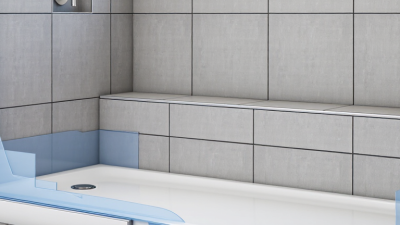
Choosing the top China liquid shower membrane supplier requires more than comparing prices. A reliable supplier should prove performance through technical documents, batch records, and practical installation guidance. The membrane must form a continuous waterproof layer around corners, drains, niches, and pipe penetrations. Small gaps can create expensive failures.
Michael Byrne, a respected tile-industry educator, has emphasized this principle: “A tile installation is only as reliable as its waterproofing.” His view remains highly relevant when evaluating liquid shower membrane manufacturers. Experienced suppliers should explain coverage rates, drying conditions, recoat intervals, and substrate preparation. They should also provide independent test results and clear warranty terms.
A strong supplier may offer factory production, export experience, and responsive engineering support. Yet these strengths need verification. Ask for recent project references, not only polished catalog images. Request samples and inspect the membrane after curing. Is it flexible? Does it bond evenly? Does it remain intact around a movement joint?
No supplier is perfect. That matters.
A supplier with the lowest quotation may create higher costs through delays, uneven batches, or unclear instructions. Conversely, a premium supplier is not automatically the best choice. The right decision depends on tested performance, quality consistency, communication, and after-sales responsibility.
This guide compares leading China-based suppliers using those practical standards. It considers product technology, manufacturing control, certifications, customization, delivery capability, and installer feedback. Some evidence may remain incomplete, so buyers should confirm current data directly. A careful comparison is better than a confident guess.
What Is a Liquid Shower Membrane?
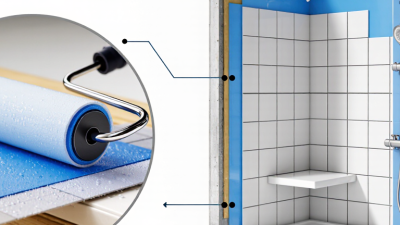
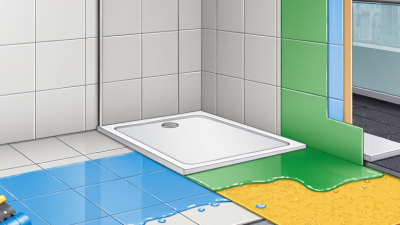
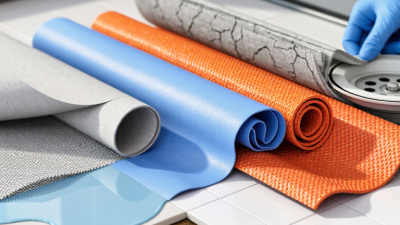
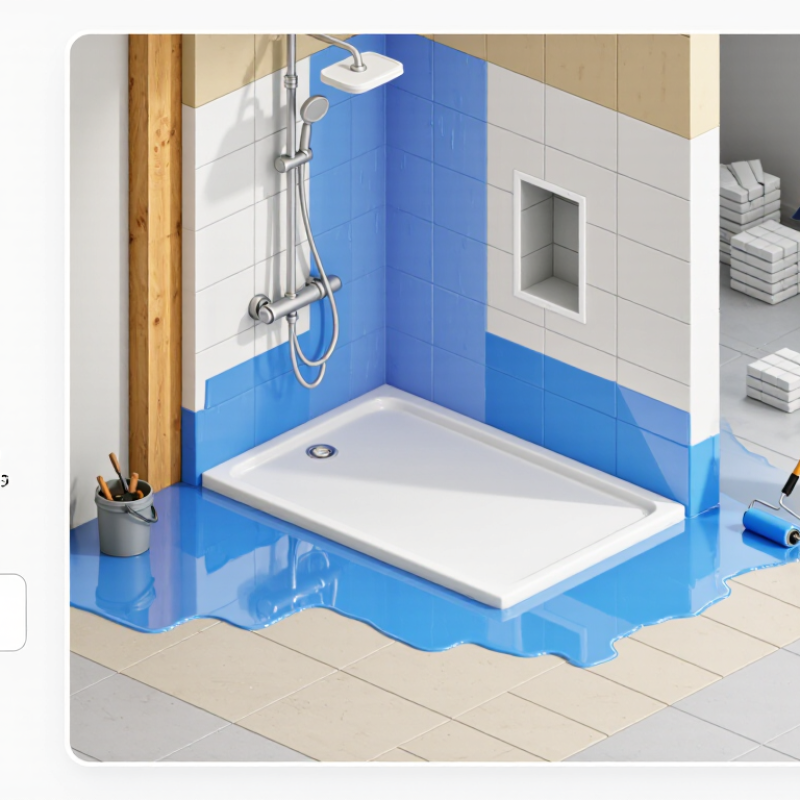
A liquid shower membrane is a brushable or rollable waterproof coating applied beneath tile. It forms a continuous, flexible barrier over cement boards, mortar beds, and approved substrates. Unlike sheet products, it can cover corners, drains, and irregular surfaces without many seams. The material is usually polymer-based, such as acrylic, polyurethane, or cement-modified resin.
The U.S. Environmental Protection Agency reports that mold may develop within 24 to 48 hours after water exposure. That risk explains why shower waterproofing needs careful detailing, not just thick application. Industry guidance also matters. ANSI A118.10 covers bonded, load-bearing waterproof membranes for tile installations, while ASTM C836 addresses high-solids, liquid-applied waterproofing materials. These standards help buyers compare performance claims more reliably.
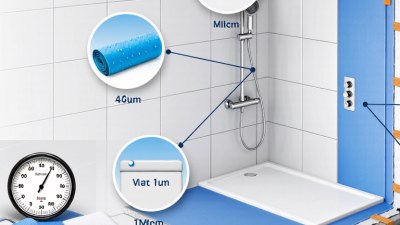
A quality supplier should provide test results, coverage rates, curing times, and substrate limitations. Field experience shows that drains and inside corners often fail first. Membrane thickness should be checked with a wet-film gauge, especially around pipe penetrations. The broader waterproofing market was valued at about 13.5 billion U.S. dollars in 2022, according to Grand View Research, with continued growth expected through 2030. That figure includes many construction uses, not only showers. This distinction matters. Marketing language can sound precise while hiding practical limits. Even an excellent membrane may fail when the surface is dusty, damp, or poorly prepared.
How China Liquid Shower Membrane Suppliers Are Classified
Who Is the Top China Liquid Shower Membrane Supplier?
China liquid shower membrane suppliers are commonly classified by their business model and technical capability. Direct manufacturers usually control raw material mixing, filling, batch testing, and packaging. Their factories may provide production records, laboratory data, and lot numbers. OEM and ODM suppliers develop private-label formulas, labels, and packaging for overseas buyers. Trading companies mainly coordinate sourcing and export services. They may offer wider product choices, but their factory access requires careful verification.
Another classification focuses on application expertise. Some suppliers produce membranes for residential bathrooms, while others serve hotels, hospitals, or large construction projects. Experienced suppliers can explain substrate preparation, primer use, drying time, crack-bridging performance, and water-resistance testing. During a factory visit, buyers should inspect mixing tanks, sealed storage areas, and sample retention procedures. A reliable supplier should also provide technical data sheets and clear application instructions.
The top supplier is not always the largest one. It may be the company that matches the project’s climate, substrate, and compliance needs. Check independent test reports, production consistency, export experience, and after-sales response. Ask for recent samples, then test adhesion and water resistance after curing. Paperwork can look impressive. Actual site performance may differ. Classification is useful, but it is not perfect; supplier claims still need practical verification.
Who Is the Top China Liquid Shower Membrane Supplier?
How China Liquid Shower Membrane Suppliers Are Classified
China liquid shower membrane suppliers are commonly classified by their waterproofing chemistry and the technical standard used for product verification. The chart shows the publication year of representative Chinese reference standards, rather than a company ranking or market-share comparison.
Key categories include polymer-cement coatings, polyurethane waterproofing materials, and polymer emulsion waterproofing coatings. Buyers should also compare compliance documentation, application method, curing conditions, film performance, packaging capability, and OEM support.
Which Product Features and Standards Matter Most?
Who Is the Top China Liquid Shower Membrane Supplier?
The strongest supplier is not defined by price alone. Product performance matters more in a wet shower corner. A reliable liquid membrane should offer stable adhesion, crack bridging, flexible elongation, and consistent coverage. It should also tolerate temperature changes and repeated moisture exposure.
Check the required standards carefully. For tile installations, ANSI A118.10 is an important reference for bonded waterproof membranes. ASTM C836 may support evaluation of cold liquid-applied elastomeric membranes. EN 14891 can also matter for certain European projects. However, a certificate alone proves little. Request current laboratory reports, product test conditions, and batch traceability. Ask whether the tested product matches the material being shipped.
Practical details reveal supplier quality. The technical sheet should state wet-film thickness, curing time, application temperature, and coverage per square meter. On site, a membrane that looks thick may still be too thin after drying. That mistake is common. I would also inspect adhesion around drains, pipe penetrations, and wall joints. These areas fail first. Low odor and low VOC content improve indoor working conditions, but they should not replace waterproofing performance. Packaging must protect the liquid from freezing, overheating, and contamination. A dependable supplier answers technical questions clearly, provides samples, and accepts reasonable production inspections. Perfect claims deserve caution. Performance depends on both formulation and installation.
How to Evaluate Supplier Quality, Capacity, and Certifications
Who Is the Top China Liquid Shower Membrane Supplier?
Choosing a China liquid shower membrane supplier requires more than comparing prices. The 2024 MarketsandMarkets waterproofing systems report forecasts a 6.9% compound annual growth rate through 2028. Rising demand makes capacity verification essential. Ask for monthly output, batch records, and lead-time data. A serious factory should show mixing tanks, sealed storage, and laboratory testing equipment. Request a recent production video, not only polished catalog photographs.
Quality begins with repeatable performance. Check test results for water resistance, adhesion, crack bridging, elongation, and drying time. Standards such as ANSI A118.10, EN 14891, and relevant ASTM methods provide useful reference points. However, certification is not automatic proof of every product’s quality. Verify the certificate number, testing laboratory, product scope, and expiry date. ISO 9001 supports process control, but it does not replace independent membrane testing.
Visit the plant if possible. Look at drums, labels, humidity control, and retained samples. Ask how rejected batches are isolated. This small detail matters. Request technical data sheets and safety documents before purchase. Compare values under identical test conditions. Some suppliers report impressive tensile strength, but omit curing temperature or film thickness. That is a warning sign. I would also order a pilot batch and apply it to a tiled shower mock-up. Real walls are uneven, dusty, and inconvenient. Laboratory results can look perfect; installation behavior may not.