
How to Choose the Right Under Tile Membrane?
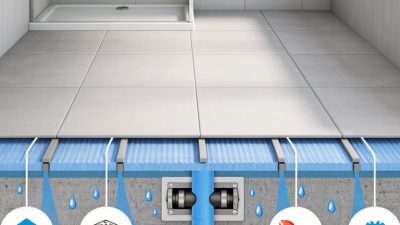
Choosing the right under tile membrane can determine whether a tiled surface remains secure, dry, and attractive for years. Moisture may travel through grout joints, shower corners, or tiny cracks around pipe penetrations. Without suitable protection, that water can reach the substrate and create expensive problems. Tile alone is not waterproof.
A reliable selection begins with the installation environment. A bathroom floor may need crack isolation and moisture control. A walk-in shower demands stronger waterproofing at corners, seams, and drains. Exterior balconies face movement, temperature changes, and repeated wetting. These conditions require different membrane properties, not simply a thicker product. Check the manufacturer’s technical data, installation limits, compatible adhesives, and required substrate preparation. Independent certifications can also provide useful evidence of performance.
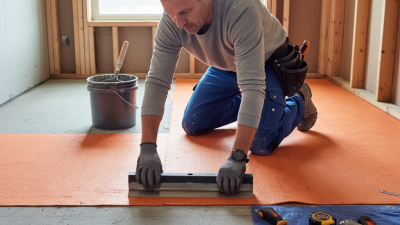
Look closely at the substrate. Is it clean, stable, and properly cured? Is the surface dusty or uneven? These details matter. In practical installations, poor preparation often causes more trouble than the membrane itself. I have seen carefully selected materials fail when installers ignored damp concrete or rushed seam treatment. That experience is easy to overlook.
This guide examines sheet and liquid-applied membranes, waterproofing ratings, crack-bridging ability, installation complexity, and long-term maintenance. It also considers project budget and installer skill. The cheapest option may not remain inexpensive after repairs. Still, product claims should be questioned and verified. No membrane can correct severe structural movement or careless workmanship. A thoughtful choice combines proven performance, site conditions, and honest assessment. That is where dependable tile protection begins.
Understanding Under-Tile Membrane Types and Their Main Functions
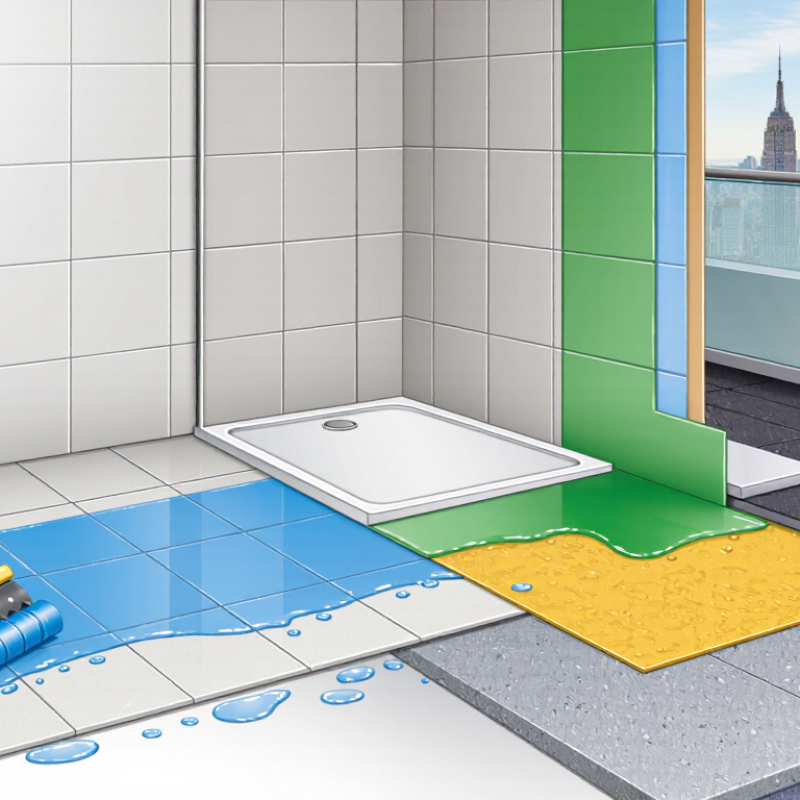
Choosing the right under-tile membrane starts with understanding its main function. A waterproofing membrane protects substrates from liquid water, especially beneath showers, wet rooms, and balconies. A sheet membrane offers consistent thickness and quick coverage. A liquid-applied membrane reaches corners and irregular surfaces more easily. However, uneven application can create weak spots. That detail is easy to miss.
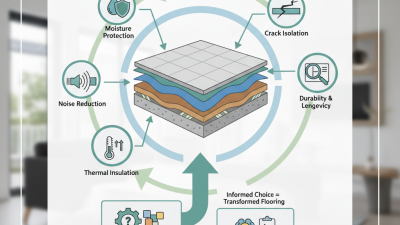
Uncoupling membranes help reduce stress between a tile assembly and the substrate. They can be useful where plywood or concrete may move slightly. Crack-isolation membranes serve a different purpose. They limit the transfer of certain substrate cracks into the tile layer. ANSI A118.10 evaluates waterproofing membranes through standardized hydrostatic-pressure testing. ANSI A118.12 addresses crack-isolation performance. These standards provide measurable benchmarks, not marketing promises.
The 2024 Tile Council of North America Handbook emphasizes substrate preparation, movement joints, and system compatibility. Those factors often determine performance more than membrane type alone. On site, installers should check the substrate moisture, slope, surface cleanliness, and cure time. A shower floor needs positive drainage, not just a waterproof layer. A membrane may pass laboratory testing yet fail after poor detailing around drains or penetrations. I have found that “more protection” is not always better. Thick layers can create height problems and complicate transitions. Product documentation, installation conditions, and local code requirements should be reviewed together before choosing the system.
How to Choose the Right Under Tile Membrane?
Understanding Under-Tile Membrane Types and Their Main Functions
The chart compares the typical primary functions of common under-tile membrane categories. A value of 1 means the function is commonly designed into that membrane type, while 0 means it is not normally the primary purpose. Actual performance depends on the specific product, installation method, substrate, and system details.
Always confirm waterproofing, crack-isolation, and uncoupling performance against the product technical data sheet and applicable tile-installation standards.
Assessing Subfloor Conditions, Moisture Risks, and Tile Installation Areas
Choosing the right under tile membrane begins with examining the subfloor, not the tile. Press loose areas and listen for hollow sounds. Concrete should be clean, sound, and free from curing compounds or dust. Wood subfloors need firm fastening, suitable stiffness, and no swollen edges. A damp meter can reveal hidden moisture. Do not guess.
Moisture risk changes with the installation area. Bathrooms, laundry rooms, entryways, and basement floors deserve careful attention. In a shower, use a membrane designed for continuous water exposure, including compatible seams and corners. On a basement slab, test for vapor movement before covering the surface. Exterior-facing rooms may also experience temperature changes and minor movement. Read the membrane’s technical data carefully. Shortcuts here can become expensive repairs.
Tile size and subfloor movement also matter. Large-format tile shows unevenness quickly, especially under strong side lighting. A flexible membrane may help manage limited in-plane movement, but it cannot correct a weak or unstable floor. I have seen beautiful tile crack because installers focused on waterproofing and ignored deflection. The surface looked ready. It was not. Before installation, repair damaged areas, respect perimeter gaps, and treat transitions around drains and doorways carefully. A small missed seam can direct water beneath the tile. Some jobs need more preparation than expected, and that is worth admitting early.
Matching Membrane Features to Tile Materials and Project Requirements
How to Choose the Right Under Tile Membrane?
Membrane selection should follow the tile, substrate, and room conditions. Porcelain tile absorbs little water, but its dense surface can expose weak bonding. Choose a membrane approved for tile installation and compatible with the intended adhesive. ANSI A118.10 covers waterproofing membranes, while ANSI A118.12 addresses crack isolation. These are useful benchmarks, not decorative labels.
Large-format tile needs a flatter substrate and stronger movement control. A 600-by-1200-millimeter porcelain panel can reveal small surface unevenness under side lighting. For natural stone, check staining resistance and vapor behavior before installation. Some stones react badly to trapped moisture. In wet rooms, use a continuous waterproofing system around corners, drains, and pipe penetrations. Small gaps matter.
Project scale also changes the decision. Grand View Research valued the global ceramic tile market at about 227.8 billion dollars in 2023, with projected growth through 2030. More tile work means more varied substrates and installation risks. A balcony needs freeze-thaw resistance and drainage planning. A bathroom needs reliable waterproofing. A wood-framed floor may need movement accommodation. I once focused too much on membrane thickness and overlooked the drain connection. That was a poor assumption. Field checks, manufacturer-independent test standards, and mock-up trials often reveal problems before hundreds of tiles cover the surface.