
Top 10 Shower Membrane Manufacturers for Global Buyers

Choosing the right shower membrane manufacturer can determine whether a bathroom remains dry after years of daily use. It can also decide how quickly contractors complete each installation. Global buyers must examine more than product claims. They should review waterproofing performance, material consistency, technical documentation, factory testing, and after-sales support.

John Bridge, a respected tile-industry educator, has stated, “The waterproofing is the most important part of a tile shower.” His point remains practical. A membrane hidden behind tile must resist water movement around corners, drains, seams, and pipe penetrations. Small installation weaknesses may create staining, odors, mold growth, or expensive substrate repairs.

This guide presents ten shower membrane manufacturers serving international markets. The selection considers product design, manufacturing experience, certifications, installer guidance, distribution capability, and reputation among professional users. Some manufacturers focus on sheet membranes. Others specialize in liquid-applied systems or complete shower assemblies.

Details matter.

A buyer may compare roll thickness, crack-bridging capacity, curing time, drain compatibility, and temperature limits. Regional building standards also influence the final decision. A product trusted in one market may require different documentation elsewhere.

No ranking can remove every uncertainty. Product quality does not replace correct preparation, slope, sealing, and inspection. That limitation deserves attention. Even a premium shower membrane can fail when installers rush corners or ignore manufacturer instructions.

The following manufacturers offer credible options for contractors, distributors, developers, and private-label buyers. Their strengths are not identical. Careful evaluation remains essential.
Top 10 Shower Membrane Manufacturers for Global Buyers

What Shower Membranes Are and Why They Matter

What Shower Membranes Are and Why They Matter

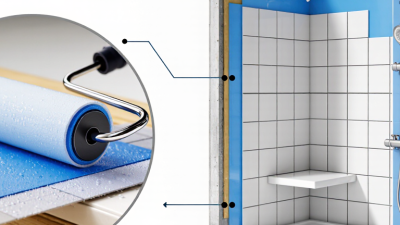
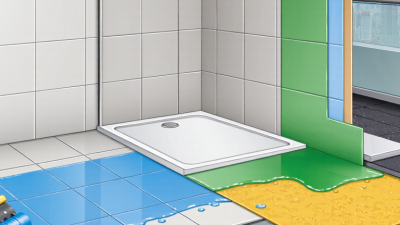
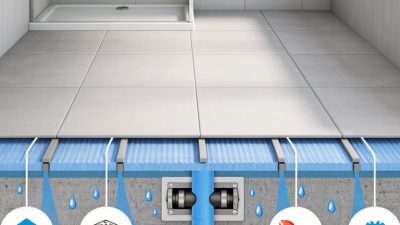
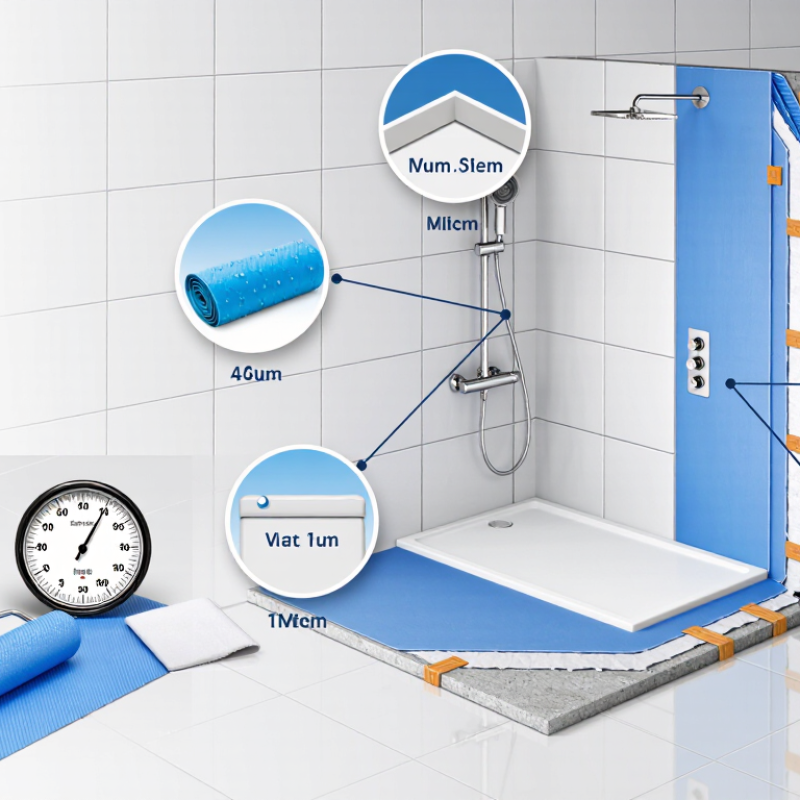
A shower membrane is a continuous waterproof layer behind tile, stone, or wall panels. It protects the substrate from water entering through joints, corners, and fastener points. Common systems include sheet membranes, liquid-applied coatings, and bonded panels. Each requires different preparation, curing time, and installation control.

The Tile Council of North America identifies waterproofing as essential in wet areas, especially around shower floors, niches, and penetrations. ANSI A118.10 also defines performance requirements for load-bearing, bonded waterproof membranes.

These standards matter because grout is not a waterproof barrier. Small cracks can guide water into timber, gypsum board, or concrete.

Market evidence supports this concern. Grand View Research estimated the global waterproofing market at approximately USD 11 billion in 2023, with continued growth through 2030. This expansion reflects stricter building practices, renovation demand, and greater awareness of moisture damage. Yet market growth does not guarantee good installation. The substrate must be clean, stable, and properly sloped toward the drain. Corners need reinforcement. Seams need full contact.

Details decide performance.

A membrane can fail beside a drain, not across its main surface. I have found that many installation problems begin with rushed detailing rather than poor membrane chemistry. Buyers should compare test standards, thickness, elongation, compatibility, technical support, and local approval requirements. Price alone is a weak guide. No membrane is magic. Product selection still needs trained workmanship and site-specific judgment.

Key Types of Shower Membranes Used in Global Construction

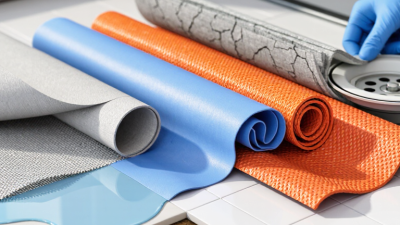
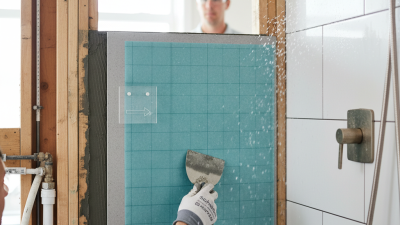
Shower membranes protect wall and floor assemblies from water migration behind tile. In global construction, sheet membranes remain a widely used option. They arrive in rolls and provide consistent thickness across large surfaces. Installers press them into compatible mortar, then seal overlaps, corners, and pipe penetrations carefully. Small gaps can become expensive failures.

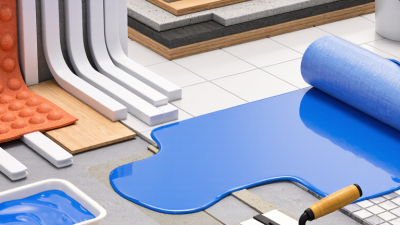
Liquid-applied membranes suit irregular rooms, curved benches, and detailed transitions. A roller or brush spreads the coating across cement boards and floors. The installer must respect coverage rates and drying times. Too thin is risky. Too thick may crack or dry unevenly. Bonded waterproofing and drainage membranes combine surface protection with controlled water flow. These systems often include preformed corners, linear drains, and sloped floor components. They can reduce buildup under tile, especially in compact bathrooms.

Vapor-retarding membranes are useful where humidity and temperature differences create condensation concerns. Their placement depends on climate, wall design, and local building requirements. Experienced teams check substrate moisture, fastener heads, movement joints, and drain connections before tiling. I have seen excellent materials fail because installers rushed these details. No membrane is foolproof. On one project, a missed corner seal caused staining months later, despite careful tile work. Product compatibility also deserves attention; primers, adhesives, sealants, and boards should work as one tested assembly. Manufacturers’ technical data matters, but site judgment still matters more.

How to Evaluate Shower Membrane Manufacturers

When comparing the top 10 shower membrane manufacturers, evaluate evidence rather than attractive product pages. Check whether the manufacturer publishes technical data, installation limits, and independent test results. Reliable suppliers explain water resistance, tensile strength, flexibility, and compatibility with tile adhesives. Vague claims deserve caution.

Request physical samples before placing a large order. Bend a membrane around a corner, inspect its reinforcement, and check whether the surface remains stable. Ask for batch numbers, production dates, and quality-control records. A dependable manufacturer should also provide clear packaging details and traceable documentation. Small details matter.

Factory capability deserves a closer look. Review production equipment, inspection procedures, staff training, and capacity during peak seasons. Ask how defects are handled and how complaints are recorded. Fast replies are useful, but technical answers matter more. A low price can hide inconsistent thickness or weak support.

Do not judge on paperwork alone. Installation feedback from contractors can reveal peeling, difficult joints, or confusing instructions. A manufacturer may pass laboratory tests yet perform poorly on a demanding jobsite. This is easy to overlook. Compare warranty language carefully, especially exclusions, storage requirements, and preparation rules. I would also test a small installation area before approving a full project. It takes extra time, but it can expose problems before tiles cover the membrane.

Top 10 Shower Membrane Manufacturers for Global Buyers - How to Evaluate Shower Membrane Manufacturers

Rank Anonymous Manufacturer Profile Primary Membrane Type Typical Thickness Typical Roll Width Relevant Performance Standard Key Verification Point
1 Profile A — Waterproof Sheet Specialist Polyethylene or polypropylene sheet with fleece backing 0.4–0.6 mm 1.0–1.5 m ANSI A118.10; EN 14891 where applicable Confirm watertightness, seam strength, fleece adhesion, and batch traceability.
2 Profile B — Liquid-Applied Membrane Producer Polymer-modified liquid waterproofing coating 1.0–2.0 mm cured film N/A ANSI A118.10; ASTM C836 for relevant liquid-applied systems Check wet-film thickness, drying time, crack-bridging ability, and coverage per pail.
3 Profile C — Cementitious Waterproofing Specialist One- or two-component cementitious coating 1.5–3.0 mm cured film N/A EN 14891; product-specific cementitious coating requirements Verify mixing ratio, pot life, substrate moisture tolerance, and curing conditions.
4 Profile D — Reinforced Sheet Manufacturer Reinforced polymer sheet with scrim or grid layer 0.6–1.2 mm 1.0–2.0 m ANSI A118.10; ASTM D882 for tensile testing Request tensile strength, elongation, puncture resistance, and dimensional stability data.
5 Profile E — Self-Adhesive Membrane Supplier Self-adhering polymer-modified sheet 0.8–1.5 mm 0.9–1.2 m Product-specific peel and adhesion testing; ANSI A118.10 where certified Evaluate peel adhesion, release-liner quality, storage temperature, and substrate compatibility.
6 Profile F — High-Flexibility Membrane Producer Flexible polymer sheet or liquid-applied coating 0.5–1.5 mm 1.0–1.5 m or N/A EN 14891; crack-bridging classification should be verified Compare low-temperature flexibility, crack bridging, elongation, and movement-joint performance.
7 Profile G — Prefabricated Shower System Supplier Sheet membrane with corners, seals, and drain accessories 0.4–1.0 mm 0.9–1.5 m ANSI A118.10; drain and flange compatibility testing Assess system completeness, corner detail quality, drain integration, and installation instructions.
8 Profile H — Large-Format Commercial Supplier Heavy-duty sheet or liquid waterproofing system 0.8–2.0 mm 1.0–2.0 m or N/A ANSI A118.10; ASTM D4068 for applicable elastomeric systems Verify project references, pallet configuration, technical support, and quality-control records.
9 Profile I — Private-Label Export Manufacturer Sheet or liquid membrane manufactured to buyer specification Specification-dependent Specification-dependent Required market standard and independent laboratory testing Confirm ownership of test reports, minimum order quantity, labeling compliance, and change-control procedures.
10 Profile J — Sustainable Material Developer Polymer membrane with recycled-content or lower-impact formulation 0.4–1.5 mm 0.9–1.5 m ANSI A118.10 or EN 14891, depending on market Validate recycled-content claims, waterproofing performance, environmental documentation, and end-of-life guidance.
Buyer evaluation note: Thickness, width, coverage, and performance depend on the specific product formulation and installation system. Request current technical data sheets, certificates, laboratory reports, safety documentation, and samples before making a purchasing decision.

Top 10 Shower Membrane Manufacturers for Global Buyers

Global buyers comparing the top 10 shower membrane manufacturers should look beyond price and catalog claims. A dependable manufacturer provides clear technical data, stable production, and practical installation guidance. Important details include membrane thickness, tensile strength, water resistance, temperature range, and compatibility with tile adhesives.

Factory experience matters. Ask for batch records, quality inspection procedures, and samples from current production. A useful sample should show clean edges, even coating, and consistent flexibility. Certifications can support trust, but buyers should verify their scope and validity. No factory is perfect. Even a strong supplier may have uneven communication or occasional delivery delays.

Tips: Request a small trial order before signing a large contract. Test the membrane on corners, drains, and wall joints. Check how easily it folds without cracking. Also confirm packaging strength, pallet protection, lead time, replacement terms, and technical support in your market. A supplier that answers clearly is usually easier to manage. Still, do not rely on friendly communication alone. I have seen attractive samples hide inconsistent production. Independent inspection may feel costly, but one failed installation can cost much more. Consider moisture conditions, local construction habits, and installer skill before choosing among the top 10 manufacturers.

Top 10 Shower Membrane Manufacturers for Global Buyers

The chart presents non-brand reference criteria commonly used by international buyers when evaluating shower membrane manufacturers. Scores represent relative procurement importance on a 100-point scale.

Waterproofing performance, standards compliance, durability, and installation reliability typically receive the highest priority in global sourcing decisions. Actual product performance should always be verified through technical datasheets, certifications, and independent testing.

Global Sourcing, Compliance, and Quality Considerations

Global buyers should evaluate shower membrane manufacturers beyond price and catalog size.

Grand View Research estimated the global waterproofing systems market at approximately USD 12.7 billion in 2023, with continued growth through 2030. That expansion increases supplier choice, but it also increases verification risk.

Request technical data sheets, batch records, factory quality procedures, and independent test results. Confirm compliance with relevant standards, such as EN 14891 or applicable ASTM methods. Ask whether testing covers water pressure, crack bridging, adhesion, and aging. A polished certificate is not enough.

Installation evidence matters.

Inspect sample rolls, seams, corners, and drain connections before approval. Membranes may pass laboratory tests yet fail through weak detailing or inconsistent thickness. Global buyers should check production tolerances, packaging durability, multilingual instructions, and replacement policies. Audit whether the factory controls raw-material changes. This detail is often missed.

For sustainability reviews, the UNEP 2023 Global Status Report for Buildings and Construction reported that buildings accounted for 37% of global energy-related emissions and 34% of energy demand. Therefore, buyers should request recycled-content data, environmental declarations, and transport-impact information.

These documents may be incomplete. That is a reason to investigate, not automatically reject the supplier.

A practical scorecard can combine compliance, site performance, lead time, documentation quality, and corrective-action speed. Price should remain visible, but not dominant.

Resources

Copyright © CUSTOM Building Products 2025
Products | Resources | Interactive Tools | Warranties | Privacy Policy | Terms of Use | Technical Training