
What Are the Top Types of Tile Membrane?

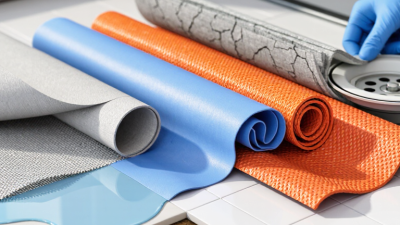
Choosing the right tile membrane can determine whether a tiled surface stays durable or develops cracks, leaks, and loose tiles. This guide examines the top types of tile membrane and explains where each system performs best. The main categories include sheet membranes, liquid-applied membranes, uncoupling membranes, crack-isolation membranes, and waterproofing systems.

Each type addresses a different risk. Sheet membranes provide consistent thickness and fast coverage. Liquid membranes can reach corners, drains, and irregular surfaces with fewer seams. Uncoupling membranes help separate tile movement from unstable substrates. Crack-isolation products offer protection where small substrate cracks may transfer into the tile layer. Some membranes perform several roles, but they are not automatically interchangeable.

Small details matter.

David M. Gobis, a respected tile industry educator and former executive director of the Ceramic Tile Education Foundation, has emphasized, “There is no substitute for a properly prepared substrate.” That principle remains practical on real projects. A dusty concrete floor, damp plywood, or poorly bonded mortar can undermine even a premium tile membrane. Manufacturer instructions, local building requirements, substrate movement, moisture exposure, and tile format should guide the selection.

The “best” membrane is not always the thickest or most expensive option. That assumption deserves reconsideration. A bathroom floor, exterior balcony, shower wall, and commercial kitchen may require very different protection. Careful surface preparation and compatible installation materials often matter as much as the membrane itself. This overview will compare the leading tile membrane types, their strengths, their limitations, and the situations where each one makes practical sense.
What Are the Top Types of Tile Membrane?

Tile Membrane Basics and Its Role in Tile Installations

Tile membrane is a prepared layer between the tile assembly and its supporting surface. It helps manage movement, moisture, and minor substrate defects. During installations, I have seen small cracks appear through grout when no movement control existed. A membrane cannot correct a weak floor. That distinction matters.

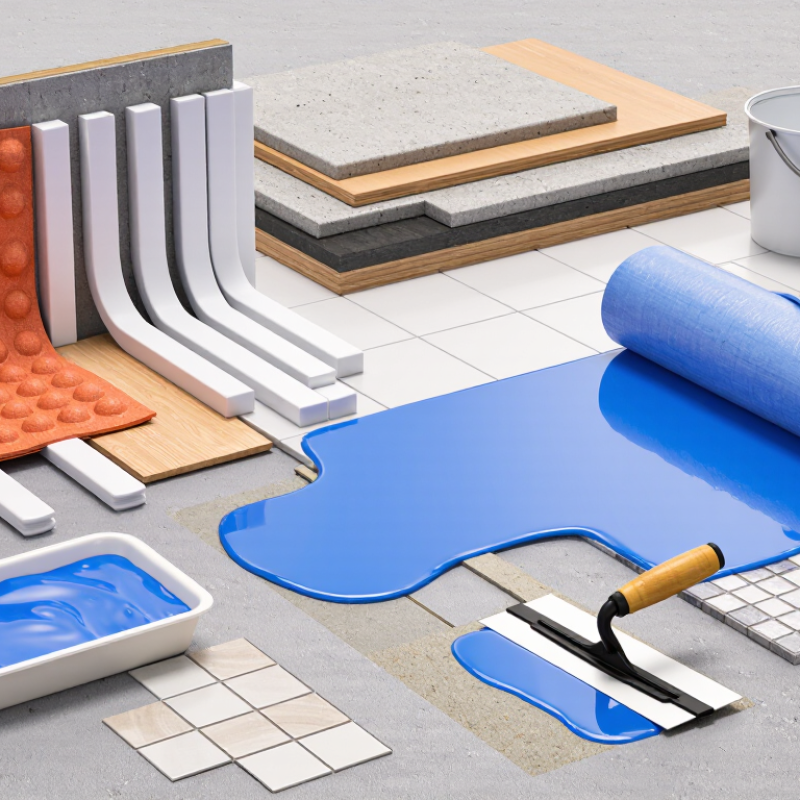
The main types include uncoupling, waterproofing, crack-isolation, and drainage membranes. Sheet membranes provide consistent thickness and cover broad areas efficiently. Liquid-applied membranes work well around corners and unusual shapes, but they need correct coverage and drying time. Waterproofing membranes protect showers and other wet areas. Uncoupling membranes reduce stress between tiles and limited movement below. Crack-isolation membranes may bridge small, stable cracks within tested limits. Those limits deserve attention.

Good installation starts with a clean, sound, and properly prepared substrate. Dust, grease, and loose patches can weaken adhesion. I measure the area, inspect joints, and follow the stated coverage and curing requirements. Corners, seams, drains, and pipe openings need especially careful detailing. Rushing is tempting. It often creates hidden problems. A common mistake is treating every membrane as interchangeable. They are not. Some control vapor, while others mainly reduce stress or stop water. I still recheck moisture conditions and movement joints before setting tile, because real floors rarely behave perfectly.
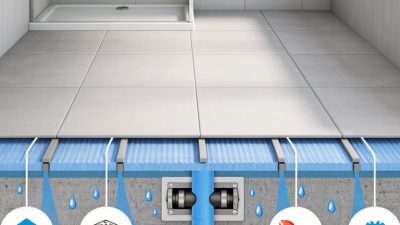
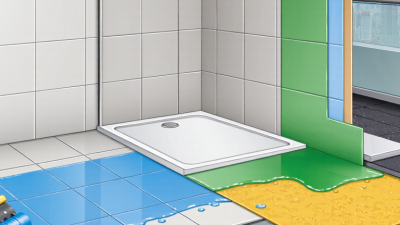
Top Types of Tile Membranes and Their Key Features

What Are the Top Types of Tile Membrane?

Sheet-applied waterproofing membranes offer consistent thickness and fast coverage. They suit showers, balconies, and other wet areas. Liquid-applied membranes reach corners and irregular surfaces easily. Their performance depends heavily on application thickness, curing time, and substrate preparation. A thin spot can become a serious weakness.

Uncoupling membranes separate tile from minor substrate movement. They often include drainage channels or textured surfaces for mortar bonding. Crack-isolation membranes help reduce stress transfer from small, non-structural cracks. Vapor-retarding membranes are useful where moisture may migrate through concrete slabs. Each type solves a different problem. No single membrane fits every installation.

Grand View Research’s 2024 waterproofing membranes outlook forecasts roughly 5–6% annual market growth through 2030, reflecting wider demand for moisture protection. The TCNA Handbook 2024 also emphasizes system compatibility, movement joints, and proper substrate conditions. Those details matter more than membrane appearance. In practice, I have seen attractive installations fail because installers skipped moisture testing or ignored corner reinforcement. That remains an uncomfortable lesson. A membrane may be technically certified, yet poorly placed seams can still invite water damage. Check the data sheet, measure coverage, and inspect every transition before setting tile.

How Waterproofing and Crack Isolation Membranes Work

What Are the Top Types of Tile Membrane?

How Waterproofing and Crack Isolation Membranes Work

Waterproofing membranes protect tile assemblies from moisture. They are common in showers, bathrooms, balconies, and laundry areas. Some are liquid-applied, while others come as sheet systems. Liquid membranes form a continuous coating around corners and drains. Sheet membranes provide consistent thickness when installed carefully.

In field inspections, I often see failures near pipe openings and wall joints. The membrane itself was not always the problem. Poor detailing caused many leaks.

Crack isolation membranes serve a different purpose. They help reduce stress transferred from minor substrate cracks into tile and grout. Movement can come from drying concrete, temperature changes, or slight structural shifts.

These membranes do not repair unstable surfaces. They also cannot bridge every crack. I once underestimated a hairline crack during a renovation. It later opened near a doorway. That mistake reinforced one point: inspect the substrate before choosing any membrane.

Tips: Clean dust, paint, and grease from the surface. Check moisture conditions before installation. Reinforce corners, seams, and penetrations with compatible materials. Keep the membrane thickness consistent. Allow proper curing time. Do not rush tile placement. Follow local building requirements and the membrane manufacturer’s written instructions. A simple water test may reveal weak details, but it cannot replace professional inspection. Small details matter.

Choosing a Tile Membrane for Different Installation Conditions

What Are the Top Types of Tile Membrane?

Choosing a tile membrane starts with the installation condition, not the product label. The 2024 U.S. Houzz Bathroom Trends Study reported shower upgrades in 78% of renovated bathrooms. That demand makes moisture control especially important. For showers, a sheet membrane offers consistent thickness and fast coverage. It suits walls, niches, benches, and floors when seams are sealed correctly. ANSI A118.10 defines requirements for load-bearing, bonded waterproof membranes. Still, poor corner detailing can defeat an excellent material.

Liquid-applied membranes work well around irregular shapes, drains, and curved surfaces. They need careful coverage and drying time. A wet-film thickness gauge helps prevent thin spots. Uncoupling membranes suit tile over wood subfloors or substrates exposed to limited movement. Crack-isolation membranes are better where minor substrate cracks may transfer upward. The TCNA Handbook stresses substrate preparation, movement accommodation, and drainage as key installation controls. Membranes do not correct unstable framing.

For balconies or exterior floors, choose a system rated for temperature changes, drainage, and ultraviolet exposure. For concrete with residual moisture, verify the membrane’s vapor and moisture limits. ASTM test results can guide selection, but laboratory performance is not job-site performance. I have seen installers trust coverage estimates too much. That judgment can fail. Dust, cold temperatures, and rushed curing often create hidden weaknesses. A practical decision should match the membrane type, substrate movement, water exposure, and installer’s ability to follow the tested system.

What Are the Top Types of Tile Membrane? - Choosing a Tile Membrane for Different Installation Conditions
Tile Membrane Type Typical Material Best Installation Conditions Primary Function Waterproofing Performance Crack-Isolation Capability Main Advantages Important Limitations Installation Considerations
Sheet Waterproofing Membrane Flexible sheet made from polyethylene, polypropylene, rubber, or modified bitumen Showers, bathrooms, wet rooms, balconies, and other areas requiring continuous waterproofing Prevents liquid water from reaching the substrate and helps manage water vapor, depending on the product Excellent Good to excellent Consistent thickness, rapid coverage, and reliable protection when seams and penetrations are sealed correctly Requires careful treatment of overlaps, corners, drains, pipes, and changes in plane Install over a clean, sound substrate; press out air pockets; use compatible sealants and accessories at all joints
Liquid-Applied Waterproofing Membrane Polymer-modified cement, acrylic, polyurethane, or other elastomeric liquid coating Irregular surfaces, confined areas, curved transitions, and installations with many penetrations Forms a continuous waterproof coating after curing Excellent when applied at the specified thickness Fair to good, depending on formulation and thickness Seamless coverage, easy detailing around complex shapes, and minimal cutting or waste Performance can decrease if the coating is applied too thinly, over-diluted, or covered before curing Apply the required number of coats in opposing directions; observe coverage rates, drying times, and temperature limits
Crack-Isolation Membrane Flexible sheet or liquid elastomeric polymer designed to accommodate limited substrate movement Concrete slabs with minor non-structural cracks or locations subject to limited shrinkage movement Reduces transmission of certain in-plane cracks from the substrate to the tile layer Often limited or product-dependent Good Helps reduce tile and grout cracking caused by small, horizontal substrate movements Does not repair structural cracks or compensate for major movement, settlement, or unstable substrates Repair structural defects first; follow the membrane’s rated crack-bridging width and movement limitations
Uncoupling Membrane Polyethylene or polypropylene sheet with a formed or fleece-backed structure Interior floors over concrete, plywood, or other approved substrates where stress relief is needed Separates the tile assembly from some in-plane substrate movement and helps distribute stress Product-dependent Good for in-plane movement Can reduce stress transfer, support tile installation over some approved substrates, and provide defined drainage or vapor-management functions in specific designs Not every uncoupling membrane is a waterproofing membrane; seams and perimeter details may require separate treatment Use the specified mortar, embed the membrane fully, and follow requirements for movement joints and perimeter gaps
Cementitious Waterproofing Membrane Hydraulic cement blended with polymers and other mineral additives Masonry, concrete, showers, foundations, and damp mineral substrates Creates a mineral-based waterproof barrier that bonds well to concrete and masonry Good to excellent Limited to fair Compatible with many cement-based tile systems, suitable for damp mineral surfaces, and generally non-flammable Usually less flexible than elastomeric membranes and may not accommodate significant movement or active cracking Mix accurately, prepare the substrate properly, apply the specified thickness, and protect the coating during curing
Vapor-Retarding Membrane Low-permeability sheet or coating, including certain polyethylene, rubber, epoxy, or polymer systems Cold or humid environments where vapor migration could cause condensation or moisture-related problems Limits water-vapor transmission through the tile assembly Varies by product Usually limited unless combined with crack-isolation properties Helps control vapor movement and can protect moisture-sensitive assemblies when correctly specified Reducing vapor transmission on both sides of an assembly can trap moisture; vapor performance must match the building design Check the membrane’s permeance rating, substrate moisture conditions, ventilation, and location within the assembly
Sound-Control Membrane Resilient rubber, recycled rubber, cork, foam, or polymer composite layer Multifamily housing, hotels, offices, and other interior floors where impact or airborne sound reduction is required Reduces sound transmission through the floor assembly when installed as part of a tested system Usually not waterproof Usually limited Improves acoustic comfort and may provide minor stress relief depending on construction Acoustic performance depends on the complete floor-ceiling assembly and may require strict installation details Use the tested mortar, tile, underlayment, perimeter isolation, and joint configuration specified for the assembly
Drainage or Pedestal-System Membrane Profiled plastic sheet, drainage mat, or composite sheet with channels or support points Exterior terraces, balconies, roof decks, and areas where controlled drainage below the tile is needed Provides a drainage path and may help protect the tile assembly from prolonged moisture exposure Product-dependent Product-dependent Helps direct water toward drains and can support ventilated or elevated exterior tile systems Requires correct slope, drainage outlets, edge detailing, and compatibility with the support system Verify structural capacity, drainage continuity, freeze-thaw suitability, tile support, and movement-joint requirements

Tile Membrane Installation Methods and Common Considerations

What Are the Top Types of Tile Membrane?

Tile membranes protect tiled surfaces from water, cracking, and slight movement. The main types are sheet membranes, liquid-applied membranes, cementitious coatings, and uncoupling membranes. Each responds differently to moisture and substrate movement. Sheet products offer consistent thickness, while liquid coatings fit awkward corners. Uncoupling membranes help reduce stress from minor floor movement. They are not magic.

Installation begins with a clean, stable substrate. Remove dust, grease, loose mortar, and sharp ridges. Check the surface with a straightedge; high spots can telegraph through the tile. Repair cracks according to the membrane manufacturer’s instructions. For sheet membranes, spread the correct mortar evenly and press out air pockets. Overlap or seal joints as specified. Liquid membranes need measured coats, full coverage, and proper drying time. Thin application is a common mistake. At walls, corners, drains, and pipe penetrations, use compatible reinforcement or seals. Do not rush these points.

Before tiling, confirm that the membrane is bonded and undamaged. A flood test may suit wet rooms, but local requirements and system instructions control the method. Keep movement joints through the tile assembly where the building design requires them. Temperature, humidity, and porous substrates can change curing time. I have seen attractive installations fail because installers ignored a small gap beside a drain. This is easy to underestimate. Follow current technical guidance, record the product batch, and inspect every seam before covering it. Some layouts still need a second review.

Resources

Copyright © CUSTOM Building Products 2025
Products | Resources | Interactive Tools | Warranties | Privacy Policy | Terms of Use | Technical Training