What Are the Benefits of Using Tile Membrane in Construction?
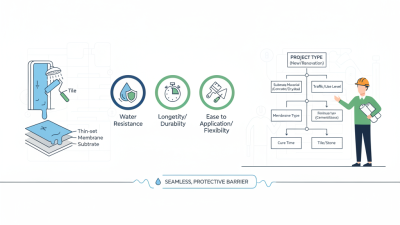
The construction industry increasingly recognizes the value of tile membrane. According to a recent report by the American Institute of Architects, around 70% of architects approve the use of tile membrane for water resistance and durability. These membranes serve as protective barriers, preventing moisture infiltration that can lead to costly repairs.
Tile membranes are lightweight and easy to install, making them ideal for various applications. Some manufacturers report reduced installation time by as much as 30%. This efficiency can significantly lower labor costs and enhance project timelines. However, while tile membrane offers numerous advantages, its effectiveness relies heavily on proper installation techniques. Incorrect application could undermine its benefits, leading to potential water damage.
The benefits of tile membrane extend beyond moisture protection. They also enhance the aesthetics of tiled surfaces, offering a range of design possibilities. As sustainability becomes paramount, using tile membrane can align with eco-friendly practices. Some products are made from recycled materials, contributing to lower environmental impact. In an industry constantly evolving, the integration of tile membrane remains a significant consideration for builders and designers alike.
Benefits of Tile Membrane in Construction: An Overview
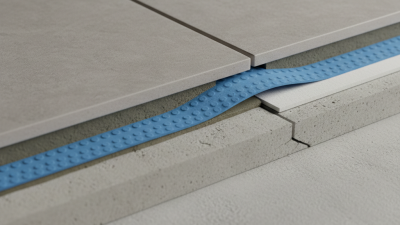
Tile membranes offer numerous benefits in construction, particularly for flooring systems. These membranes are designed to provide a waterproof barrier, preventing moisture damage. This can significantly extend the life of tile installations. A properly installed tile membrane keeps water from seeping into underlying structures, which is essential for maintaining the integrity of buildings.
In addition to waterproofing, tile membranes enhance sound insulation. This is particularly beneficial in multi-story buildings where noise can be a significant concern. By dampening sound transmission, they improve living conditions for residents. However, some may overlook the installation process. If not applied correctly, the membrane may fail to perform as expected, leading to issues later. It's crucial to address these potential shortcomings during installation to ensure effectiveness.
The installation of tile membranes also contributes to energy efficiency. They help maintain consistent temperatures, reducing heating and cooling costs. Yet, achieving optimal performance requires careful selection and installation. Understanding local climate conditions can impact the overall effectiveness of the membrane. Each project presents unique challenges that should be considered.
Enhanced Waterproofing Properties of Tile Membrane Systems
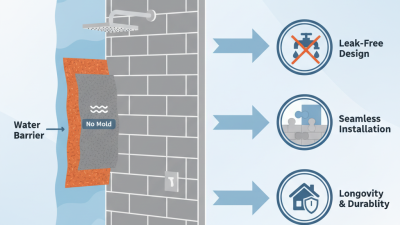
Tile membrane systems have gained recognition for their enhanced waterproofing properties. These systems act as a barrier against moisture intrusion. This is particularly important in areas prone to water exposure, such as bathrooms or kitchens. A well-installed membrane helps prevent mold growth and structural damage. Regular maintenance, however, is essential to ensure effectiveness.
Incorporating tile membranes into construction can lead to long-term savings. The prevention of water damage reduces repair costs significantly. While these membranes are effective, improper installation can lead to issues. It is vital to follow best practices during application. Attention to detail is crucial, as small gaps can undermine the system’s integrity.
Homeowners and builders must weigh the upfront investment against potential future costs. Choosing the right membrane and understanding its limitations is vital. Continuous education in construction trends and advancements helps optimize installation techniques. This awareness allows for better decision-making and project outcomes, ensuring a durable, waterproof solution.
Impact of Tile Membrane on Ceiling and Structural Integrity
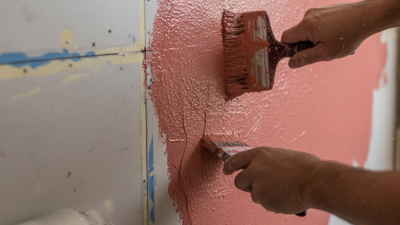
Tile membranes play a crucial role in construction, particularly regarding ceiling and structural integrity. Proper installation of tile membranes can prevent water infiltration, which could otherwise damage ceilings and weaken structures. When applied correctly, these membranes act as a barrier, safeguarding against leaks. This not only maintains the aesthetic appeal but also ensures longevity in the building's design.
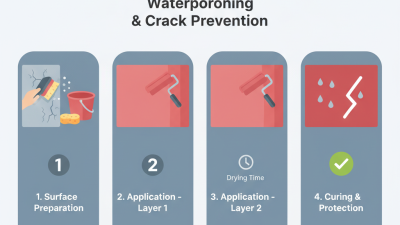
Tips: Always ensure the surface is clean before application. A well-prepped substrate is vital for adhesion. Even the slightest imperfections in the surface can lead to future issues.
Another benefit of tile membranes is their ability to distribute stresses evenly across surfaces. This is especially important in areas where there may be fluctuations in temperature and humidity. Uneven stress can lead to cracks or even collapse over time. It's essential to select the right membrane for your specific environment and structural needs.
Tips: Regularly inspect the condition of the membrane. Look for signs of wear, such as bubbling or fading. Early detection can prevent severe damage later. Consider consulting a professional if you're uncertain about the membrane's condition.
Cost-Effectiveness of Tile Membrane in Long-Term Construction Projects
The cost-effectiveness of using tile membranes in long-term construction projects is increasingly recognized. Data from the National Tile Foundation indicates that tile membranes can reduce installation and maintenance costs by nearly 20% over ten years. This benefits contractors and owners alike. By preventing water damage, these membranes extend the lifespan of flooring and reduce the need for costly repairs.
Tip: When planning a project, assess the long-term value of tile membranes compared to traditional methods. While initial costs might be higher, the savings on maintenance and repairs are significant. A study by the Construction Industry Research Board suggests a potential increase in property value of up to 15% when utilizing quality tile membranes.
It's important to reflect on possible challenges. For instance, some installers may lack the experience to work with tile membranes effectively. Misapplication can lead to failures, resulting in increased expenses. This highlights the need for skilled labor and appropriate training. Investing in expert installation is crucial for maximizing the long-term benefits of tile membrane systems.
What Are the Benefits of Using Tile Membrane in Construction? - Cost-Effectiveness of Tile Membrane in Long-Term Construction Projects
| Benefit |
Description |
Estimated Cost Savings (%) |
Long-Term Impact (Years) |
| Waterproofing |
Prevents water damage and enhances durability of structures. |
20-30% |
20+ |
| Thermal Insulation |
Improves energy efficiency by regulating indoor temperatures. |
15-25% |
15+ |
| Ease of Installation |
Simplifies the installation process, reducing labor costs. |
10-20% |
10+ |
| Maintenance Reduction |
Reduces the need for repairs and ongoing maintenance. |
25-40% |
20+ |
| Aesthetic Versatility |
Offers a wide range of designs and finishes to suit various styles. |
N/A |
N/A |
Sustainability and Environmental Benefits of Using Tile Membrane
Tile membranes offer several sustainability and environmental benefits in construction. They provide excellent moisture control, reducing water damage and mold growth. This feature helps maintain a healthier indoor environment, which is crucial for both well-being and energy efficiency. An effective tile membrane can last for decades, minimizing the need for replacements and conserving resources over time.
When selecting tile membranes, consider their material composition. Some options are made from recycled materials, enhancing their eco-friendliness. This choice not only reduces waste but also supports the circular economy. Additionally, ensure the installation process is efficient to minimize environmental impact. Poor installation can lead to leaks and premature failure, negating the initial benefits.
Tips: Always consult with professionals for installation. Proper techniques ensure longevity. Regular maintenance is essential, too. Check for any signs of wear or damage periodically to uphold the membrane's performance. Balancing cost, durability, and environmental impact can be challenging, but striving for a sustainable approach can lead to more responsible construction practices.
Benefits of Using Tile Membrane in Construction