Why Choose Tile Membrane for Your Next Project?
Choosing the right materials for your next project is crucial. When it comes to flooring and waterproofing, tile membrane stands out. This innovative solution offers unparalleled durability and reliability.
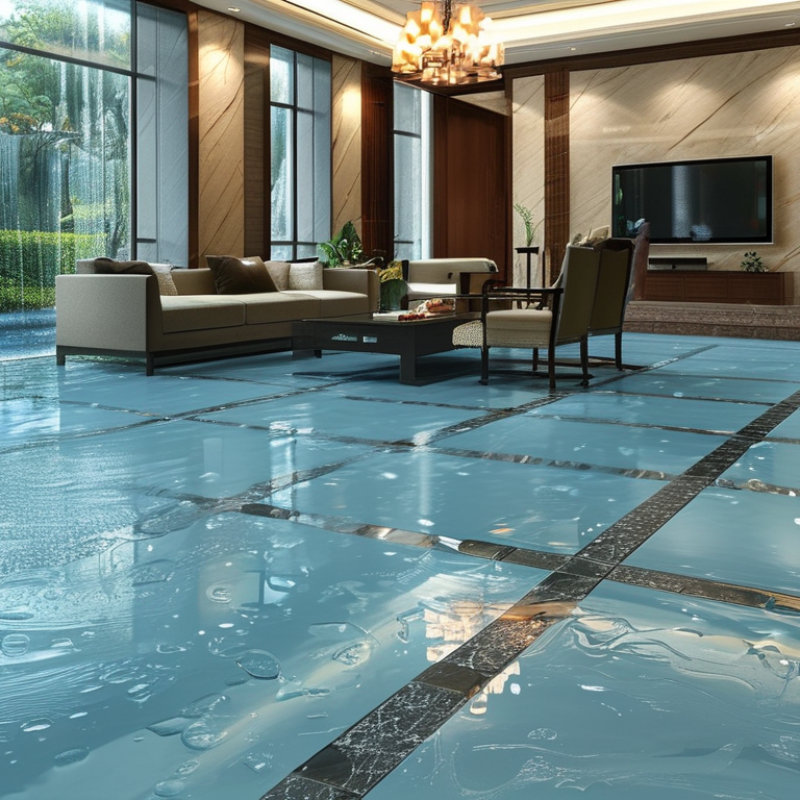
Tile membrane provides an effective barrier against moisture. It prevents water damage, which can lead to costly repairs. Many professionals trust tile membrane for its proven track record. Its versatility allows it to fit various design needs and project specifics.
Incorporating tile membrane into your project might seem complicated. However, understanding its benefits helps streamline the installation process. The investment in quality materials like tile membrane pays off in the long run. Consider the long-term protection it offers. Making this choice reflects a commitment to quality and expertise.
Benefits of Using Tile Membrane in Construction Projects
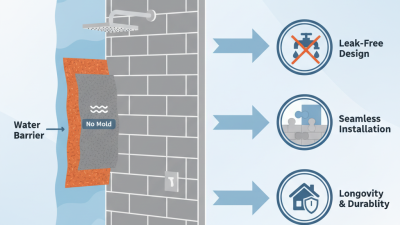
Tile membrane is gaining popularity in construction projects due to its numerous benefits. One of the primary advantages is moisture protection. It acts as a barrier, preventing water from seeping into walls and floors. This is critical in areas like bathrooms and kitchens. Proper moisture control can significantly reduce the risk of mold growth. Additionally, tile membranes enhance durability. They are resistant to cracks and can withstand heavy foot traffic.
Another key benefit is ease of installation. Many tile membranes are lightweight and can be cut to size easily. This saves time on the job site, allowing for quicker project completion. However, it is essential to ensure proper adhesive application. Poor bonding can lead to failure, so attention to detail is vital. In some cases, the learning curve for new users may be steep, but practice leads to improvement.
Tile membranes also provide excellent thermal insulation. They can help maintain temperature, making spaces more comfortable. However, homeowners might overlook this aspect during planning. Some might not fully understand how thermal properties impact energy consumption. Understanding these factors is crucial for long-term project success. Recognizing both advantages and challenges can lead to better-informed choices.
Why Choose Tile Membrane for Your Next Project? - Benefits of Using Tile Membrane in Construction Projects
| Benefit |
Description |
Application |
| Waterproofing |
Tile membranes provide a waterproof barrier to protect the underlying structure from moisture damage. |
Bathrooms, Kitchens, Outdoor Areas |
| Crack Isolation |
They help prevent cracks in tiles due to substrate movement, ensuring longevity. |
High traffic areas, Floor installations |
| Ease of Installation |
Tile membranes are typically lightweight and can be cut easily, simplifying the installation process. |
Residential and commercial projects |
| Moisture Management |
They regulate moisture, preventing mold and mildew growth in tiled areas. |
Wet areas, Pools, Showers |
| Versatility |
Tile membranes are suitable for a variety of surfaces and can be installed on various substrates. |
Floors, Walls, Ceilings |
Understanding Tile Membrane: Composition and Functionality
Tile membranes are becoming increasingly popular in modern construction projects. Understanding their composition and functionality is key to making an informed choice. These membranes are typically made from polymers, providing durability and flexibility. Their lightweight nature allows for easy installation, which can save time and reduce labor costs. Experts highlight that a good tile membrane acts as a barrier against moisture. This helps in preventing water damage and mold growth.
One notable feature of tile membranes is their ability to enhance the longevity of tiles. By creating a stable base, they help tiles adhere better and reduce stress on surfaces. However, not all membranes are created equal. It's essential to consider the specific installation environment. Some conditions may require thicker membranes to better withstand temperature fluctuations. Inadequate analysis can lead to problems down the line.
Tile membranes also have unique permeability rates that affect moisture movement. A membrane with improper permeability could trap moisture. This can compromise the integrity of the tiles above. Proper installation is crucial for effectiveness. Mistakes in this stage can lead to costly repairs and disruptions. Understanding these factors is vital to ensuring the success of your next project.
Comparative Analysis: Tile Membrane vs. Traditional Waterproofing Methods
When considering waterproofing options, tile membrane stands out against traditional methods. Traditional waterproofing often relies on various layers, which can complicate installation. These methods may not provide uniform coverage, leading to vulnerabilities. In contrast, tile membranes offer a single, continuous layer that adheres closely to surfaces. This ensures a seamless barrier against moisture.
Moreover, tile membranes are lighter and often easier to handle. They can be installed in a variety of conditions, including tight spaces. Traditional methods sometimes require extensive preparation and drying times. Tile membranes can usually be set quickly, reducing overall project timelines. However, it's crucial to ensure proper installation. Even a small error can compromise the effectiveness of the membrane.
Despite these advantages, some may still prefer familiar methods. Traditional waterproofing has been tested over decades, providing a sense of security. Yet, the industry is evolving. Tile membranes are gaining traction for their effectiveness and versatility. As with any choice, reflect on specific project needs and local conditions. Each project may present unique challenges that warrant different approaches. Always weigh the pros and cons carefully before deciding.
Installation Process: Steps for Applying Tile Membrane Effectively
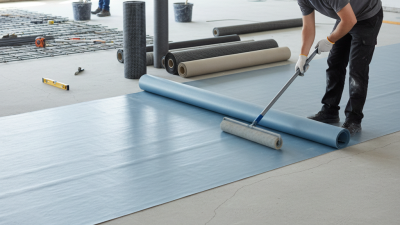
When considering tile membrane for your next project, understanding the installation process is crucial. The first step is to prepare the surface. Ensure it is clean, dry, and free from any debris. This creates a solid foundation for the membrane.
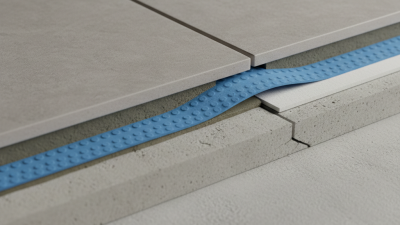
Next, cut the membrane to the desired size. Make sure to leave some overlap at the seams. Apply a thin layer of mortar to the substrate, then place the membrane carefully. Use a roller to eliminate any air bubbles and ensure proper adhesion. Pay attention to corners, as they often require additional sealing.
Tip: Always check manufacturer guidelines. Each product may have specific requirements for best results.
After laying the membrane, wait for it to cure, following the recommended drying times. This is a crucial step, as rushing can lead to problems later. Some users overlook this, resulting in leaks or poor adhesion, which can compromise the entire project.
Tip: Regularly inspect your work. It’s easy to miss small imperfections, but these can lead to bigger issues down the line.
Maintenance and Longevity: Caring for Tile Membrane in Your Project
Tile membrane is an excellent choice for various construction projects. It offers impressive durability, but regular maintenance is crucial for longevity.
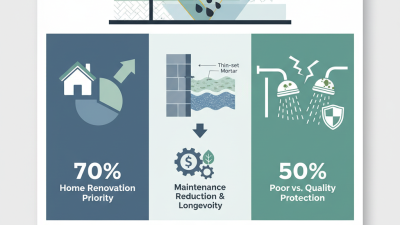
Research indicates that tile membrane systems can last up to 30 years when properly maintained, proving to be a worthwhile investment for homeowners and contractors alike.
Caring for tile membrane involves simple yet effective practices. Regular inspections can catch issues before they escalate. Checking for cracks or wear in the membrane ensures timely repairs, preventing water damage. Moisture control is paramount; using dehumidifiers in humid areas can prevent mold buildup. Reports show that properties with adequate moisture management reduce repair costs by about 25%.
Tips: It's advisable to clean tile membranes with gentle, non-abrasive cleaners. Harsh chemicals can degrade the materials over time. Pay attention to the seams as they are vulnerable spots. Sealants can bolster these areas and extend the life of the membrane. Remember, neglecting small issues can lead to more significant problems down the line.