Top 10 Tile Shower Membrane Solutions for Your Renovation?
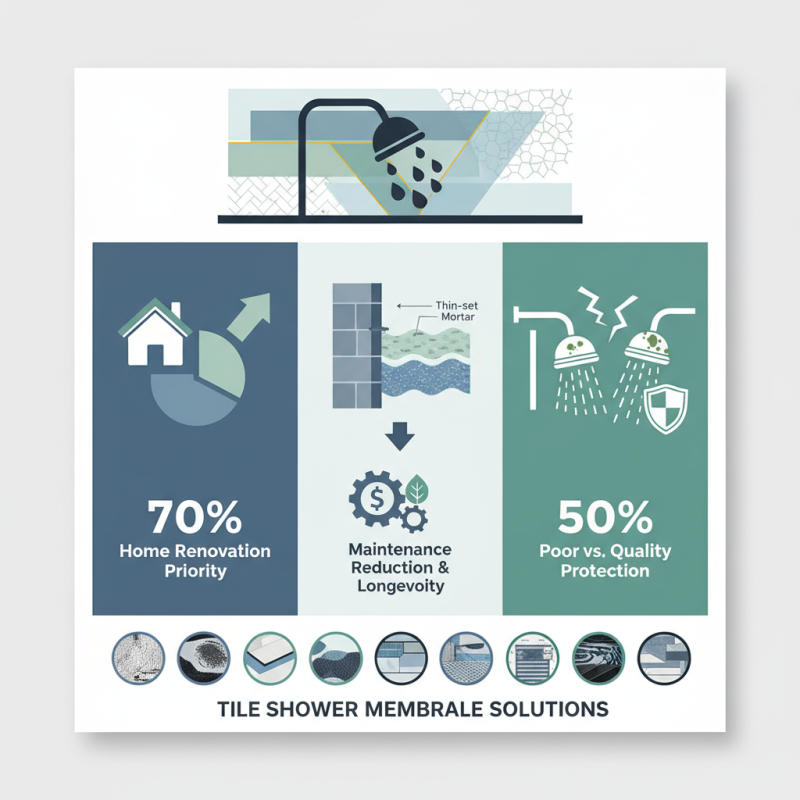
In the realm of home renovations, the choice of materials is critical. Among these choices, the tile shower membrane stands out as a key component. According to industry reports, over 70% of homeowners consider bathroom renovations a top priority. This places a strong emphasis on selecting effective membrane solutions.
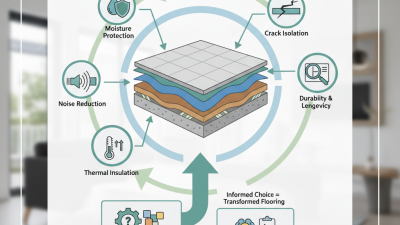
Tile shower membranes are essential for preventing water damage and mold growth. The right membrane can significantly extend the lifespan of a shower, ensuring the investment pays off. Studies show that proper waterproofing can reduce maintenance costs by up to 50% over time. However, not all membranes are created equal.
Homeowners often overlook the quality of materials, leading to inadequate protection. A poorly installed membrane can result in costly repairs. Many contractors report that using high-quality tile shower membranes offers peace of mind and long-term reliability. Evaluating options is crucial, as the right choice can make a significant difference in both function and aesthetic appeal.
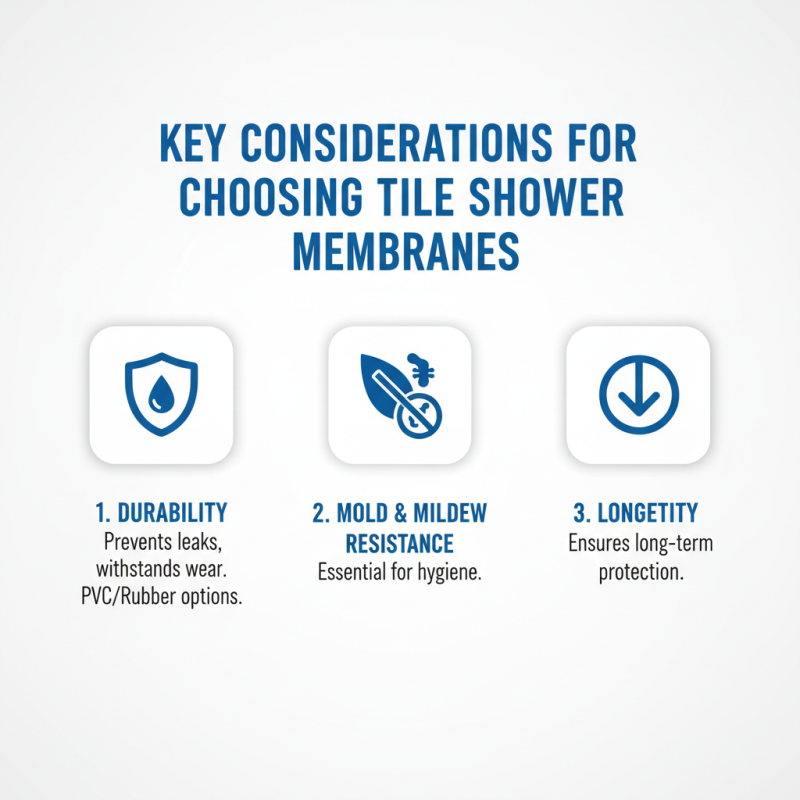
Key Considerations for Choosing Tile Shower Membranes
When selecting tile shower membranes, several key considerations come into play. Durability stands at the forefront. A robust membrane prevents leaks and withstands various wear and tear. Materials like PVC or rubber provide excellent options. Always ensure that the membrane you choose has resistance to mold and mildew.
Installation techniques can greatly affect performance. It is crucial to follow the manufacturer’s guidelines carefully. Any mistakes during the application can lead to major issues down the line. Additionally, consider the overall thickness of the membrane. Thicker membranes may offer better protection but can also be harder to work with.
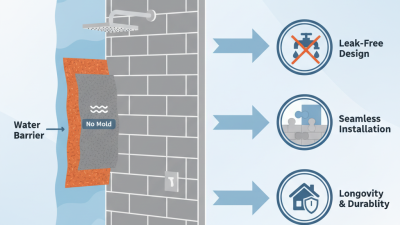
Waterproofing is a non-negotiable aspect. A proper shower membrane should create an impermeable barrier. This will help maintain the integrity of the surrounding structure. Always check for warranties that cover long-term use. Look for independent reviews. These provide insights from real users, highlighting potential shortcomings.
Different Types of Tile Shower Membranes and Their Features
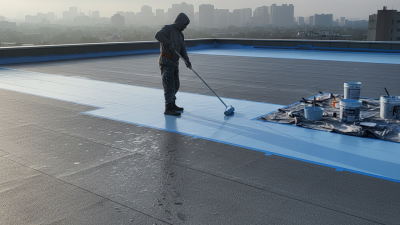
When renovating bathrooms, selecting the right tile shower membrane is crucial. There are several types of membranes available, each with unique features. Waterproof membranes protect against moisture, ensuring a long-lasting finish. These membranes often come in sheet or liquid form, which can be applied directly to the walls.
Another option is the vinyl pan, a popular choice for its affordability and ease of installation. These are pre-formed and fit into the shower area perfectly. They can be a great choice for DIY enthusiasts looking to save on labor costs.
Tips: Always read the installation guidelines carefully. Incorrect application can lead to leaks. Ensure your chosen membrane is compatible with the tile type you plan to use.
Cement backer board is another alternative. It provides a sturdy base that resists mold and mildew. However, it requires proper sealing and may not be as waterproof as other options. Ensure you weigh the pros and cons of each type.
Remember, choosing a shower membrane should involve careful thought. Analyze your budget and design preferences. Working with a professional can help ensure your choices stand up to long-term use.
Top 10 Recommended Tile Shower Membrane Products
When selecting a membrane for tile showers, durability and moisture resistance are crucial. A good membrane protects against water damage. It must withstand the everyday wear and tear in a bathroom, an area often subject to high humidity. Research shows that nearly 85% of bathroom issues stem from improper waterproofing. Hence, choosing the right product is essential.
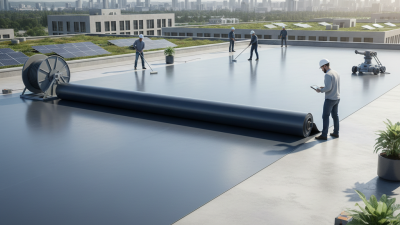
Sheet membranes are popular for their reliability. They are lightweight and easy to install, fitting tight spaces well. Liquid membranes, in contrast, offer flexibility. They can be applied to irregular surfaces, providing a seamless barrier against moisture. A recent industry study found that liquid membranes reduced leakage rates by over 40% compared to traditional methods. However, applying liquid membranes requires precision. If not executed correctly, they might leave areas vulnerable to leaks.
Another consideration is the membrane's lifespan. Many products claim to last for decades. However, environmental factors can significantly impact their performance. A well-ventilated space improves durability. Regular maintenance is also essential. Many homeowners neglect basic upkeep, leading to costly repairs down the line. Investing time in maintenance can prevent long-term issues, ensuring your shower remains functional and aesthetically pleasing.
Installation Tips for Tile Shower Membranes
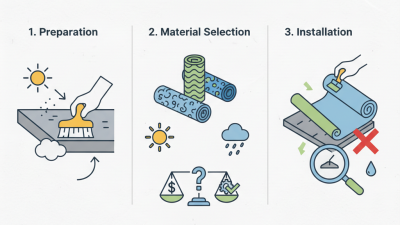
When installing tile shower membranes, proper technique is crucial. Start by ensuring the surface is clean and dry. Use a utility knife to trim your membrane, ensuring it fits snugly around corners and fixtures. Pay attention to these details. A small gap can lead to leaks over time.
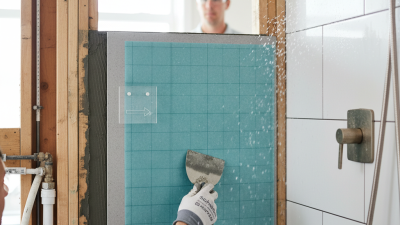
Applying the membrane requires patience. Ensure there are no air bubbles during installation. Use a smoothing tool to push out any trapped air. Make sure the edges of the membrane are sealed properly. A tight seal is essential for preventing water damage.
Check the slope of the shower floor. It should direct water towards the drain. If the slope is off, you may need to rework your base layer. Use a level to confirm that everything is even. These small adjustments can save you from larger issues later on. Always double-check your work. Rushing can lead to mistakes that are costly to fix.
Common Mistakes to Avoid When Using Shower Membranes
When renovating a shower, using a tile membrane is crucial for preventing leaks. However, there are common mistakes to avoid. One frequent error is failing to properly overlap seams. This can lead to moisture creeping behind the tiles, causing damage. Ensuring that edges overlap by at least two inches is essential. It might seem tedious, but taking this extra step can save you from costly repairs later on.
Another mistake is not allowing enough drying time before tile installation. Rushing this process increases the risk of trapped moisture. It’s important to follow the manufacturer’s guidelines for curing time. Many rush through this step in their eagerness but overlook long-term consequences.
Lastly, neglecting to check for level surfaces can create bigger issues down the line. Uneven surfaces lead to poor drainage and potential water pooling. Ensuring that the subfloor is level requires a bit of effort but is worth it. A little time spent on preparation can help prevent a host of problems later on.