
What Is the Best RedGard Membrane for Global Buyers?

Choosing the best red gard membrane for global buyers requires more than comparing prices or product colors. Waterproofing demand is expanding across residential, commercial, and infrastructure projects. Grand View Research reported continued growth in the global waterproofing membranes market, driven by urban construction, renovation, and climate-related building risks. However, market growth does not guarantee equal product suitability.

RedGard Waterproofing and Crack Prevention Membrane is widely recognized for tile and stone installations. Custom Building Products states that its membrane is designed for waterproofing and crack isolation applications. Its technical documentation references ANSI A118.10 and ANSI A118.12 performance requirements. These standards matter because a bathroom in Singapore faces different moisture conditions than a balcony in Canada. Substrate movement, drainage, temperature changes, and installer skill can alter results.

Performance matters most.

Global buyers should verify current technical data sheets, certification scope, coverage rates, and local distribution support. Packaging condition also deserves attention. A damaged pail, frozen material, or long warehouse storage can undermine application quality before installation begins. The National Tile Contractors Association and the Tile Council of North America both emphasize substrate preparation, movement accommodation, and correct installation procedures in professional guidance. Those details are often more important than brand recognition.

There is no universal “best” membrane. A practical choice depends on the project’s exposure, tile system, substrate, and compliance requirements. Buyers should also compare regional warranty terms and approved installation methods. Some online listings provide incomplete or outdated specifications. That is a real weakness. Careful verification remains essential.

What Is the Best RedGard Membrane for Global Buyers?

RedGard Membrane Types and Their ANSI A118.10 Waterproofing Ratings

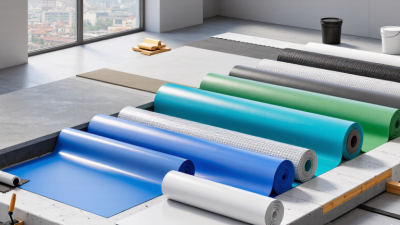
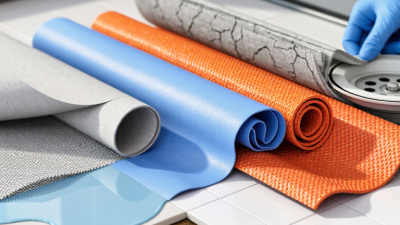
Global buyers usually compare liquid-applied, sheet, and fabric-reinforced membranes. The correct choice depends on substrate movement, drainage, climate, and installer experience. ANSI A118.10 compliance is a performance requirement, not a numerical waterproofing score. There is no A118.10 rating of 10/10.

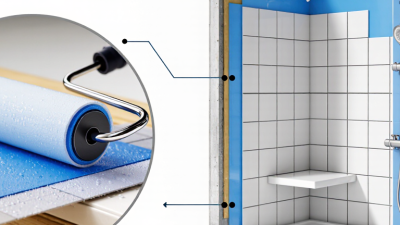
Liquid-applied membranes cover irregular corners and penetrations without many seams. Their weak point is application thickness. A thin area behind a shower niche may remain vulnerable.

Sheet membranes provide more consistent factory thickness, but overlapping joints need careful pressure and compatible sealants. Cementitious systems can suit masonry surfaces, although they may require longer curing in cool, humid spaces.

The Tile Council of North America recommends following the complete tested assembly, not judging one product in isolation.

Small details matter. Record coverage rates.

The 2024 Grand View Research waterproofing market analysis projects approximately 6.4% annual growth through 2030, reflecting wider construction demand, not equal product quality. For international purchasing, request current ANSI A118.10 test evidence, installation instructions, wet-film thickness targets, and batch traceability.

A technical data sheet is useful, but it is not proof of field performance. Temperature limits, substrate moisture, and local plumbing rules can change the result. I would also verify independent laboratory testing, because certificates can be misunderstood across languages. A cheaper membrane may still cost more after failed tile, demolition, and repeated labor.


How to Compare RedGard Coverage, Thickness, and Crack-Isolation Limits

Global buyers should compare a liquid-applied waterproofing membrane by measured performance, not container size. Coverage changes with substrate texture, porosity, temperature, and application tools. A smooth cement board may consume less material than rough concrete. A practical site test helps: coat one square metre and record the actual quantity used. Manufacturer coverage figures are useful, but they are not promises.

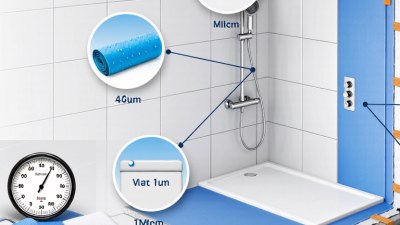
Thickness matters because a thin, uneven coat can leave weak areas around corners and fasteners. Use a wet-film gauge while applying each coat. Many systems require two coats, with the second coat crossing the first direction. Convert mils to millimetres carefully before comparing products from different markets. A membrane that appears economical may need more material to reach its specified thickness. I have seen estimates fail when installers ignored the floor’s texture.

Crack-isolation limits require even closer attention. Check the tested crack width, movement type, temperature range, and required substrate conditions. A rating for static cracks does not automatically cover structural movement or active joints. Expansion joints still need suitable treatment. Do not stretch the membrane beyond its published limit. That shortcut is tempting on large projects, but it can create hidden failures beneath tile. Results also depend on curing time, humidity, and careful coverage near drains. Some comparisons remain uncertain when local testing methods differ. That uncertainty deserves a written question before purchase.

What Is the Best RedGard Membrane for Global Buyers?

How to compare membrane coverage, wet-film thickness, and crack-isolation limits

Coverage
Reference range: 50–100 sq ft per gallon
Wet-film thickness
Reference range: 20–40 mils
Crack isolation
Reference range: 1/16–1/8 inch

There is no universal best membrane. Higher coverage can reduce material use, while adequate film thickness and a suitable crack-isolation rating are more important for demanding substrates. Always verify the installation guide, substrate condition, local units, and required test standard before purchasing.

Selecting RedGard for Tile, Shower, Balcony, and Exterior Applications

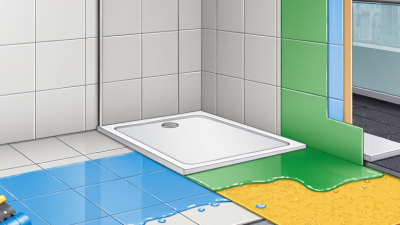
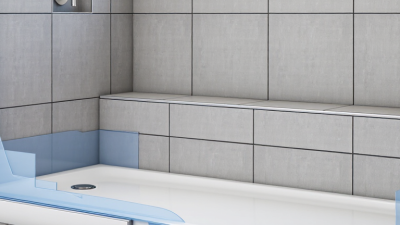
Choosing the right liquid-applied membrane depends on exposure, movement, and installation detail. For interior tile floors and walls, select a product tested to ANSI A118.10 for load-bearing, bonded waterproof membranes. The Tile Council of North America stresses continuous coverage around corners, drains, niches, and pipe penetrations. Small gaps can create expensive failures.

Showers need stronger attention.

Apply the membrane at the manufacturer’s specified wet-film thickness. Use a wet-film gauge, not visual judgment. For balconies, prioritize crack-bridging performance, UV resistance, and compatibility with the tile system. ASTM C836 testing is useful for evaluating liquid-applied waterproofing under demanding conditions.

Exterior decks also face thermal movement, ponding water, and freeze-thaw cycles. A balcony membrane that works indoors may fail outdoors. That assumption is common, and often costly.

Industry demand supports careful specification. Grand View Research reported continued growth in the global waterproofing systems market, driven by renovation and infrastructure protection. Its 2024 analysis also identified liquid-applied systems as a practical option where seamless coverage reduces joint-related risks. However, market growth does not replace field testing. Substrate moisture, surface cleanliness, and drainage still control performance. I would inspect the concrete, confirm slope, and test adhesion before full installation. In humid regions, curing time may change. In cold regions, it may change again. The best selection is not always the thickest product. It is the membrane matched to the tile assembly, climate, and installer’s actual experience.

Regional Standards: ASTM, EN, and VOC Requirements for Global Buyers

Choosing the Best Liquid Waterproofing Membrane for Global Buyers

Regional compliance often matters more than a product’s marketing claims. In North America, ANSI A118.10 evaluates bonded, load-bearing waterproof membranes beneath ceramic tile. ASTM C836 also addresses high-solids, cold-liquid-applied waterproofing materials. These standards examine water resistance, flexibility, and adhesion. A membrane passing one test may not satisfy another. That distinction is easy to miss.

In Europe, EN 14891 covers liquid-applied water-impermeable products beneath ceramic tiling. Buyers should also review EN 16516 emission testing for indoor construction products. The European Commission’s VOC framework under Directive 2004/42/EC separates product categories and limits. Classification is critical. In the United States, regional rules can be stricter than federal guidance. For example, South Coast AQMD Rule 1168 lists category-specific limits, with some waterproofing sealers near 250 g/L VOC. Confirm the exact category before comparing data sheets.

Experienced specifiers request the test method, laboratory, batch number, and application thickness. They also check whether VOC values describe wet content or indoor emissions. The U.S. EPA Method 24 is widely used for coating VOC measurement, but it does not replace every regional requirement. A low-VOC figure is useful, not decisive. Site ventilation, substrate moisture, and curing temperature still affect performance. I would not treat one certificate as universal. That assumption fails surprisingly often.

RedGard Cost, Packaging, Climate Performance, and Distributor Availability

For global buyers, the best liquid-applied waterproofing membrane is not always the cheapest pail. Total cost includes freight, import handling, storage, labor, and possible rework. A local distributor may offer a higher unit price but reduce delivery delays and site downtime. Ask for current batch information, technical data, and written coverage rates before comparing quotations. Small differences matter.

Packaging needs practical inspection. A sealed pail with a strong handle, readable batch code, and clear production date is easier to manage on busy sites. Pallet wrapping should protect containers from punctures and rain. In hot regions, transport vehicles and warehouses can become extremely warm. In cold climates, freezing may damage the material before installation. I have seen projects lose time because containers arrived intact but had poor storage records.

Climate performance deserves more than a brochure claim. Check the recommended application temperature, curing time, substrate moisture limits, and resistance to repeated wetting. Humid coastal air may slow curing, while strong sunlight can skin the surface too quickly. Freeze-thaw locations require careful substrate preparation and movement-joint detailing. A small test area is wise. It exposes problems early, although it cannot replace a full specification review. Distributor availability also matters: confirm stock depth, replenishment time, technical support, and replacement procedures before placing a large order. A reliable supplier should answer clearly, not vaguely.

What Is the Best RedGard Membrane for Global Buyers? - RedGard Cost, Packaging, Climate Performance, and Distributor Availability

Evaluation Dimension Typical Market Information Global Buyer Relevance Recommended Check Before Purchase
Membrane format Single-component, liquid-applied waterproofing membrane that cures into a continuous flexible film. Useful for irregular surfaces, corners, joints, penetrations, and areas where sheet overlaps may be difficult. Confirm approved substrates, required primer, reinforcement requirements, and application thickness in the technical data sheet.
Common packaging Small pails are commonly used for repairs and bathrooms; medium and large pails are more suitable for floors, walls, and commercial work. Smaller packages reduce opened-container waste, while larger packages usually lower the cost per square metre. Check net volume, gross shipping weight, pallet quantity, leakage protection, and whether the container is suitable for international transport.
Indicative material cost A typical retail range for liquid-applied waterproofing membranes is approximately US$4–12 per kg, excluding freight, taxes, and installation. Delivered cost can vary significantly because of import duties, hazardous-goods rules, currency rates, and regional distribution margins. Request a delivered-price quotation using the destination country, order quantity, Incoterms, and required delivery date.
Coverage and consumption Practical coverage often falls around 1.0–1.5 m² per kg for a multi-coat waterproofing application, depending on required dry-film thickness and surface texture. Coverage is more useful than package price when comparing suppliers in different countries. Compare cost per finished square metre, not only cost per pail; include waste, primer, reinforcing fabric, and labor.
Hot and humid climates Liquid membranes can perform well in warm regions when applied within the specified temperature and humidity limits and protected from rain during curing. High humidity may extend drying time; strong sunlight and hot substrates may shorten open time and affect application quality. Confirm minimum and maximum application temperature, rain resistance, drying time, and storage requirements.
Cold climates Curing generally slows at low temperatures, and water-based or moisture-sensitive formulations may be unsuitable below their published minimum application temperature. Cold-weather projects may require heated storage, controlled indoor application, or longer project schedules. Check freeze-thaw resistance, minimum substrate temperature, storage temperature, and allowable time before tile or finish installation.
Wet-area suitability Common applications include showers, bathrooms, kitchens, balconies, and other areas requiring protection beneath tile or finished surfaces. Suitable for many residential and light commercial wet areas when the complete system is correctly installed. Verify compatibility with tile adhesive, sealants, drains, movement joints, and local waterproofing standards.
Substrate compatibility Typical compatible substrates may include concrete, cement backer board, masonry, and properly prepared gypsum-based boards, subject to product approval. Substrate preparation often determines performance more than climate alone. Confirm moisture limits, surface cleanliness, crack treatment, flatness, priming, and whether the substrate must be cured before application.
Distributor availability Availability is usually strongest in regions with established tile, construction-chemical, and building-material distribution networks. Local stock can reduce lead time, freight cost, customs risk, and the possibility of receiving aged inventory. Ask for local stock status, batch date, remaining shelf life, minimum order quantity, technical support, and replacement policy.
Shelf life and storage Many liquid membranes have a limited shelf life, commonly about 12 months when unopened and stored under the manufacturer’s stated conditions. Long international transit and hot warehouses can reduce usable shelf life. Confirm manufacturing date, expiry date, storage temperature, protection from freezing, and container integrity.
Compliance documentation International buyers may require a technical data sheet, safety data sheet, VOC information, test reports, and installation instructions. Documentation supports customs clearance, project approval, worker safety, and specification compliance. Request current documents in English and, where required, the destination country’s local language.
Best buyer profile Best suited to buyers prioritizing seamless coverage, flexible detailing, local availability, and compatibility with tile-installation systems. It may be less economical for very large flat areas where mechanically fastened or sheet systems offer faster installation. Compare total installed cost, project size, labor skill, climate, substrate movement, and local code requirements.

Note: Cost, coverage, curing time, shelf life, and climate limits are typical market ranges for liquid-applied waterproofing membranes. Always verify the current technical data sheet, safety data sheet, local regulations, and distributor quotation before purchase.

Resources

Copyright © CUSTOM Building Products 2025
Products | Resources | Interactive Tools | Warranties | Privacy Policy | Terms of Use | Technical Training