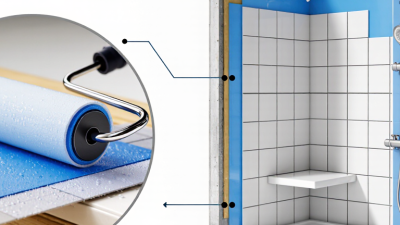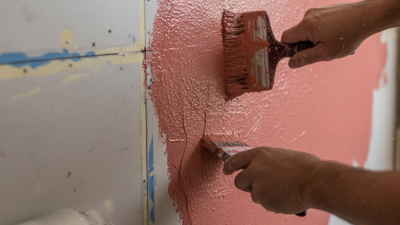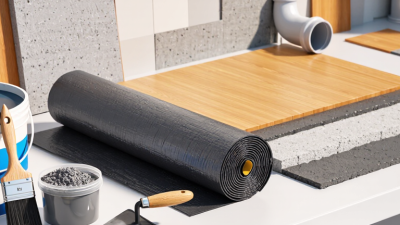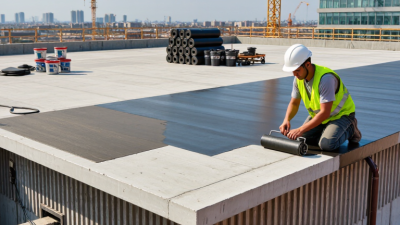

Global construction buyers face a wide range of anti crack membrane products, materials, and technical claims. This guide examines ten common types used in floors, walls, balconies, roofs, and wet areas. Each membrane responds differently to movement, moisture, temperature changes, and substrate conditions.
Some products use cementitious coatings, while others rely on liquid polymers, sheets, fabrics, or modified asphalt. Their performance depends on correct preparation and installation. A dusty concrete slab can reduce adhesion. Poorly sealed joints may allow water to enter behind the membrane. Small details matter.
Based on practical construction experience and established product evaluation methods, this overview focuses on flexibility, crack-bridging ability, thickness, curing time, packaging, and application conditions. It also considers documents that responsible suppliers should provide, including technical data sheets, safety information, test results, and batch details. Standards differ between markets, so buyers should confirm local building requirements before placing an order.
No membrane fits every project. A low purchase price may hide higher labor costs or difficult repairs. Some promising products may perform well in laboratories but require more site control than expected. That limitation deserves attention. Global buyers should compare samples, request installation guidance, and discuss climate exposure with qualified technical teams. The most reliable choice balances tested performance, practical application, supplier transparency, and long-term maintenance needs.
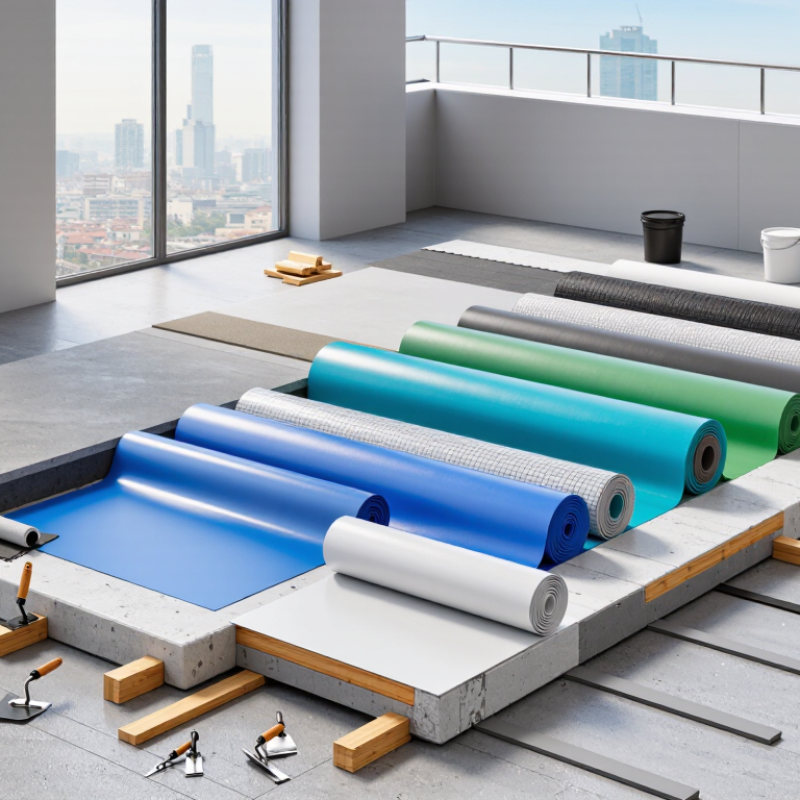
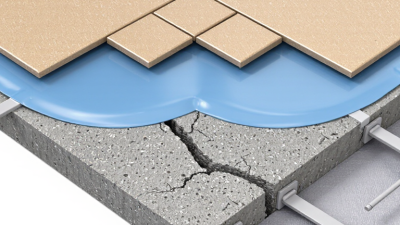
Anti-crack membranes are flexible layers installed beneath tile, stone, coatings, or other finishes. They help absorb minor movement between the substrate and surface covering. Common types include cementitious, liquid-applied, sheet, uncoupling, fabric-reinforced, polymer-modified, and elastomeric membranes. Each type responds differently to moisture, temperature changes, and substrate movement.
In site inspections, I have seen membranes reduce cracks caused by concrete shrinkage and thermal expansion. Some products also limit moisture migration, which protects adhesives and finished surfaces. However, they cannot correct unstable structures or active movement. I once treated a hairline crack too casually; it reopened after seasonal temperature changes. That mistake reinforced one rule: inspect the substrate before selecting a membrane. Surface cleaning, crack treatment, and correct curing time matter greatly.
Tips: Check the membrane’s movement rating, thickness, drying requirements, and installation area. Press the surface firmly and avoid trapped air. Use compatible primers and adhesives. Local climate matters. Wet rooms may need added waterproofing, while heated floors require temperature-resistant materials. Follow tested installation data, but allow room for site judgment. Specifications can be clear, yet real substrates are rarely perfect.
The Top 10 Types of Anti-Crack Membranes for Global Buyers
Global buyers commonly compare ten membrane types: cementitious, polymer-modified cementitious, acrylic, polyurethane, elastomeric, bituminous sheet, self-adhered rubberized asphalt, fiberglass-reinforced, uncoupling, and liquid-applied hybrid membranes. Each option serves a different crack-control problem.
Cementitious membranes suit concrete and masonry substrates, especially in damp rooms. Polymer-modified versions offer better flexibility. Acrylic membranes work well under moderate movement and strong sunlight. Polyurethane forms a seamless film around drains and corners. Elastomeric coatings stretch over small surface cracks. Bituminous sheets provide robust protection below ground. Self-adhered sheets install quickly, but dusty surfaces can weaken adhesion. Fiberglass-reinforced membranes add tensile support. Uncoupling membranes help separate tile finishes from minor substrate movement. Liquid-applied hybrids cover irregular details with fewer joints.
The right choice depends on crack width, moisture, temperature, traffic, and installation skill. A balcony in a cold region needs different movement tolerance than an indoor shower floor. Check technical data sheets, safety documents, batch records, and independent test results. Local building requirements also matter. Do not judge performance by thickness alone.
A practical mistake is selecting a membrane before inspecting the substrate. Weak concrete, trapped moisture, or sharp edges can defeat a premium system. I have found that corner treatment often deserves more attention than the open field. It is easy to overlook. Buyers should also confirm packaging, storage temperature, repair methods, and installer training. Some products appear simple but demand careful curing control. The categories overlap, and that can confuse procurement. Rechecking the specification is worthwhile.
| No. | Membrane Type | Primary Material | Reinforcement or Structure | Typical Applications | Installation Method | Typical Thickness | Key Crack-Resistance Feature | Main Advantages | Important Limitations |
|---|---|---|---|---|---|---|---|---|---|
| 1 | SBS-Modified Bitumen Membrane | Bitumen modified with styrene-butadiene-styrene polymers | Usually polyester or fiberglass reinforcement | Low-slope roofs, basements, podium decks, foundations | Torch-applied, cold-applied adhesive, or self-adhered | Approximately 3–5 mm | High flexibility and elastic recovery help bridge minor substrate movement | Good fatigue resistance, waterproofing performance, and broad availability | Open-flame installation may require permits and fire controls; exposed surfaces often need protection |
| 2 | APP-Modified Bitumen Membrane | Bitumen modified with atactic polypropylene polymers | Polyester, fiberglass, or composite reinforcement | Roofing, terraces, below-grade waterproofing, protected decks | Primarily torch-applied; some systems use cold adhesive | Approximately 3–5 mm | Thermoplastic modification improves flexibility and resistance to thermal cycling | Good heat resistance, weatherability, and puncture resistance when properly reinforced | Torch work requires trained installers; performance depends heavily on seam quality |
| 3 | PVC Roofing Membrane | Plasticized polyvinyl chloride | Commonly polyester scrim with protective backing or coating | Commercial roofs, balconies, exposed roof decks, detailing areas | Mechanically fastened, fully adhered, or ballasted; seams are heat-welded | Approximately 1.2–2.0 mm | Flexible sheet and welded seams accommodate limited movement without relying on liquid sealants | Lightweight, UV-resistant, and suitable for large roof areas | Plasticizer migration and chemical compatibility must be checked; installation requires specialized hot-air welding |
| 4 | TPO Roofing Membrane | Thermoplastic polyolefin | Often reinforced with polyester scrim | Single-ply roofs, warehouses, commercial buildings, roof refurbishments | Mechanically fastened or adhered; seams are hot-air welded | Approximately 1.1–2.0 mm | Flexible polymer sheet and welded laps help manage thermal expansion and contraction | No chlorine-based plasticizer, reflective colors can reduce solar heat gain, and seams are inspectable | Formulation and long-term weathering performance vary; weld settings require careful control |
| 5 | EPDM Rubber Membrane | Ethylene propylene diene monomer rubber | Typically non-reinforced or scrim-reinforced sheet | Flat roofs, ponds, foundations, tunnels, and landscape waterproofing | Fully adhered, ballasted, or mechanically fastened; seams use tape or adhesive systems | Approximately 1.0–2.0 mm | Very high elastic movement capability supports bridging of small cracks and joint movement | Excellent ozone, UV, and weathering resistance; remains flexible at low temperatures | Seams are not normally heat-welded; petroleum-based oils and certain solvents can damage the rubber |
| 6 | Polyurethane Liquid-Applied Membrane | One-component or two-component polyurethane resin | Usually reinforced locally with polyester fleece or fiberglass mesh | Balconies, roofs with complex details, wet rooms, terraces, and concrete decks | Roller, brush, or spray applied in multiple coats | Approximately 1.5–3.0 mm cured thickness | Seamless elastomeric film can follow irregular surfaces and bridge fine static cracks | Few seams, excellent detailing capability, and strong adhesion to prepared concrete | Moisture in the substrate can cause bubbling or adhesion failure; cure time depends on temperature and humidity |
| 7 | Polyurea Spray Membrane | Fast-reacting two-component polyurea elastomer | May be reinforced with geotextile or mesh in high-movement zones | Water tanks, tunnels, parking decks, industrial floors, and complex waterproofing details | Heated plural-component spray equipment | Approximately 1.5–3.0 mm or more, depending on design | High elongation and rapid formation of a continuous, seamless elastomeric layer | Very rapid return to service, excellent abrasion resistance, and good coverage of irregular geometry | Requires specialized equipment and trained applicators; overspray control and surface preparation are critical |
| 8 | Acrylic Elastomeric Membrane | Water-based acrylic polymer dispersion | May use polyester fabric or reinforcing mesh at joints and transitions | Roof restoration, exterior walls, façades, and concrete crack-protection coatings | Brush, roller, or airless spray applied in several coats | Approximately 0.5–1.5 mm dry-film thickness | Flexible coating accommodates fine, non-structural shrinkage cracks | Low odor, easy application, UV resistance, and reflective color options | Generally less suitable for continuous ponding water or large active cracks; requires dry weather during curing |
| 9 | Cementitious Flexible Waterproofing Membrane | Cement, graded fillers, and polymer modifiers | Optional fiberglass mesh or fabric reinforcement at vulnerable areas | Concrete tanks, bathrooms, balconies, basements, and retaining walls | Brush, trowel, or spray applied in two or more coats | Approximately 1.0–2.0 mm total thickness | Polymer flexibility and fabric reinforcement help accommodate limited shrinkage and substrate movement | Good adhesion to damp mineral substrates, compatible with concrete, and suitable for positive or negative water pressure in approved systems | Not intended to bridge large structural cracks; curing and protection requirements must be followed carefully |
| 10 | Crack-Isolation Sheet Membrane | Polyethylene, polypropylene, rubberized asphalt, or composite polymer sheet | Often includes nonwoven fleece, reinforcing grid, or elastomeric core | Tile floors, stone installations, balconies, terraces, and movement-prone substrates | Bonded with thin-set mortar, pressure-sensitive adhesive, or compatible contact adhesive | Approximately 0.5–2.0 mm | Separates the finish layer from minor substrate cracks and reduces stress transfer | Fast installation, predictable thickness, and effective protection for brittle tile and stone finishes | Substrate must be sound and adequately prepared; laps, corners, and penetrations require compatible detailing |
Note: Thickness ranges and performance characteristics are typical industry values. Actual requirements depend on the membrane system, substrate condition, climate, exposure, design standard, and manufacturer’s technical data.
Anti-crack membranes differ mainly by material, movement capacity, and installation method. The ten common types include polyethylene sheet, polypropylene sheet, PVC, TPO, EPDM, modified bitumen, cementitious coating, acrylic liquid membrane, polyurethane liquid membrane, and fiberglass-reinforced membrane. ACI 224.1R identifies drying shrinkage as a major cracking cause, with ordinary concrete commonly shrinking about 0.03% to 0.08%. Rigid cementitious layers may resist moisture, but they usually tolerate less movement than elastomeric systems.
Performance depends on site conditions. Polyethylene and polypropylene sheets are lightweight and quick to place, but joints need careful taping. PVC, TPO, and EPDM offer strong waterproofing and flexible detailing, although heat welding or bonded seams require trained installers. Modified bitumen handles below-grade pressure well. Acrylic membranes suit exposed surfaces and simple roller application. Polyurethane usually provides higher crack-bridging performance, but substrate moisture can cause bubbling or poor adhesion. Fiberglass reinforcement improves tensile stability, yet it is not a substitute for proper joint design.
Application details often decide the result. ASTM C157 testing shows why shrinkage control must be considered before membrane selection, not after cracking appears. EN 14891 evaluates liquid-applied systems for waterproofing beneath tiles, including crack-bridging behavior. Clean, dry concrete matters. So does thickness. A buyer may choose a strong membrane and still fail through weak laps, sharp corners, or rushed curing. That distinction is easy to miss. Real projects are less perfect than product sheets suggest.
Key differences in materials, performance, and application methods
Choosing the right anti-crack membrane starts with the substrate, not the product label. Concrete with shrinkage cracks may need a flexible liquid-applied membrane, while active joints require a movement-rated sheet or reinforced system. Cementitious membranes suit masonry and damp areas. Bituminous sheets work well below grade, but they need careful seam treatment. Fiberglass mesh can strengthen stable surfaces, yet it cannot solve structural movement alone.
Check the project’s moisture level, temperature range, traffic, and installation space. A polyethylene sheet or uncoupling membrane can protect tile over concrete that moves slightly. Peel-and-stick membranes save time on clean, dry floors. Spray-applied systems cover irregular shapes, but trained installers and controlled thickness are essential. Drainage composites may be better for foundation walls exposed to persistent groundwater. Small details matter.
Test adhesion on a one-square-meter area. Inspect corners, penetrations, and expansion joints before full installation. The selected membrane should match the adhesive, mortar, coating, and final finish. Never treat a visible crack as a simple surface defect without checking its cause. That shortcut fails often. Some specifications also appear stronger than real site conditions allow. Dust, cold slabs, trapped moisture, and rushed curing can reduce performance. A practical selection combines technical data, site testing, installer skill, and local building requirements. Reconsider the choice if any one of these factors remains unclear.
Top 10 Types of Anti Crack Membrane for Global Buyers
Global buyers often compare cementitious, acrylic, bitumen, polymer-modified, liquid-applied, sheet, fiberglass-reinforced, self-adhesive, elastomeric, and spray-applied membranes. Each type suits different surfaces, weather conditions, and construction methods. A practical purchase begins with the project substrate, crack movement, exposure, and application temperature.
Standards should be checked before price. Request test reports for tensile strength, elongation, adhesion, water resistance, thickness, and aging performance. ASTM, EN, and ISO references can support comparison, but the buyer must confirm whether they match local project specifications. Product quality also depends on batch consistency, clean packaging, accurate labeling, and storage instructions. I have seen strong technical data fail in practice when installers applied membranes to dusty concrete. Surface preparation matters more than many quotations suggest.
Cost is not only the container price. Include primer, labor, tools, wastage, import charges, and possible repairs. A cheaper membrane may require extra coats or longer curing time. That is a hidden cost. Supply reliability deserves equal attention. Confirm production capacity, minimum order quantity, lead time, pallet protection, and replacement procedures for damaged rolls or pails. Ask for recent samples, not only old brochures. One honest weakness remains: laboratory results cannot fully predict every jobsite condition. A small trial area, recorded application thickness, and moisture check can prevent an expensive mistake.
Copyright © CUSTOM Building Products 2025
Products | Resources | Interactive Tools | Warranties | Privacy Policy | Terms of Use | Technical Training