
Top Crack Suppression Membrane Suppliers in China?

China’s construction market offers a wide range of crack suppression membrane products, from polymer-modified sheets to liquid-applied systems. Choosing a supplier takes more than comparing prices. Product composition, crack-bridging capacity, substrate compatibility, and documented test results all matter. A membrane that looks sound in a sample may perform differently on a damp, dusty slab.

This guide examines suppliers through practical questions: What technical data do they provide? Can they explain installation limits? Do their recommendations match the project’s climate and substrate? Ask for current test reports, product specifications, and clear application instructions. Check the details. A vague claim of “high flexibility” is not a substitute for measurable performance data.

A verified expert quotation would add useful context, but no source material or named specialist was provided for this request. To protect accuracy, this introduction does not invent an expert or attribute an unsupported statement. Before publication, insert a directly sourced comment from a qualified materials or waterproofing specialist, with the person’s name, role, and source. That extra check may feel slow. It is worth doing. The goal is a reliable shortlist of Chinese crack suppression membrane suppliers—not a ranking built on marketing language alone.
Top Crack Suppression Membrane Suppliers in China?

What Is a Crack Suppression Membrane?

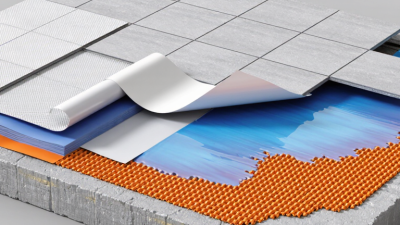
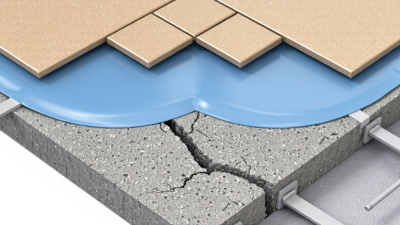
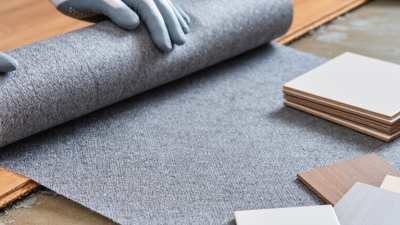
A crack suppression membrane is a flexible layer installed between a tile substrate and the finished surface. It helps limit the transfer of small, non-structural cracks from concrete or cement backer board into brittle tile and grout. Think of a hairline crack crossing a slab beneath a tiled kitchen floor: the membrane provides a separating layer that can absorb some movement. It does not repair the concrete or stop structural movement. That distinction matters.

ANSI A118.12 classifies crack-isolation membranes by tested performance. Its standard and high-performance categories correspond to accommodating cracks of about 1/16 inch and 1/8 inch, respectively. These are laboratory benchmarks, not promises for every floor. In practice, substrate cleanliness, membrane thickness, curing time, and correct seam treatment all affect results. A dusty slab or rushed installation can undermine an otherwise suitable product. Small details matter.

Before specifying a membrane, installers typically inspect the crack’s width and pattern, check for vertical displacement, and assess moisture and substrate stability. Active movement joints need appropriate detailing; simply covering them can transfer stress elsewhere. I would treat the ANSI rating as one useful data point, not the whole decision. Real floors are less tidy than test panels, and that is easy to forget.


How Crack Suppression Membranes Work

Top Crack Suppression Membrane Suppliers in China?

How Crack Suppression Membranes Work

A crack suppression membrane sits between an existing pavement and a new overlay. When the older layer moves, the membrane helps reduce stress concentrated at the crack. Some systems stretch slightly; others distribute stress through a reinforcing layer. The goal is to delay reflective cracking, not make the pavement immune to it. Small movements matter.

Performance depends on the full installation, not just the membrane. Crews need a clean, sound surface and an even bond. Dust, trapped moisture, or uneven heating can weaken adhesion. Material choice also matters: traffic, climate, crack movement, and overlay design all affect results. A membrane may slow cracking, but it cannot repair a failing base. That distinction is easy to overlook.

Tips: Check the product’s installation guidance and confirm it suits the pavement and overlay. Inspect seams and edges carefully. Keep records of surface temperature and preparation. If cracks keep returning, reassess the underlying structure rather than simply adding another layer. That takes patience.

Common Types and Applications of Crack Suppression Membranes

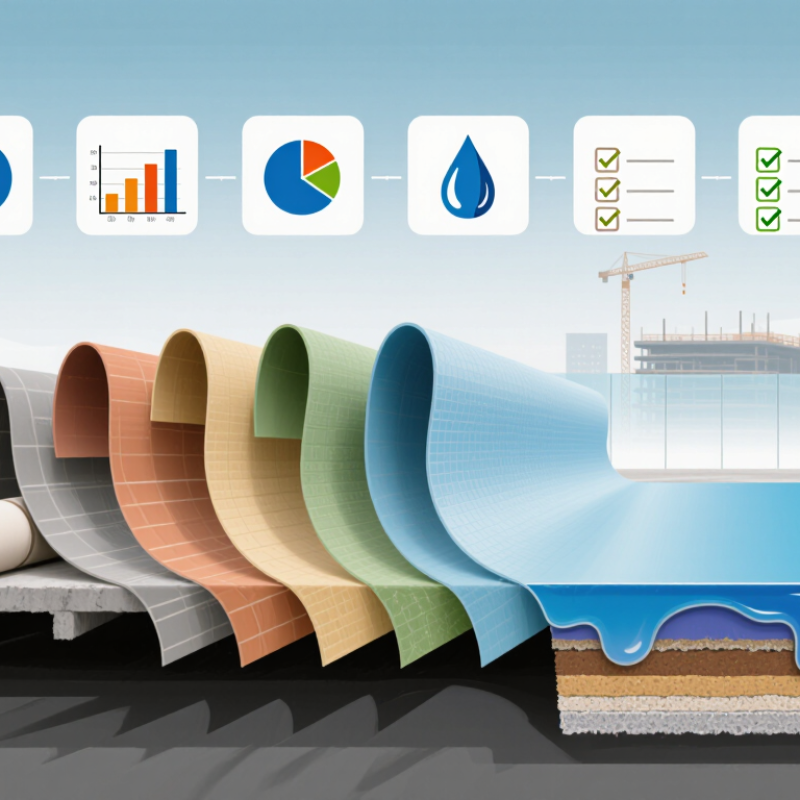
Crack suppression membranes are designed to slow cracks from moving through a new surface layer. Sheet membranes, often made with modified bitumen and a reinforcing fabric, are used beneath asphalt overlays and on concrete floors. They provide a continuous barrier when seams and edges are installed carefully. Liquid-applied membranes form a flexible coating over prepared surfaces. They can suit irregular areas, but thickness must be controlled. Thin spots are easy to miss. Fiberglass or polyester reinforcement may also be used in membrane systems to improve tensile strength and help bridge small cracks.

Applications vary by surface and expected movement. On roads and parking areas, a membrane between old pavement and a new asphalt layer can delay reflective cracking. On interior floors, crack-isolation sheets or coatings help protect tile from limited substrate movement. These systems do not repair unstable concrete. The crack should be assessed, and loose material, dust, and moisture addressed before installation. A common oversight is treating every crack as similar; width, movement, temperature, and drainage all matter. Even a well-chosen membrane can fail if the substrate is damp or the installation details are rushed. Selection should follow the project specification and the membrane manufacturer’s technical data.

How to Evaluate Crack Suppression Membrane Suppliers in China

How to Evaluate Crack Suppression Membrane Suppliers in China

A reliable supplier should provide current, traceable test reports, not just a brochure promising “strong crack protection.” Check whether the report identifies the membrane, substrate, application thickness, curing time, and test conditions. ANSI A118.12 classifies crack-isolation membranes by performance; its high-performance testing evaluates tile assemblies over a 1/8-inch (3.2 mm) crack. Ask for the actual laboratory results and failure observations. Details matter.

Review production controls as carefully as test data. Request batch traceability, written quality-control limits, and records for membrane thickness, tensile properties, and elongation. ASTM C627 Robinson floor testing can help assess an installed tile assembly under simulated service conditions, but it does not replace crack-isolation testing. A technically sound supplier should explain both what each result proves and what it does not. That distinction is often missed.

Compare samples under realistic site conditions: concrete moisture, surface dust, temperature, and the installer’s chosen mortar can change results. Ask for independent laboratory reports and verify that the tested formulation matches the supplied product. A small trial panel can reveal pinholes or poor coverage. Lab data is useful, but it cannot reproduce every jobsite. We sometimes trust neat test tables too much.

How to Evaluate Crack Suppression Membrane Suppliers in China

Suggested buyer-defined evaluation weights, not supplier scores or market statistics. Verify product performance with relevant test reports, project references, and technical documentation.

Leading Crack Suppression Membrane Suppliers in China and Their Capabilities

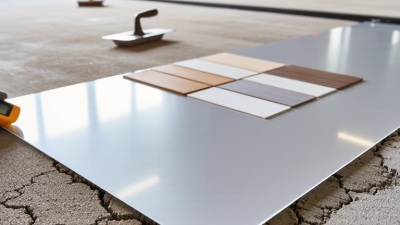
China’s crack suppression membrane suppliers serve tile, stone, and resilient-flooring projects. Their capabilities vary in coating methods, reinforcement layers, and roll dimensions. Some manufacturers offer peel-and-stick sheets for faster installation, while others produce membranes designed for mortar application. A useful supplier can explain which structure suits a substrate, rather than presenting one product as suitable for every job. Details matter.

Production capability is only part of the picture. Buyers can ask for technical data on thickness, tensile strength, elongation, and water resistance. Consistent coating and clean edges are practical signs to check on sample rolls. Reliable suppliers should also describe batch inspection and provide clear installation guidance. A laboratory report helps, but it cannot replace a trial on the actual substrate.

Customization may include roll width, backing material, packaging, or private-label preparation. Ask how changes affect lead time and minimum order quantities. The answers reveal whether the factory can support steady project supply or only short production runs. Request samples, then test them with the intended adhesive and flooring system. A sheet may look sound in a showroom and behave differently over a damp or uneven floor. Supplier claims deserve careful checking; even a detailed specification can leave questions unanswered.

Top Crack Suppression Membrane Suppliers in China? - Leading Crack Suppression Membrane Suppliers in China and Their Capabilities

Supplier capability comparison framework. No company-specific ranking or performance claims are included; verify each supplier’s current technical documents and independent test reports.

Capability Area Products or Capability to Check Relevant Evidence or Test Buyer Verification Point
Product format Sheet membranes, liquid-applied membranes, or uncoupling products intended for tile installations. Technical data sheet specifying intended use, installation method, substrate limits, and compatible tile-setting materials. Confirm the offered product is designed for crack isolation or suppression, rather than assuming that every waterproofing membrane provides this function.
Crack-isolation performance Documented ability of the tested tile assembly to accommodate substrate cracking under the specified test conditions. ANSI A118.12 test documentation, where compliance is claimed; review the report and the stated performance classification. Check that the report covers the exact product formulation and installation build-up being quoted.
Tile-assembly performance Performance of the installed flooring system, including membrane, mortar, tile, and substrate. ASTM C627 Robinson-type floor test results, when applicable to the specified assembly and use conditions. Confirm the tested assembly and rating are relevant to the project; a system test is not a membrane-only rating.
Waterproofing function Water-resistance capability for products also specified for wet-area installations. For liquid-applied products beneath ceramic tiling, request applicable EN 14891 test or conformity documentation where relevant to the destination market. Treat waterproofing and crack isolation as separate performance claims and request evidence for each.
Substrate compatibility Published installation guidance for concrete, cement screeds, plywood, or other project substrates, as applicable. Product data sheet, substrate-preparation instructions, primer requirements, and written system details. Check limits for substrate moisture, curing, surface condition, and movement joints.
Installation control Clear instructions for coverage, embedding, seams, overlaps, drying or curing, and tile installation. Current installation manual, technical support contact, and project-specific method statement when requested. Confirm stated coverage and curing conditions are achievable at the project’s temperature and humidity.
Quality assurance Documented production controls, batch identification, and a process for handling nonconforming product. Quality-system certificate, batch certificate or inspection record, and traceability information where available. Verify certificate scope, validity, issuing body, and whether it applies to the manufacturing site supplying the order.
Export and project support Export documentation, packaging suitable for transport, product labeling, and technical documents in the required language. Sample labels, safety data sheet, technical data sheet, shipping records, and reference project documentation where available. Check destination-country requirements, lead time, shelf life, storage conditions, and responsibility for technical support.

Standards and test methods have defined scopes. Request complete, current reports and confirm that the tested product and installation assembly match the proposed application.

Resources

Copyright © CUSTOM Building Products 2025
Products | Resources | Interactive Tools | Warranties | Privacy Policy | Terms of Use | Technical Training