


Choosing the right shower waterproofing membrane can prevent cracked tiles, stained ceilings, and expensive repairs. Yet no single product suits every climate, substrate, or installation method. Global buyers must consider water pressure, temperature changes, local building practices, and available technical support.
This guide reviews ten widely used membranes for residential and commercial shower projects. The comparison considers waterproof performance, flexibility, vapor resistance, thickness, application method, and compatibility with tile adhesives. It also examines practical details, such as corner treatment, drain connections, curing time, and seam reliability. These small areas often decide whether a shower remains dry after years of use.
Experienced installers know that product quality is only part of the result. A premium membrane can still fail over dusty concrete, moving joints, or poorly sealed penetrations. Manufacturer instructions matter. So do recognized test reports and regional approvals. Buyers should verify current certifications before ordering across borders, because requirements differ between markets. Shipping conditions may also affect liquid products and adhesive-backed sheets.
The comparison is not absolute. Site conditions change everything. Some recommendations may need reconsideration after testing. That is important. A membrane that performs well in a hotel bathroom may not suit an unheated residential renovation. We focus on evidence, installation experience, and realistic limitations, helping international buyers make a safer, better-informed choice.
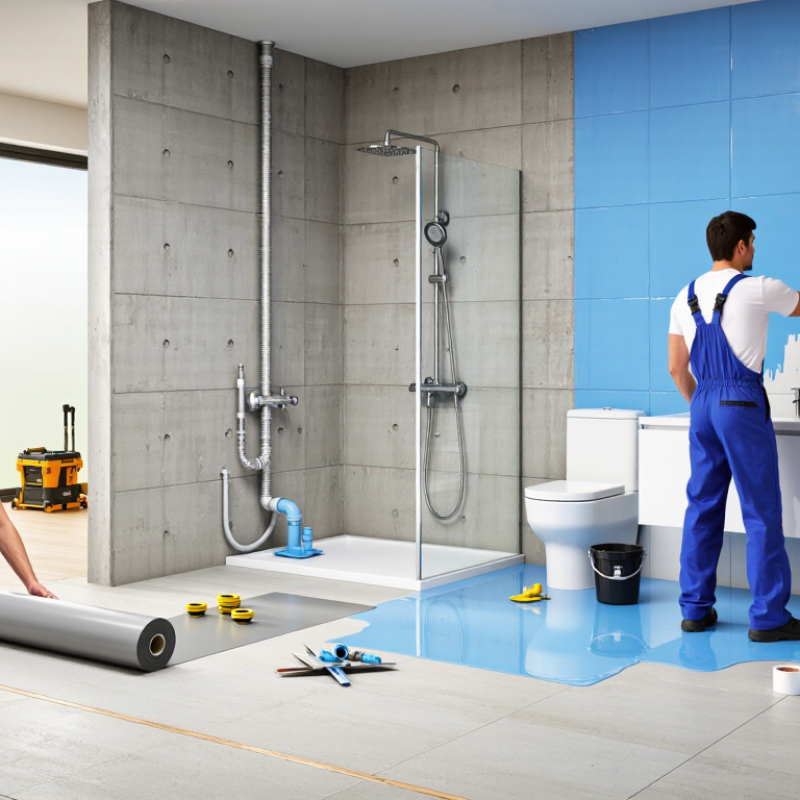
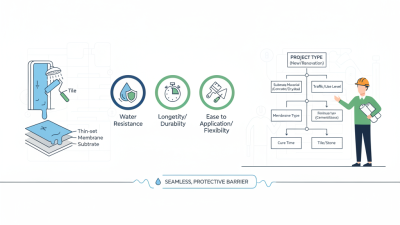
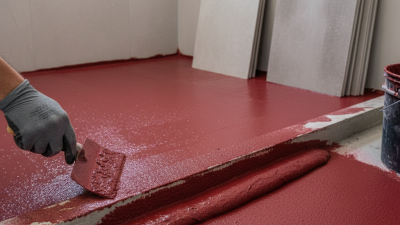
A shower waterproofing membrane is a continuous water-resistant layer installed behind tile or another finish. It protects walls and floors from hidden moisture. Tile and grout are not waterproof. That detail is often missed. Membranes usually come as flexible sheets or liquid-applied coatings. Sheet systems rely on bonded seams, while liquid systems form a cured film. Their purpose is simple: guide water toward the drain, not into the framing.
During installation checks, I inspect corners, pipe penetrations, and drain connections first. These areas move, shrink, and leak most easily. A reliable membrane must bond securely and remain flexible after curing. The substrate should be clean, stable, and suitable for the system. Technical instructions matter. A membrane cannot repair loose backer board or an incorrect floor slope. It also cannot replace a properly sealed drain.
Thickness matters. Coverage matters. So does curing time.
I have seen a nearly perfect wall fail because one seam was rushed. That was avoidable. Some installers confuse waterproofing with vapor control; they are related but not identical. Local requirements may address approved systems, flood testing, and inspections. A small test can reveal wrinkles, pinholes, or weak joints. Still, testing is not magic. It only reflects the installation at that moment.




Copyright © CUSTOM Building Products 2025
Products | Resources | Interactive Tools | Warranties | Privacy Policy | Terms of Use | Technical Training
