What is the Best Waterproofing Membrane for Your Needs?
Choosing the best waterproofing membrane is crucial for any construction project. Expert Sarah Johnson, a leading figure in waterproofing solutions, asserts, "Selecting the right membrane can save you money and headaches down the line." She emphasizes that not all membranes perform equally.
Various options exist in the market. Each material's quality differs, affecting longevity and durability. For example, some membranes work well in high-moisture areas, while others excel in extreme weather. Understanding these distinctions is essential. Homeowners and builders alike must match the waterproofing membrane to their specific needs.
Many underestimate the importance of proper installation. Misapplication can lead to leaks and structural damage. Diligently researching and consulting professionals can make all the difference. Ultimately, finding the best waterproofing membrane is both an art and a science. It requires careful consideration and expert advice to achieve optimal results.

Types of Waterproofing Membranes: An Overview of Options Available
When choosing the right waterproofing membrane, various options are available. Understanding these types can help you determine the best fit for your project. Liquid membranes are popular for their versatility. They create a seamless barrier that adapts to surfaces easily. These membranes can handle irregular shapes and complex details effectively.
Sheet membranes, on the other hand, offer reliable and consistent performance. They are often made from rubber or plastic materials. Installing sheet membranes can be straightforward, but the seams need careful attention. Over time, seams may weaken, leading to potential leaks. Regular inspections are crucial to maintain effectiveness.
Consider your project environment when selecting a membrane. Factors like exposure to UV rays and temperature swings matter. Applying membranes incorrectly might lead to future issues. It's helpful to consult professionals for nuanced expertise. They can share insights based on experiences with various projects and materials. Always prioritize a well-informed choice to ensure lasting protection.
Key Factors to Consider When Choosing a Waterproofing Membrane
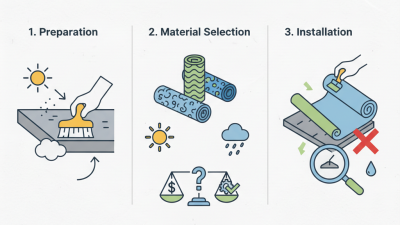
Choosing the right waterproofing membrane requires careful consideration. Different projects have unique needs, and one solution does not fit all. First, assess the environmental conditions your project will face. Factors such as temperature fluctuations and exposure to moisture play a critical role in material selection.
Next, consider the type of surface you’re working with. Membranes can vary in compatibility with materials like concrete, wood, or metal. For instance, a membrane that works effectively on concrete may not adhere well to wood surfaces. Always check the manufacturer's specifications to ensure the membrane will perform properly in your specific application.
Ease of installation is another factor to keep in mind. Some membranes require professional application, while others can be installed as a DIY project. Think about your skill level and available resources. Keep in mind that a more complicated installation may lead to mistakes and future issues. Balancing durability, cost, and application method will ultimately lead to a better choice for your waterproofing needs.
What is the Best Waterproofing Membrane for Your Needs?
This chart compares various types of waterproofing membranes based on their durability, application ease, and cost-effectiveness, helping you choose the best option for your project.
Performance Metrics: Evaluating Durability and Water Resistance Levels
When evaluating waterproofing membranes, durability and water resistance are crucial metrics. A reliable membrane should withstand various weather conditions. For instance, extreme temperatures or prolonged exposure to moisture can compromise performance. Understanding how long a product lasts under specific conditions helps in choosing the right solution.
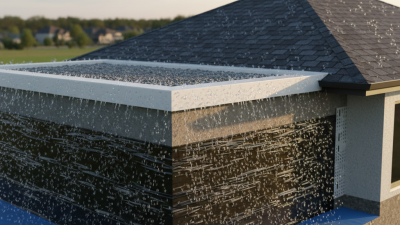
Different membranes offer varying levels of water resistance. Some may perform well in light rain but struggle against heavy downpours. Testing a membrane's puncture resistance is also essential. A strong membrane can prevent leaks from sharp objects. Evaluating these factors requires knowledge and experience in the field.
It’s important to consider installation as part of the performance equation. A poorly installed membrane might fail, regardless of its quality. Educating oneself about application techniques can enhance performance outcomes. Continuous research and consulting with experts can aid in making informed decisions. The quest for the perfect waterproofing solution often involves trial and error, leading to reflection on past choices.
Application Methods: Installation Techniques for Various Membrane Types
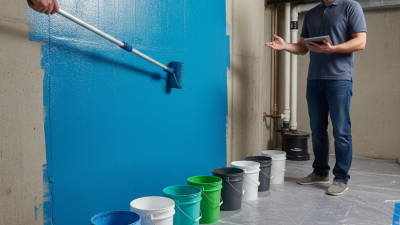
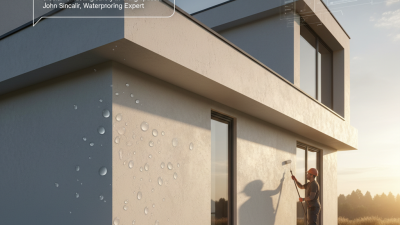
When choosing a waterproofing membrane, understanding installation methods is crucial. Different membrane types, like liquid applied, sheet membranes, and spray-on coatings, have unique application techniques. Liquid membranes are often rolled or brushed directly onto surfaces. This method requires skill to ensure uniform coverage. Uneven application can lead to weak spots and potential leaks.
Sheet membranes, on the other hand, are typically installed in large sections. They offer quick coverage but need precise alignment to avoid overlaps or gaps. Misalignment can create vulnerabilities, necessitating careful planning during installation. For spray-on coatings, surface preparation is key. The substrate must be clean and dry. Any imperfections can impact adhesion. It's easy to overlook this step, but it’s essential for a successful waterproof barrier.
Achieving a dependable waterproofing system often involves trial and error. Experienced installers will tell you that mistakes in application can be costly. Learning from these experiences can enhance future projects. Consulting with professionals can help refine techniques, ensuring a reliable application. It’s a continuous learning process, emphasizing the importance of each detail in achieving long-lasting results.
What is the Best Waterproofing Membrane for Your Needs? - Application Methods: Installation Techniques for Various Membrane Types
| Membrane Type |
Best Application Method |
Installation Technique |
Recommended Uses |
| Liquid Applied Membrane |
Spray or Brush Application |
Smooth, even coats applied directly to surface |
Balconies, Rooftops, Basement Walls |
| Sheet Membrane |
Adhesive Bonding or Mechanical Fastening |
Overlap seams and ensure proper adhesion |
Foundations, Below-Grade Walls |
| Self-Adhered Membrane |
Peel and Stick Application |
Align and press firmly onto prepared surface |
Roofing, Podiums, Wall Flashings |
| Thermoplastic Membrane |
Heat Welded Seams |
Use hot air welding tools to fuse seams |
Commercial Roofs, Industrial Applications |
| Bituminous Membrane |
Torch-On Application |
Heat applied to the membrane and substrate |
Flat Roofs, Waterproofing Foundations |
Cost Analysis: Comparing Prices and Long-term Value of Waterproofing Solutions
When it comes to choosing a waterproofing membrane, cost is a significant factor. Different solutions come with varying price tags. For example, liquid membranes are often more affordable upfront than sheet membranes. However, their long-term durability can vary. Investing in a more expensive option may save you money in the long run through fewer repairs.
The installation process also affects costs. Some membranes require professional installation, which can add to overall expenses. DIY options are available, but they may pose risks if not applied correctly. Misjudged applications can lead to leaks and larger expenses.
Long-term value includes maintenance considerations. A cheaper membrane might wear out quicker, requiring frequent replacements. Look at the warranty length, as it often reflects the durability of the product. Analyzing both immediate costs and potential future expenses can guide your decision effectively. Be thorough in your comparisons to ensure a wise investment.