Best Waterproofing Membrane Options for Global Buyers?
Choosing the best waterproofing membrane can be a daunting task for global buyers. With so many options available, ensuring durability and effectiveness is crucial. Renowned industry expert Dr. Emily Greene emphasizes, "The right waterproofing membrane can make or break your construction project." This statement reflects the importance of selecting high-quality materials in building design.
Waterproofing membranes serve a vital role in protecting structures. They prevent water intrusion, which can lead to significant damage. Factors such as climate, application, and material dictate what makes the best waterproofing membrane for a project. In cold climates, for example, flexibility is essential. On the other hand, warm regions often prioritize UV resistance.
Understanding these nuances can be challenging. Misleading claims about performance can lead to costly mistakes. It’s essential to rely on expert opinions and field-tested solutions. Focusing on the best waterproofing membrane must involve careful consideration of specific project needs and environmental conditions. This approach can mitigate risks and enhance long-term durability.

Overview of Waterproofing Membranes and Their Importance
Waterproofing membranes are crucial in construction and infrastructure projects. They provide essential protection against water infiltration, which can lead to structural damage and mold growth. According to a report by the National Institute of Building Sciences, water damage accounts for nearly 30% of all construction defects. This highlights the importance of choosing the right waterproofing membrane.
There are various types of membranes available, including liquid-applied, sheet, and self-adhered options. Each comes with distinct advantages. For example, liquid-applied membranes conform to any surface, offering versatility. On the other hand, sheet membranes provide robust durability under various environmental conditions.
However, there can be pitfalls in choosing waterproofing solutions. Many buyers focus solely on price rather than longevity and performance. This can result in higher long-term costs due to failures and repairs. A survey by MarketsandMarkets indicates that the global waterproofing market is projected to reach $26 billion by 2025. This growth reflects the increasing awareness of waterproofing's significance. Making informed choices can greatly enhance project longevity and reduce unnecessary expenses.
Best Waterproofing Membrane Options for Global Buyers
| Type of Membrane |
Material |
Thickness (mm) |
Advantages |
Typical Applications |
| Sheet Membranes |
Polyethylene or PVC |
1.5-3.0 |
High durability, easy installation |
Basements, roofs, terraces |
| Liquid Membranes |
Polyurethane or acrylic |
1.0-2.5 |
Flexibility, seamless application |
Balconies, podiums, foundations |
| Bituminous Membranes |
Modified asphalt |
3.0-4.0 |
Excellent adhesion, UV resistance |
Roofing, below-grade structures |
| Membrane Coatings |
Cementitious or polymer-based |
1.2-2.0 |
Cost-effective, waterproof and breathable |
Parking garages, water tanks |
Types of Waterproofing Membranes Available Globally
When choosing a waterproofing membrane, buyers encounter various options. Each type serves specific needs. Understanding these options is essential for effective waterproofing.
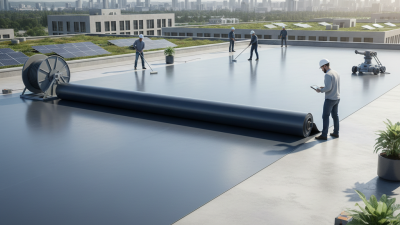
One common type is liquid-applied membranes. These membranes provide seamless coverage. They are ideal for complex shapes and detailing. Liquid membranes are often preferred for their adaptability. On the other hand, sheet membranes come in pre-formed rolls. They offer simplicity in installation but may require meticulous seam sealing. They usually perform well in larger, flat areas.
Additionally, there are bentonite clay membranes. These are natural and environmentally friendly. When wet, they swell to create a barrier. However, they may not be suitable for all applications. Each option has potential drawbacks. You might face challenges during installation or performance over time. Choosing the right membrane requires careful consideration of the project’s unique requirements. A lack of research can lead to inadequate protection against water damage.
Key Factors to Consider When Choosing Waterproofing Membranes
Choosing the right waterproofing membranes is crucial for any construction project. First, consider the material type. There are various options, including bituminous, PVC, and EPDM. Each type has unique properties that can affect performance. Bituminous membranes offer excellent waterproofing but can be less flexible. PVC is durable and easy to install, while EPDM is highly resistant to weather and UV exposure. Each option may serve specific needs.
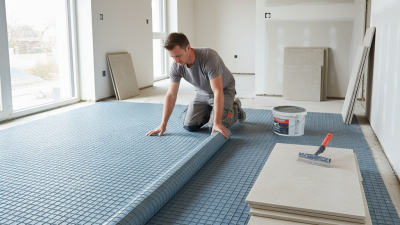
Next, assess the installation method. Some membranes require specialized skills or equipment. Simple installation may appeal to DIY enthusiasts, while others might need professional assistance. If a project is in a challenging location, flexibility in design becomes essential. Consider how the membrane interacts with other building materials as well. Compatibility is often overlooked but can lead to future issues.
Lastly, evaluate the long-term reliability of each option. Check for warranties and manufacturer recommendations. These factors can provide insights into durability and performance expectations. It’s important to remember that a lower upfront cost can sometimes result in higher long-term expenses. Making an informed decision based on these criteria can enhance the overall success of waterproofing efforts.
Best Waterproofing Membrane Options for Global Buyers
This chart illustrates the durability of various waterproofing membrane options available to global buyers. The data represents the average lifespan in years for each membrane type, helping buyers make informed decisions based on their specific needs and environmental conditions.
Comparative Analysis of Popular Brands and Products
When considering waterproofing membranes, it's vital to understand the various options available for global buyers. The market presents a variety of products, each with unique features. Some membranes are liquid-applied, providing seamless protection, while others are sheet-based, offering durability. The choice often depends on specific project needs, environmental conditions, and budget constraints.
Product performance varies widely. Some membranes excel in resistancing vapor transmission, which is crucial in humid climates. Others are better suited for low-temperature applications. Important considerations include adherence properties and resistance to chemical exposure. A common oversight is failing to account for local climate conditions, which can significantly impact the membrane's longevity.
While many consumers assume all membranes work the same, this is not accurate. A product that performs well in one setting may falter in another. It’s wise to analyze user reviews and technical data closely. Questions around installation techniques and compatibility with other building materials often arise. Striking a balance between cost and performance remains a challenge for many buyers.
Installation Techniques and Best Practices for Membrane Applications
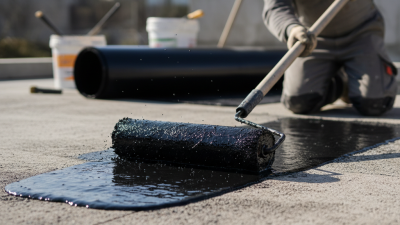
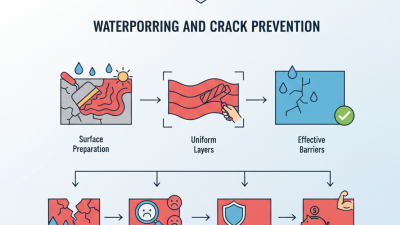
Choosing the right installation technique for waterproofing membranes is crucial. Proper surface preparation is the foundation of success. Ensure surfaces are clean, dry, and free from debris. Even minor imperfections can lead to future leaks. Applying primers can enhance adhesion. This step is often overlooked but makes a significant difference in performance.
When installing the membrane, apply it smoothly to avoid wrinkles or bubbles. These imperfections can create weak points. Use appropriate tools for precise cutting and fitting. Pay attention to seams, as they are vulnerable areas. Seam sealing is essential to create a continuous barrier. Overlapping seams should be at least 4 inches. However, sometimes this guideline isn’t strictly followed, which can be an error in the installation.
Post-installation, it’s wise to conduct water tests. This step may seem redundant but can reveal unseen issues. Inspect regularly for any signs of wear or damage. Maintenance is ongoing and often neglected. Being vigilant about these aspects ensures long-lasting protection. Proper installation and regular checks can prevent costly repairs down the line.