How to Use Roll On Waterproof Membrane Effectively?
When it comes to protecting your structures from moisture, a roll on waterproof membrane is a valuable tool. Its simplicity in application makes it a preferred choice for both professionals and DIY enthusiasts. However, to achieve the best results, knowing how to use this product effectively is crucial.
A roll on waterproof membrane can offer long-lasting protection. Yet, users often overlook preparation steps, which can lead to problems. Proper surface cleaning and priming are essential for adhesion. Many people assume that the product alone is enough. In reality, attention to detail during application can make a significant difference.
Moreover, understanding the right conditions for application is vital. Weather can impact the performance of the membrane. Applying it in extreme temperatures might not yield the desired results. While it's easy to apply, the process requires focus and care. Reflecting on past experiences can enhance future applications, ensuring the membrane behaves as expected.
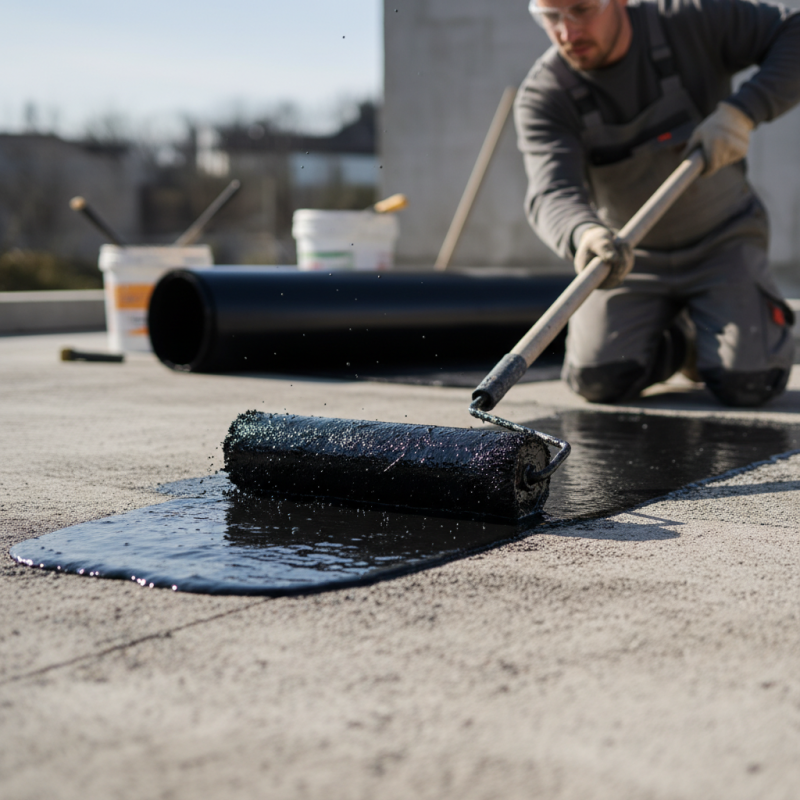
Types of Roll On Waterproof Membranes and Their Applications
When considering waterproofing solutions, roll-on membranes are a popular choice. Various types serve different applications in construction. These membranes can be categorized mainly into both polyurethane and asphalt-based varieties. Each type offers unique properties suitable for different environments.
Polyurethane membranes are flexible and durable. They often withstand temperature changes and UV exposure. According to a report by the Construction Industry Institute, using a polyurethane membrane can increase longevity by up to 30% compared to traditional methods. Conversely, asphalt-based membranes are more cost-effective and easier to apply. They are commonly used in flat roofs and below-grade waterproofing.
Tip: Always prepare your surface thoroughly before application. A clean, dry surface ensures better adhesion and performance.
It's crucial to assess the specific needs of your project. Roll-on membranes may not work optimally on all substrates. In cases of high moisture levels, for instance, these membranes can fail if not properly applied. Ensuring proper curing time is essential for effectiveness and durability.
Tip: Monitor weather conditions before application. Rain or humidity can compromise the adhesion of roll-on membranes.
Essential Preparation Steps Before Applying Waterproof Membrane
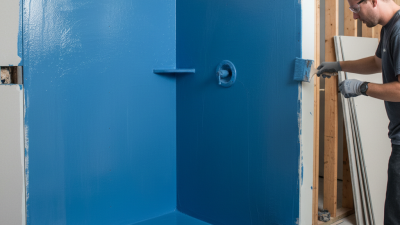
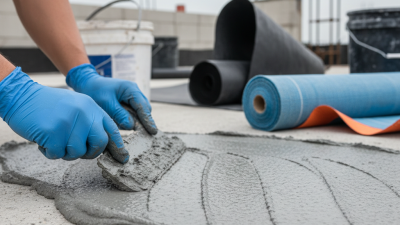
Before applying a roll-on waterproof membrane, proper preparation is essential. Start by cleaning the surface thoroughly. This means removing dirt, dust, and any debris. A clean surface ensures that the membrane adheres securely. If there are cracks or holes, repair them first. This step is vital; ignoring it can lead to future leaks.
Next, check the moisture level of the surface. High moisture can affect adhesion. Use a moisture meter if available. If the surface is too damp, wait for it to dry. Applying the membrane on a damp surface might compromise its effectiveness.
Consider the temperature during application. Extreme cold or heat can cause problems. Ideally, temperatures should be moderate. Applying the membrane in the wrong conditions can lead to an improper seal. Lastly, read the manufacturer's instructions carefully. Each product may have unique requirements. Ignoring these can result in mistakes.
Best Practices for Applying Roll On Waterproof Membrane for Durability
Applying roll on waterproof membrane properly is essential for ensuring long-lasting protection against water damage. According to recent industry reports, nearly 70% of waterproofing failures are attributed to improper application. This highlights the importance of preparation and technique.
Ensure the surface is clean and free from debris. Any dirt particles can compromise the bond. Surface irregularities should be addressed beforehand. A smooth, even base will enhance adhesion and prevent future failures. Additionally, temperature plays a crucial role; ideal conditions fall between 50°F to 90°F for optimal application. In colder weather, the membrane might not cure correctly, leading to issues over time.
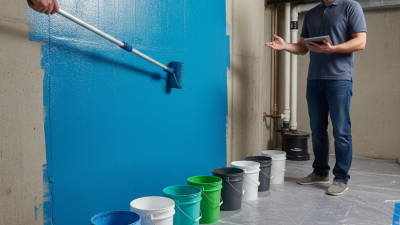
When applying the membrane, use a consistent method. Overlap seams by at least six inches to prevent water infiltration. Recovery of the roller every few strokes can improve coverage. Remember, too much pressure can cause the product to ooze out. It’s a balance of technique and awareness. Finally, allow the membrane to cure fully before exposure to moisture. Reports indicate that uncured membranes are less effective, making this step vital for long-term durability.
Waterproof Membrane Application Best Practices
Measuring and Analyzing Coverage Rate for Effective Applications
When applying roll-on waterproof membrane, measuring coverage rate is crucial. A consistent application ensures optimal protection against moisture. First, determine the square footage of the area you need to cover. This measurement will guide you in calculating the necessary amount of membrane. Remember, uneven surfaces may require more product.
Tips: Use a measuring tape for precise measurements. This can save material and money. Always check for any gaps or air pockets during application. These can lead to vulnerabilities in waterproofing.
After measuring, analyze the coverage rate of your membrane. It is essential to understand how much one gallon covers. Typically, a gallon can cover around 100 square feet at a thickness of 15 mils. Adjust your application technique based on this rate. If your coverage seems lacking, reevaluate your method.
Tips: Mark areas that need extra attention. A brush may help apply more product in tricky spots. Regularly inspect your application for consistency; it’s easy to overlook details. Consider practice runs on a small area first. This will help avoid pitfalls in larger projects.
Common Mistakes to Avoid When Using Waterproof Membrane Products
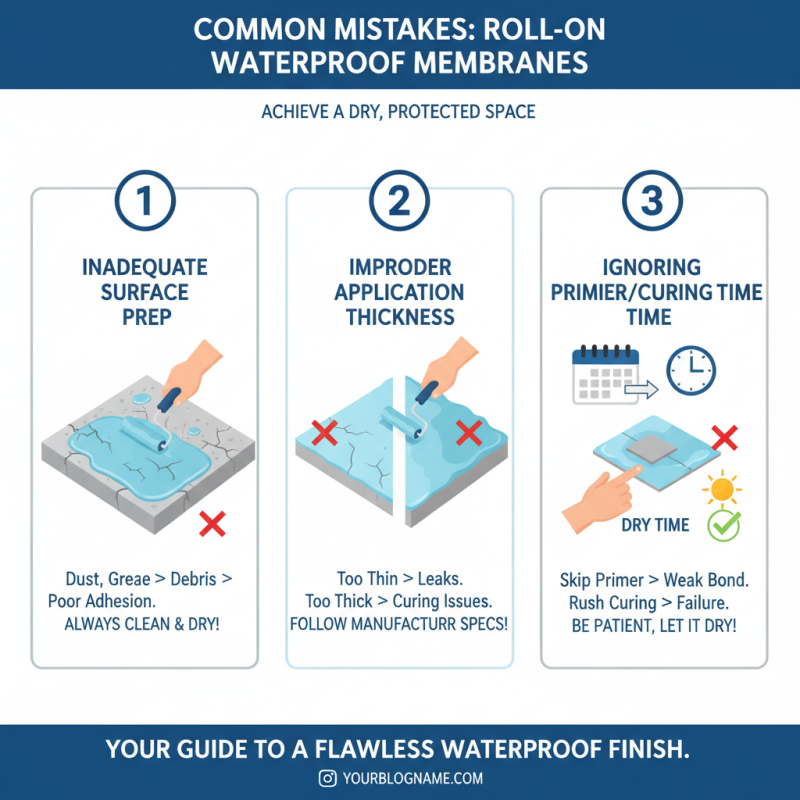
Using roll-on waterproof membranes can be effective if applied correctly. However, many users make common mistakes that can lead to future problems. One major issue is inadequate surface preparation. The surface needs to be clean and dry. Dust, grease, and any debris can prevent proper adhesion. Skipping cleaning can diminish the membrane’s waterproofing capabilities.
Another frequent error is neglecting to apply the product at the recommended thickness. Reports show that membranes under-applied can fail under pressure, leading to leaks. Aim for uniform coverage, as uneven layers can compromise the waterproofing effect. A study indicated that at least 30% of waterproofing failures come from incorrect application thickness.
**Tip**: Always check the product guidelines for specific thickness and drying time. Conditions like temperature and humidity can affect drying, too.
Finally, overlapping seams is critical, but many overlook this step. Failing to overlap can create weak points. It’s essential to follow the manufacturer's guidelines on seam treatment for maximum protection. Consider using a roller to smooth out the surface and eliminate air bubbles.
**Tip**: Inspect your work after application. Look for inconsistencies and correct them before they become larger issues.