Why Choose Redgard Waterproofing Membrane for Your Projects?
In the construction industry, selecting the right materials is crucial for successful projects. The "Redgard waterproofing membrane" stands out as a top choice for many professionals. According to David Smith, a renowned waterproofing expert, "Redgard creates an effective barrier against moisture, ensuring durability in building applications." This highlights its importance in various construction settings.
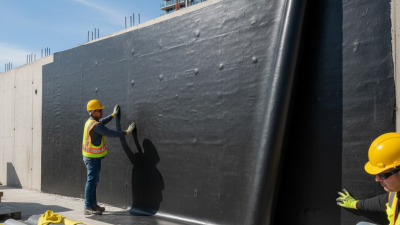
Redgard waterproofing membrane is known for its flexibility and ease of application. It's particularly effective in areas prone to water exposure, like bathrooms and outdoors. Experienced contractors appreciate how quickly it can be installed. It provides a reliable solution that protects against leaks and damage. However, some professionals express concerns about installation techniques, which can vary based on different environments.
Exploring the advantages and drawbacks of Redgard is important. While it offers strong protection, improper application can lead to complications. Ensuring that the surface is properly prepared is essential for optimal performance. In summary, Redgard waterproofing membrane is a valuable product, but like any material, its effectiveness relies on proper installation and consideration of specific project conditions.
Benefits of Using Redgard Waterproofing Membrane in Construction Projects
When it comes to waterproofing solutions in construction, Redgard waterproofing membranes stand out. They are designed to provide a reliable barrier against moisture. Statistics show that around 37% of structural damage is due to water infiltration. This highlights the importance of effective waterproofing.
Utilizing a waterproofing membrane can dramatically reduce repair costs. According to a report by the National Association of Home Builders, water damage can result in expenses exceeding $100,000. Engineers and contractors often cite the durability of membranes like Redgard as key in preventing leaks and mold growth. Many projects face delays due to water-related issues, leading to lost time and money.
Despite their advantages, not all membranes perform equally. Some areas may require additional treatments or coatings. Proper installation is crucial. Misapplication can lead to failures. Understanding the environment and specific project needs is essential for ensuring the best results.
Key Features That Make Redgard Stand Out from Other Waterproofing Options
Waterproofing membranes are essential in construction. Redgard is notable for several key features that make it a preferred choice among professionals. Its unique liquid formulation allows for easy application. This results in a seamless bond that can effectively prevent water penetration. According to industry reports, over 40% of construction failures stem from water-related issues, underscoring the importance of quality waterproofing solutions.
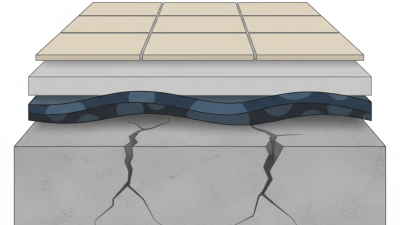
One significant advantage of this membrane is its flexibility. It can accommodate building movements, which is crucial in areas with changing temperatures. This feature significantly reduces the risk of cracking. Moreover, it offers excellent resistance to mold and mildew, enhancing durability. Research indicates that mold can grow within 48 hours in damp environments. Therefore, selecting a reliable waterproofing option is vital in preventing health hazards.
Additionally, the curing time is relatively fast. It allows for quicker project completion. On average, projects using Redgard can see a reduction in installation time by up to 30%. In an industry where time and efficiency matter, this benefit cannot be overlooked. However, attention to detail during the application process is still crucial. Any errors can compromise the membrane's effectiveness, leading to costly repairs and delays down the line.
Why Choose Redgard Waterproofing Membrane for Your Projects? - Key Features That Make Redgard Stand Out from Other Waterproofing Options
| Feature |
Description |
Benefits |
| Ease of Application |
Can be applied using a brush, roller, or trowel. |
Saves time and labor costs. |
| Versatility |
Suitable for a variety of surfaces including concrete, drywall, and masonry. |
Can be used in numerous applications. |
| Fast Drying Time |
Dries to the touch quickly, usually within 1-2 hours. |
Reduces project downtime. |
| Flexible Membrane |
Maintains elasticity even after drying. |
Accommodates structural movements without cracking. |
| Mildew and Mold Resistant |
Inhibits the growth of mildew and mold on the surface. |
Ensures healthier living environments. |
| High Performance |
Delivers superior waterproofing in high-stress areas. |
Enhances durability and longevity of structures. |
Applications and Versatility of Redgard Waterproofing Membrane
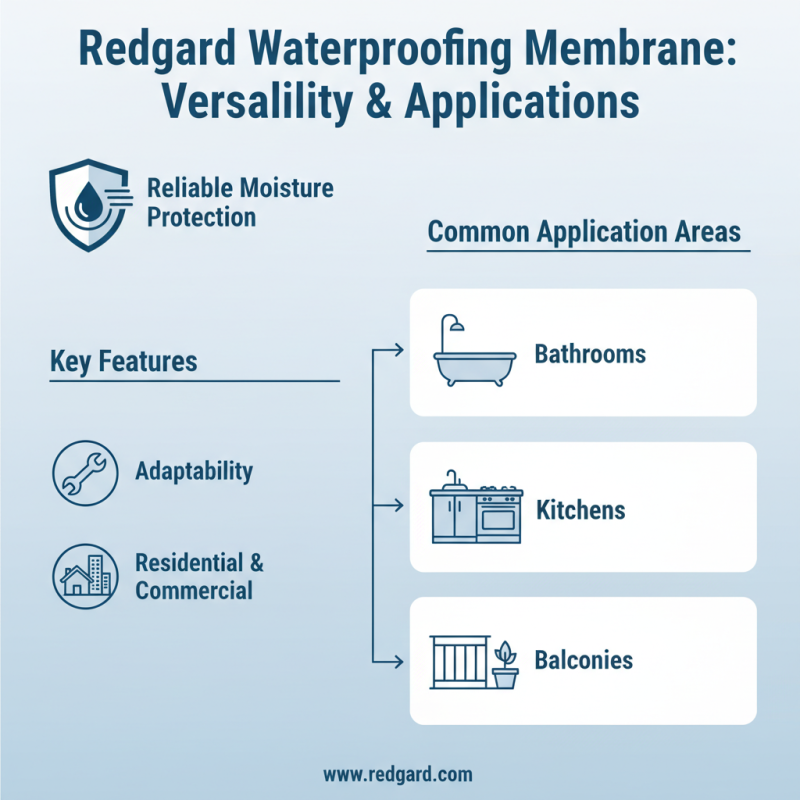
When selecting a waterproofing membrane, versatility and application area are critical. Redgard membranes are known for their adaptability across various project types. This membrane is suitable for both residential and commercial structures, ensuring reliable moisture protection. It can be used in areas like bathrooms, kitchens, and even on balconies.
The effectiveness of the Redgard system can be observed in industry reports. According to a study published by the American Society of Testing and Materials, effective waterproofing reduces the risk of mold by up to 90%. The multifunctional design of this membrane allows it to bond well with different substrates, enhancing its effectiveness. Its application is not limited to simple surfaces; it successfully adheres to cement backer board, drywall, and even existing tile.
While the versatility is apparent, there are challenges. Notably, proper installation is essential. Insufficient thickness or application in cold conditions can lead to performance issues. Further, for projects requiring eco-friendly solutions, the environmental impact of waterproofing materials should be evaluated. This aspect reflects the ongoing need to consider not just the waterproofing benefits, but the long-term sustainability of materials used in construction projects.
Installation Process: How to Properly Use Redgard for Maximum Effectiveness
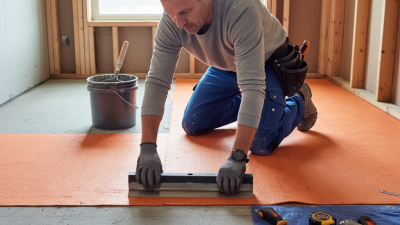
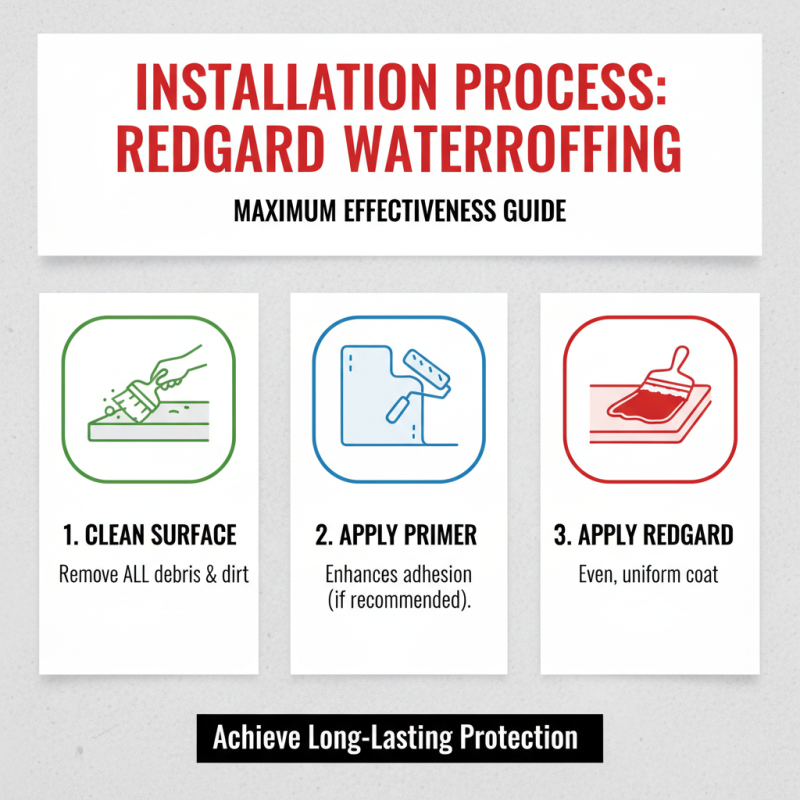
To achieve maximum effectiveness when using a waterproofing membrane, the installation process is crucial. Start by ensuring that your surface is clean and free of debris. A clean surface helps the membrane adhere properly, preventing future issues. Apply a primer if recommended. This step can enhance adhesion, ensuring long-lasting protection.
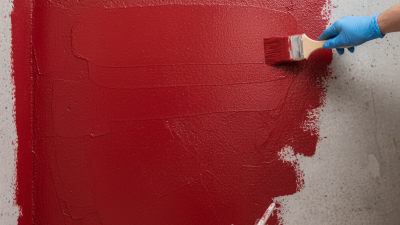
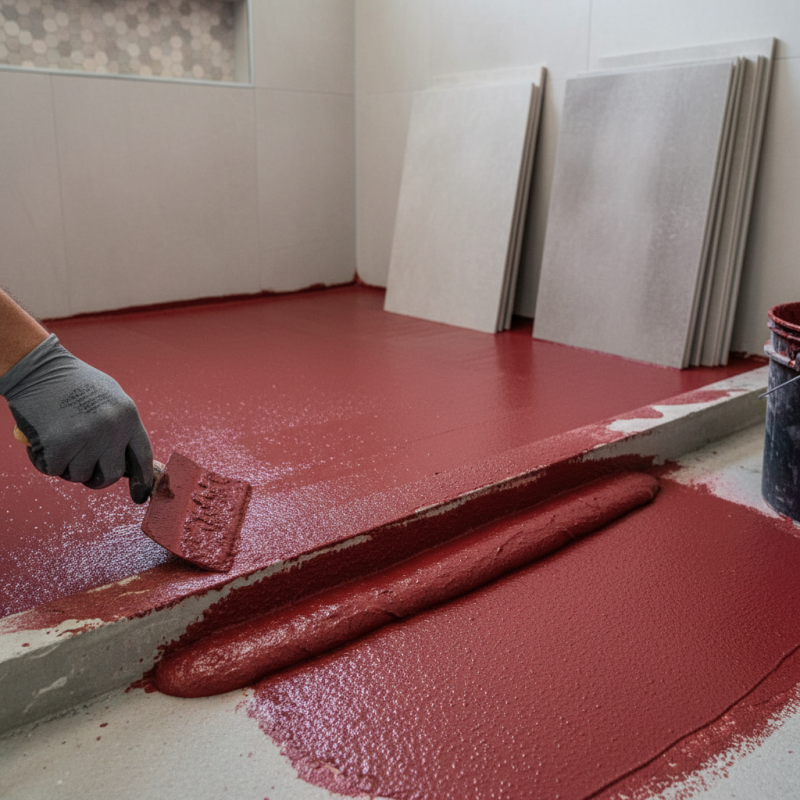
When applying the membrane, use a roller or brush for even coverage. Be mindful of overlapping seams; they should be at least 2 inches wide for optimal performance. Watch for bubbles during installation. These can compromise the waterproofing integrity. If you spot any, they must be smoothed out immediately.
Tips for a successful installation include allowing the membrane to cure adequately. Follow drying time recommendations closely. Temperature and humidity can affect cure time. Testing the membrane after application can also help identify any weak areas. Ensure that the membrane is fully cured before exposing it to water. Be patient; rushing this process may lead to failures. Always take precautions, as an improperly installed membrane can lead to moisture issues later.
Maintenance and Longevity of Redgard Waterproofing Membrane Solutions
When discussing the maintenance and longevity of waterproofing membranes, it’s crucial to recognize their pivotal role in construction. A quality waterproofing solution protects against moisture, which can lead to significant structural damage. Regular maintenance of these membranes ensures they perform effectively over time. A quick inspection every few months can catch potential issues early.
Though these membranes are durable, they are not infallible. Environmental factors, such as UV exposure and temperature fluctuations, can affect their lifespan. Minor cracks or separations could appear with time, signaling a need for repair or replacement. Homeowners and contractors should be proactive, understanding that neglecting small issues can spiral into larger ones.
Choosing a membrane that allows for easy application and maintenance can reduce long-term costs. Some products may require specific cleaning methods to retain effectiveness. It's essential to follow best practices for maintenance. This requires a commitment to learning and adapting techniques as needed. Planning for regular upkeep can save time and money in future projects.
Maintenance and Longevity of Waterproofing Membranes