How to Choose the Best Anti Crack Membrane for Your Project?
Choosing the best anti crack membrane for your project can be challenging. According to industry expert Dr. Emily Chen, "Selecting the right anti crack membrane can make a significant difference in durability and performance." Her insights highlight a critical aspect of construction projects.
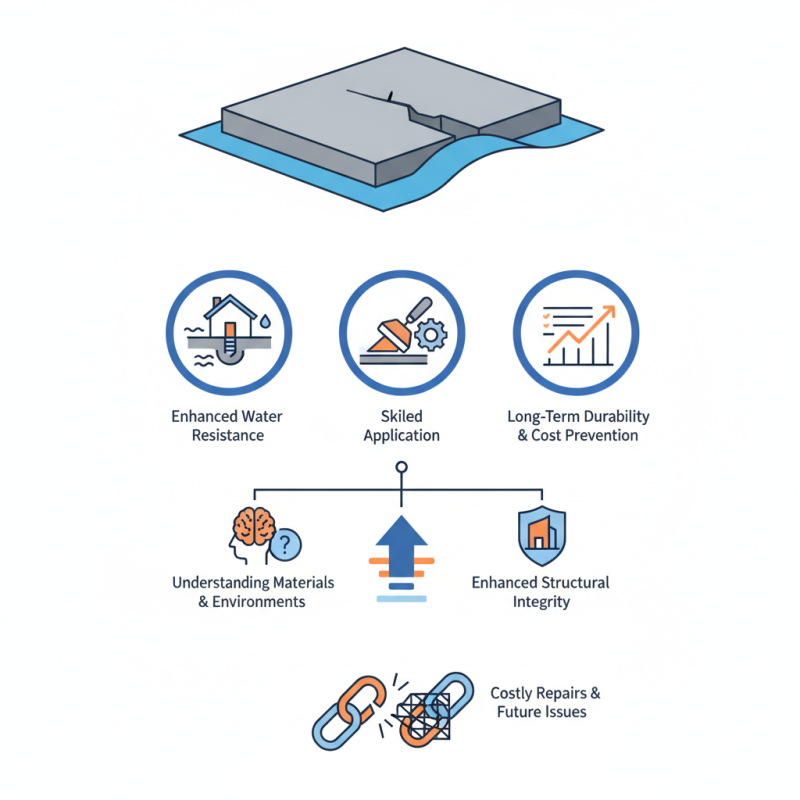
The right anti crack membrane can prevent costly repairs. It requires an understanding of various materials and application techniques. Different environments may necessitate different membrane types. For example, basements may need membranes with enhanced water resistance. Choosing poorly can lead to issues down the line.
Clients often overlook the importance of proper installation. A well-installed anti crack membrane can enhance structural integrity. This process needs skilled professionals who understand the nuances. Sometimes, mistakes in choice or application can lead to cracking. The consequences of these errors may not be evident immediately, but they can be severe. Understanding these factors is essential for any construction project.
Understanding Anti Crack Membranes and Their Importance in Construction
Anti-crack membranes play a crucial role in construction projects. They help prevent the formation of cracks in concrete and other surfaces, which can lead to costly repairs and structural issues. Choosing the right membrane requires a solid understanding of its properties and applications. This understanding is essential for ensuring the longevity of your project.
These membranes come in various types. Some are flexible, while others are rigid. A flexible membrane may better suit areas with temperature fluctuations. Rigid options may provide stronger support in static conditions. It’s important to analyze your specific project needs before making a choice. Evaluating factors like substrate type, environmental conditions, and application methods can lead to better outcomes.
Even experienced builders can overlook the complexity of these products. Missteps in selection can compromise the project's integrity. For instance, using an inappropriate membrane can lead to diminished performance. Reflection on past projects reveals the importance of choosing the right material. Careful consideration and research can prevent future challenges.
Identifying Key Factors in Selecting the Right Anti Crack Membrane
Choosing the right anti-crack membrane for your project requires careful consideration. One crucial factor is the type of substrate you are working with. Different membranes bond better with specific surfaces. For example, concrete and masonry require distinct treatments. This can significantly affect adhesion and performance.
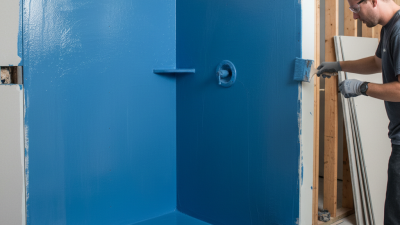
Another aspect to consider is the environmental conditions. If the area experiences high moisture, a water-resistant membrane is essential. Pay attention to product specifications regarding temperature tolerance as well. Many membranes are graded for specific climates, and misjudging this can lead to issues over time.
It's important to evaluate the membrane's durability. Some products offer higher resistance to cracking and wear. However, these may come at a higher cost. Finding a balance between price and quality can be challenging. Observing user feedback and reviews might reveal strengths and weaknesses you hadn’t considered. Ultimately, don’t rush your decision. Take the time to gather information, and consult experts if needed.
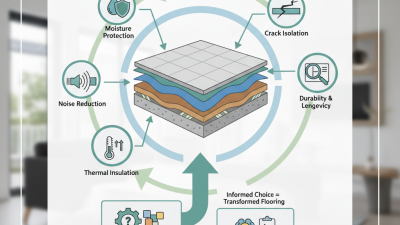
Factors to Consider When Choosing an Anti Crack Membrane
Comparing Different Types of Anti Crack Membranes Available on the Market
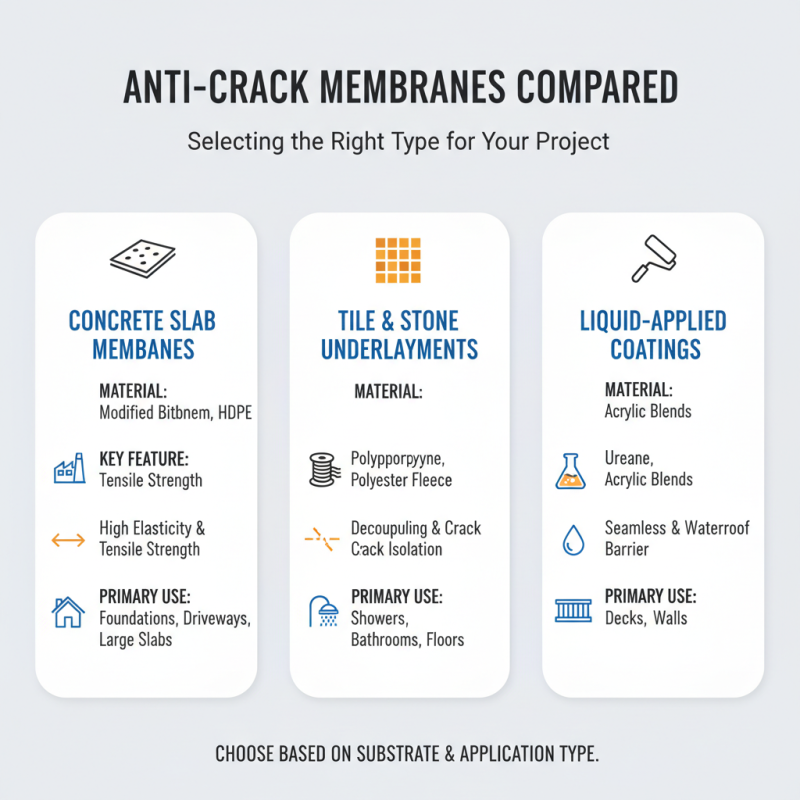
When selecting an anti-crack membrane, it’s essential to evaluate the various options available. Each type serves a specific purpose. Some membranes are designed for concrete applications, while others cater to tile or stone installations. Their composition often dictates their effectiveness in preventing cracks.
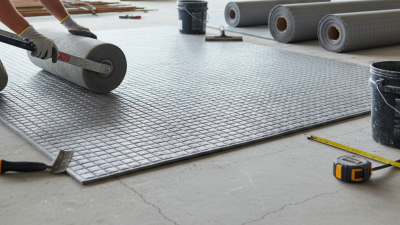
Polymer-modified membranes offer flexibility, allowing for movement without compromising integrity. In contrast, sheet membranes provide robust protection against water intrusion. However, they can be more challenging to install, possibly affecting overall project timelines. Self-adhesive membranes simplify the application process, yet their long-term durability may require further investigation.
It's also vital to consider the specific conditions of your project. For instance, high moisture areas may necessitate a different approach than dry environments. Testing different products in a controlled setting can reveal how they react over time. Ensuring the chosen membrane aligns with local regulations is crucial for maintaining safety and quality standards.
Evaluating Performance and Durability of Anti Crack Membranes
Choosing the right anti-crack membrane involves careful evaluation of performance and durability. These membranes are crucial in preventing concrete cracks due to environmental factors or structural stress. According to a report by the American Concrete Institute, nearly 90% of concrete structures experience cracking over time. This statistic emphasizes the need for effective solutions.
When assessing anti-crack membranes, consider their tensile strength and elongation properties. A study by the Cement and Concrete Research journal highlighted that membranes with a minimum tensile strength of 200 psi can significantly reduce crack-induced failure. Additionally, membranes that can elongate up to 300% show better adaptability to structural movements, thus enhancing longevity.
It's also vital to examine adhesion properties. Membranes that exhibit poor adhesion can lead to early delamination, which compromises their effectiveness. Industry experts suggest that adhesion testing be a mandatory step during selection. Reflective practices, such as consulting customer feedback and performance test results, can also guide decision-making. Each project’s unique requirements should drive the choice of membrane; a one-size-fits-all approach may lead to inadequate protection against cracking.
Budgeting and Cost Considerations for Your Anti Crack Membrane Project
When budgeting for an anti-crack membrane project, start by assessing your specific needs. Consider the project's size and the membrane's application. Different projects require varying types and thicknesses of membranes. These factors can greatly impact your overall costs.
Keep in mind that while cheaper options might seem appealing, they often lack durability. It’s essential to weigh immediate savings against long-term performance. Sometimes, investing a bit more can prevent costly repairs down the line. Also, factor in installation costs. A high-quality membrane may require professional installation, which adds to your budget.
Finally, don't overlook the potential for unexpected expenses. Changes in project scope or material shortages can increase costs. Always leave room in your budget for these unforeseen issues. Reflect on your priorities. A balance between quality and affordability is crucial for project success.