



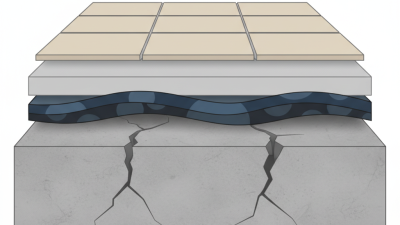
An underlayment membrane is a protective layer installed beneath a finished surface, such as roofing shingles, tiles, or flooring. It can help manage moisture, reduce air or water infiltration, and protect the underlying structure during installation and everyday use. The exact job depends on the product. A roofing membrane beneath shingles is not interchangeable with a membrane designed for a bathroom floor.
Details matter. On a roof, the pitch, local weather, and roof covering influence the choice. Under tile, the substrate, movement, and exposure to water are important. Some membranes are self-adhering; others are mechanically fastened or set into mortar. A small tear near a roof edge or a poorly sealed floor seam can undermine an otherwise careful installation. Installation instructions are not fine print to ignore.
Which type is best? There is no universal winner. Synthetic roofing underlayments, asphalt-saturated felt, and self-adhered membranes each suit different conditions. For tile and wet areas, uncoupling or waterproofing membranes may be appropriate, depending on the system and substrate. Names can be confusing, and products that sound similar may serve different purposes. Check the manufacturer’s technical data, compatibility requirements, and installation details before choosing. When the assembly is complex, ask a qualified roofer or flooring professional to assess it. A product’s impressive label alone does not prove it fits your project. The best underlayment membrane is the one matched to the surface, exposure, and installation method—with no skipped seams or guessed details.
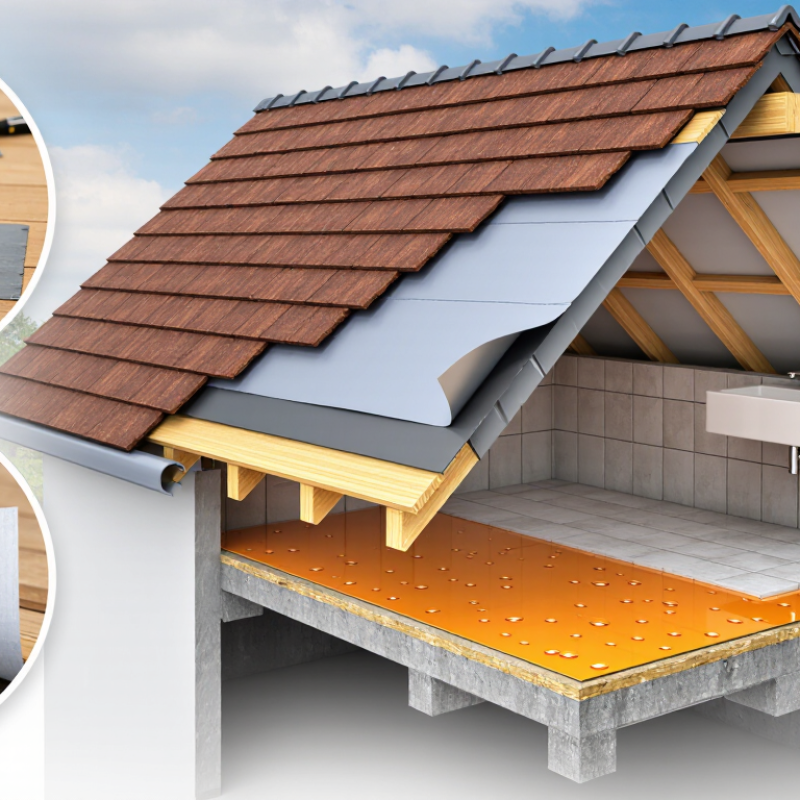
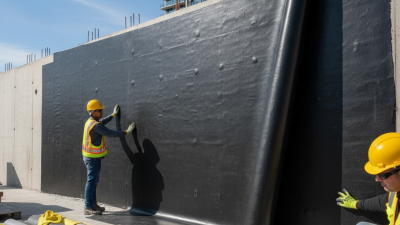
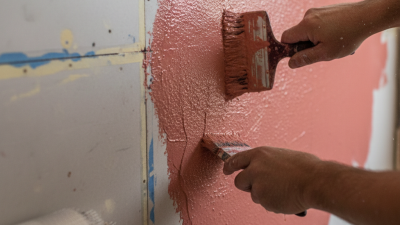
A roofing underlayment membrane is a protective sheet installed over roof sheathing and beneath shingles, tiles, or metal panels. It helps shed water that slips past the outer covering, protecting the deck during wind-driven rain or installation. It is a backup. It does not waterproof a roof by itself; flashing, correct overlaps, and drainage remain essential. On site, installers roll or bond the membrane across the deck, keeping seams aligned and smoothing wrinkles that could affect the finished surface.
Requirements depend on roof covering and pitch. The 2021 International Residential Code, Section R905.2.2, specifies double-layer underlayment beneath asphalt shingles on slopes from 2:12 up to 4:12. This is a useful field reference, not a universal rule for every roof or jurisdiction. ASTM D1970/D1970M covers self-adhering polymer-modified bituminous sheets used for ice-dam protection. These membranes are designed to seal around fasteners when installed under appropriate conditions. Not the roof itself. A poorly lapped valley or missed detail can still admit water, and that risk is easy to underestimate.



Copyright © CUSTOM Building Products 2025
Products | Resources | Interactive Tools | Warranties | Privacy Policy | Terms of Use | Technical Training
