Essential Tips for Choosing the Best Tile Shower Membrane?
Choosing the right tile shower membrane is crucial for a successful bathroom renovation. This decision impacts both durability and performance. A tile shower membrane protects your home from water damage and mold growth. It serves as a barrier between your tiles and the underlying structure.
With so many options available, it can be overwhelming. Not every membrane is built the same. Some are more effective in specific environments. Understanding moisture levels in your area is essential. Additionally, the installation process can vary based on the membrane type.
Considerations like weight, flexibility, and compatibility with materials matter. Each choice has unique attributes that may or may not suit your needs. You may find yourself reflecting on the long-term implications of your selection. Proper research and expert advice can help clarify your options. Making an informed decision is key to ensuring your shower stands the test of time.
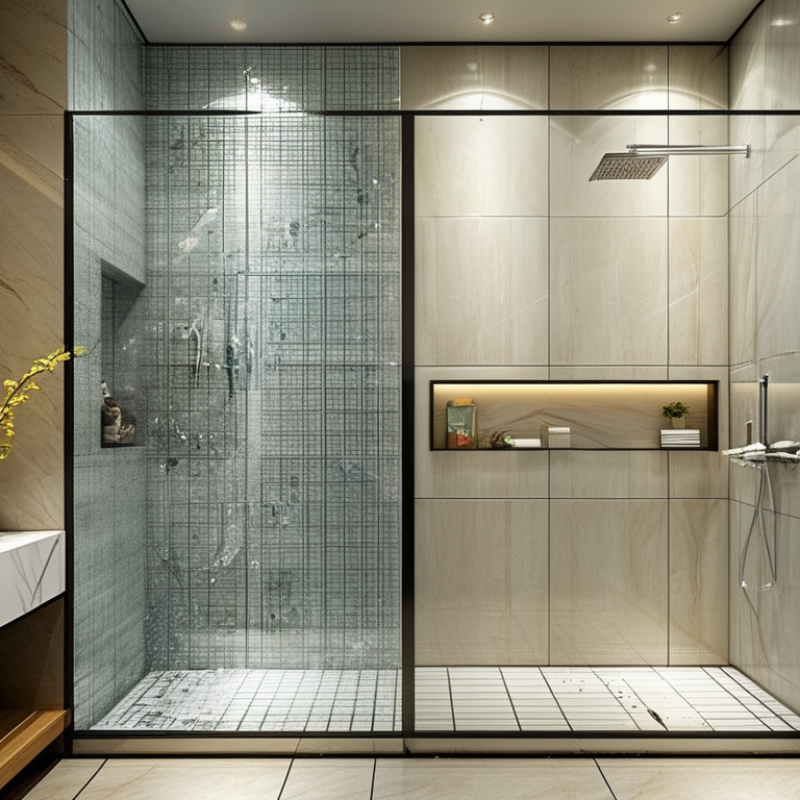
Understanding Different Types of Tile Shower Membranes Available
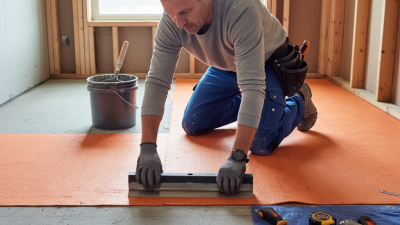
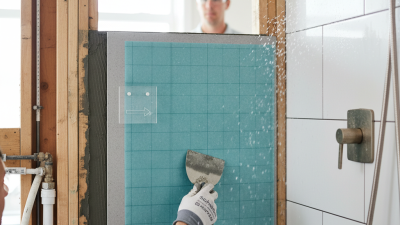
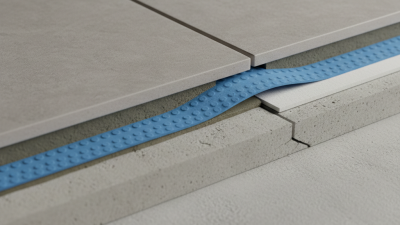
Choosing the right tile shower membrane is crucial for a long-lasting and leak-proof installation. Several types are available, each with its unique benefits and drawbacks. Sheet membranes are popular for their ease of installation. These large rolls can cover a wide area, reducing seams where water might infiltrate. However, they may not conform seamlessly to complex layouts.
Liquid membranes provide another option. They can be painted or rolled on, forming a continuous layer over the substrate. This method allows for flexibility and can easily adapt to odd shapes. Still, it's essential to apply them correctly. Any missed spots can lead to issues down the line.
Another common choice is the rubber membrane. This option is known for its durability and resistance to heavy moisture. It can handle rigorous conditions, but careful handling is necessary during installation. Some users find it tricky to cut and shape accurately. Evaluating these types thoroughly can ensure a better outcome for your tile shower project. Make the choice that best fits your bathroom's specifics and your level of DIY experience.
Essential Tips for Choosing the Best Tile Shower Membrane
| Membrane Type |
Material Composition |
Installation Method |
Cost (per sq ft) |
Lifespan |
Pros |
Cons |
| PVC Membrane |
Polyvinyl Chloride |
Glue-Down |
$1.50 |
20+ years |
Waterproof, Durable |
More expensive than felt |
| CPE Membrane |
Chlorinated Polyethylene |
Glue-Down |
$1.20 |
20+ years |
Flexible, Resistant to UV |
Not as widely available |
| Rubber Membrane |
Synthetic Rubber |
Sheet |
$1.00 |
15-25 years |
Affordable, Easy to Install |
Less durable than PVC |
| Sheet Membrane |
Vinyl |
Watertight Seal |
$1.80 |
25 years |
Seamless, Very Durable |
Requires skilled installation |
Evaluating the Durability and Longevity of Shower Membranes
When selecting a shower membrane, durability and longevity should be top considerations. The right membrane will resist moisture and prevent leaks. It’s essential to assess the material. Some membranes offer high resistance to tears, while others might wear out quickly. Look for materials that withstand temperature variations and shower use.
Installation quality also impacts longevity. Properly installed membranes can last decades, while poor installations can lead to leaks and damage. Always follow guidelines for application. Regular maintenance prolongs durability. Check for signs of wear, such as discoloration or cracks.
The choice of a shower membrane often leads to reflections on past experiences. Some may overlook critical aspects, leading to regrets down the line. Rushing through the selection process can result in dissatisfaction. Taking the time to evaluate all options thoroughly can make a significant difference in the longevity of your investment.
Assessing Waterproofing Capabilities for Optimal Performance
Choosing a tile shower membrane requires careful consideration of waterproofing capabilities. Water damage can lead to costly repairs, making this aspect crucial. According to a report by the National Association of Home Builders, approximately 14% of homeowners reported issues related to water intrusion. This statistic underlines the importance of investing in reliable waterproofing solutions.
When assessing waterproofing performance, look for materials that comply with industry standards. Membranes should meet the ASTM D7279 criteria, ensuring they prevent water penetration and withstand pressure over time. Many membranes can be classified as either sheet or liquid-applied, each offering unique benefits. Sheet membranes provide a robust barrier. Liquid-applied options allow for seamless application, filling small gaps.
Installation errors can compromise even the highest-quality membranes. Proper preparation of the substrate is vital. According to the International Building Code, surfaces must be clean and dry before applying membranes. Regular inspections post-installation are essential. Monitor for signs of leakage or wear, as early detection can prevent extensive damage. This proactive approach can significantly extend the lifespan of your shower installation.
Considering Installation Requirements and Maintenance Needs
When choosing a tile shower membrane, installation requirements and maintenance needs are crucial considerations. A proper membrane ensures water doesn't seep through the walls or floor. Ensure the membrane is compatible with your chosen tile and adhesive. This compatibility is essential to prevent mold and damage.
Installation can often be tricky. You might encounter unexpected curves or fixtures in your shower that complicate the process. Having a professional help with the installation may be beneficial. On the other hand, DIY enthusiasts might relish the challenge, but should remain mindful of potential pitfalls. Mistakes during installation can lead to costly repairs later on.
Maintenance is another key factor. Some membranes require less upkeep than others. For instance, flexible membranes may tolerate minor shifts in the structure better than rigid options. Regular checks for cracks or signs of wear can prolong the life of your shower. A proactive approach can save time and money in the long run. Understanding these elements helps in selecting a membrane that not only fits your design but also meets practical needs.
Essential Tips for Choosing the Best Tile Shower Membrane
Comparing Cost-Effectiveness of Various Tile Membrane Options
When selecting a tile shower membrane, cost-effectiveness is crucial. A variety of membrane options are available, each with unique properties and price points. Vinyl membranes are often more affordable upfront, making them a popular choice. However, their longevity may not match that of other materials. Moreover, the installation process can affect overall costs. Budget considerations should also include the lifespan of the chosen material.
Cement board membranes, while pricier, offer durability and less likelihood of water damage. They require a more skilled labor force, escalating total project costs. On the other hand, liquid membranes can provide seamless protection. However, initial expenses might deter some homeowners. Evaluating these factors ensures the best financial decision.
The effectiveness of a tile membrane isn't solely about the price tag. Quality must align with project goals. A cheaper option may lead to repairs and replacements, ultimately increasing costs over time. Consider the specific conditions of your bathroom. Will it face high humidity? Choosing wisely ensures both cost-effectiveness and lasting performance. Prioritize your needs and budget for a satisfactory outcome.