
The 2026 waterproofing market is becoming more specification-driven, not simply product-driven. Grand View Research’s Waterproofing Membranes Market report identifies construction growth, renovation demand, and infrastructure investment as major market influences. Its analysis also shows that performance requirements increasingly shape purchasing decisions. This matters when comparing paint on waterproof membrane suppliers across regions.
Market figures vary between research firms. MarketsandMarkets and Fortune Business Insights report continued expansion in waterproofing materials, but their forecasts use different definitions and base years. That difference deserves attention. A supplier list can look precise while hiding inconsistent data. Serious buyers should verify technical datasheets, factory certifications, warranty conditions, and local compliance records.
A reliable 2026 supplier should demonstrate more than attractive packaging. Its coating should maintain adhesion after repeated wetting, temperature changes, and substrate movement. On a roof deck, the real test may be a small crack beside a drain. In a basement, it may be hydrostatic pressure after heavy rainfall. Application details also matter, including primer selection, wet-film thickness, curing time, and repair procedures. The American Society of Civil Engineers’ infrastructure assessments underline the cost of delayed maintenance, reinforcing the value of durable waterproofing systems.
No ranking is perfect. Supplier capability can change quickly. This guide therefore compares manufacturers through documented experience, laboratory evidence, production capacity, installer support, and transparent customer feedback. The strongest candidates are not always the cheapest. They are the companies that can explain performance clearly, support difficult projects, and accept scrutiny when field results fall short.
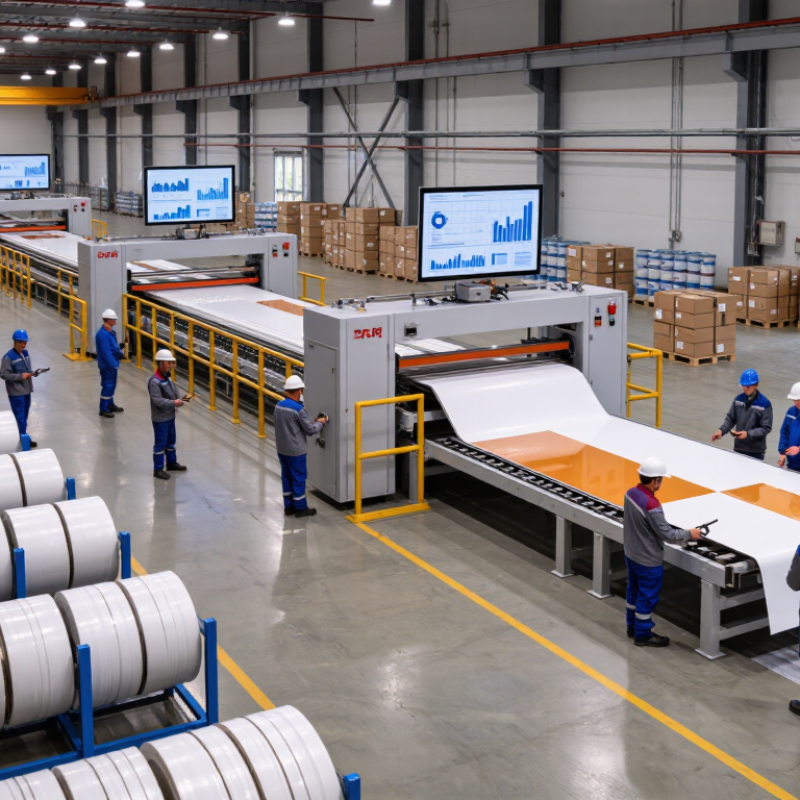
Paint-on waterproof membrane is a liquid coating that cures into a continuous, flexible barrier. It is brushed, rolled, or sprayed onto concrete, masonry, balconies, bathrooms, and below-grade walls. Unlike sheet membranes, it forms around corners and pipe penetrations without many seams. The material usually contains polymers, cementitious powders, or modified bitumen. After curing, it limits water movement through pores and hairline cracks. It is not magic. Substrate preparation still controls the result.
On a prepared slab, I look for clean, sound concrete, open pores, and no standing water. Dust, laitance, oil, and loose mortar can weaken adhesion. Applicators normally repair cracks, reinforce movement joints, then apply two or more coats at right angles.
A wet-film gauge helps confirm thickness instead of trusting appearance. The first coat may look complete while remaining dangerously thin. Curing time depends on temperature, humidity, ventilation, and product chemistry. Rushing tiling or backfilling can damage an otherwise sound membrane.
For buyers comparing top suppliers in 2026, technical evidence matters more than glossy claims. Request test data, installation instructions, safety documentation, batch traceability, and climate guidance. Check resistance to hydrostatic pressure, crack bridging, adhesion, and immersion where relevant. A reliable supplier should explain limits, including ultraviolet exposure, negative-side pressure, and substrate movement. Field samples and mock-ups reveal practical behavior. They may also expose an uncomfortable truth: one coating cannot solve every leakage path. Inspectors should record coverage, curing, and repairs before concealment.
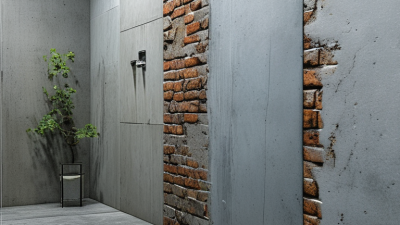
Paint-on waterproof membrane systems protect surfaces where water can enter through pores, joints, and small cracks. They are commonly applied to concrete roofs, balconies, terraces, bathrooms, and basement walls. On a balcony, installers usually reinforce corners, drains, and movement joints before coating the main slab. These details often decide whether the system performs well.
In wet rooms, the membrane forms a continuous layer beneath tiles and around pipes. It helps limit moisture migration into walls and floor structures. Basement walls and retaining structures may also use these coatings, especially when access is limited. Planter boxes benefit from careful application around outlets and internal corners. Roof systems require additional attention to sunlight, standing water, and surface movement.
Application quality matters more than a thick-looking finish. The substrate must be clean, dry, and mechanically sound. Experienced inspectors check film thickness with suitable gauges and record curing conditions. I also compare technical data sheets, batch traceability, compatibility notes, and independent test results when assessing suppliers. Some projects fail because the coating was applied over dusty concrete or during unsuitable weather. It is not a magic fix. I still question whether every surface needs the same membrane design, particularly where vapor pressure, heavy traffic, or repeated movement is expected. A practical specification should match the substrate, exposure, drainage plan, and maintenance access.
| Key Application | Typical Substrate | Common Membrane Chemistry | Recommended System Configuration | Typical Dry-Film Thickness | Important Performance Requirement | Typical Exposure Conditions | Relevant Test or Standard Reference | Primary Selection Considerations |
|---|---|---|---|---|---|---|---|---|
| Below-Grade Foundation Walls | Concrete, reinforced concrete, concrete masonry units | Polymer-modified bitumen, cementitious polymer, or polyurethane | Clean and repair substrate; apply primer when specified; install two membrane coats; protect before backfilling | Approximately 1.5–3.0 mm | Resistance to hydrostatic pressure, soil contact, cracking, and puncture during backfilling | Constant or intermittent contact with damp soil and groundwater | ASTM C836/C836M for elastomeric liquid-applied waterproofing; project-specific water-resistance testing | Substrate moisture tolerance, crack-bridging capability, curing time, and compatibility with protection boards |
| Flat Roofs and Low-Slope Roofs | Concrete, metal, plywood, cement board, existing compatible roofing surfaces | Acrylic, silicone, polyurethane, or elastomeric liquid-applied coating | Prepare and prime substrate; reinforce seams and penetrations; apply multiple coats to achieve continuous coverage | Approximately 0.8–2.0 mm | Resistance to ultraviolet radiation, ponding water, thermal movement, and weathering | Outdoor exposure, rainfall, sunlight, wind, and repeated temperature changes | ASTM D6083/D6083M for liquid-applied acrylic coating; ASTM C1305/C1305M for crack bridging where applicable | UV stability, adhesion, wet-film control, low-temperature flexibility, and maintenance-recoat compatibility |
| Balconies and Terraces | Concrete slabs, cement screeds, masonry surfaces | Polyurethane, cementitious polymer, or flexible acrylic membrane | Repair cracks; form coves at wall-to-floor junctions; reinforce movement joints; apply membrane beneath the wearing surface | Approximately 1.0–2.0 mm | Crack bridging, adhesion under tile or topping systems, and resistance to intermittent standing water | Exterior weather exposure, pedestrian traffic, rain, and freeze-thaw cycles in cold climates | EN 14891 for liquid-applied water-impermeable products beneath ceramic tiling; ASTM C1305/C1305M where applicable | Compatibility with tile adhesives, drainage design, slip-resistant finish, and joint detailing |
| Bathrooms and Wet Rooms | Concrete, cement render, gypsum-based boards rated for wet areas, cement backer boards | Water-based acrylic, cementitious polymer, or polyurethane | Seal corners, pipe penetrations, and joints; apply at least two coats before tile installation | Approximately 0.5–1.5 mm | Water resistance, adhesion to tile-backing substrates, and crack accommodation at joints | Frequent splash water, humidity, cleaning chemicals, and intermittent wetting | EN 14891 for systems installed beneath ceramic tiling; manufacturer-tested water-tightness procedures | Low odor, curing in humid environments, tile-system compatibility, and penetration sealing details |
| Swimming Pools and Water Features | Concrete, cement render, masonry, properly prepared repair mortar | Flexible cementitious polymer or polyurethane membrane | Repair and smooth substrate; reinforce corners and joints; apply multiple coats; install compatible finish system | Approximately 1.5–3.0 mm | Continuous water immersion resistance, crack bridging, adhesion, and resistance to water-treatment chemicals | Permanent immersion, chlorinated or treated water, and hydrostatic pressure | EN 14891 where used beneath ceramic tiling; project-specific immersion and adhesion testing | Immersion rating, chemical compatibility, curing before filling, and suitability for the selected pool finish |
| Parking Decks and Trafficable Areas | Concrete decks, ramps, precast concrete elements | Polyurethane, methyl methacrylate, or specialized elastomeric traffic-deck system | Prepare concrete; prime; reinforce cracks and joints; apply membrane and wear coat; broadcast aggregate where required | Approximately 1.5–4.0 mm | Abrasion resistance, tire traffic durability, crack bridging, skid resistance, and resistance to de-icing salts | Outdoor weather, vehicle loads, fuel residues, salts, and thermal movement | ASTM C957/C957M for elastomeric waterproofing systems where applicable; project-specific traffic and slip testing | Traffic classification, cure speed, skid resistance, repairability, and compatibility with expansion-joint systems |
| Concrete Water Tanks and Utility Structures | Concrete, reinforced concrete, cementitious repair mortar | Cementitious polymer or chemically resistant polyurethane | Prepare substrate; repair honeycombing and cracks; apply membrane in controlled coats; inspect before service | Approximately 1.5–3.0 mm | Water tightness, adhesion, resistance to immersion, and suitability for the intended water quality | Permanent immersion and possible exposure to treated, process, or potable water | Project-specific potable-water or chemical-resistance requirements; EN 14891 may apply beneath tile finishes | Regulatory approval for intended water contact, taste and odor requirements, curing, and inspection procedures |
| Tunnels and Underground Structures | Cast concrete, shotcrete, precast concrete segments, masonry | Polyurethane, polymer-modified bitumen, or cementitious crystalline/polymer system | Control active leakage; repair joints and cracks; apply membrane in multiple layers; add protection or drainage where required | Approximately 1.5–4.0 mm | Hydrostatic-pressure resistance, crack bridging, adhesion to damp concrete, and long-term durability | High humidity, groundwater pressure, restricted ventilation, and difficult access | ASTM C836/C836M or project-specific tunnel waterproofing specifications, depending on system type | Application on damp substrates, reaction to water, fire and smoke requirements, protection, and repair access |
Typical values are application ranges rather than product specifications. Final thickness, coverage, curing time, and applicable standards should be confirmed against the selected system’s technical data sheet and project requirements.
How to Evaluate Waterproof Membrane Paint Suppliers in 2026
Supplier evaluation should begin with evidence, not catalog claims. MarketsandMarkets’ 2024 report estimates that waterproofing systems will grow by roughly 6% annually through 2028. This growth increases supplier choice, but also raises quality risks. Request recent batch records, third-party test results, and project references in similar climates. Check tensile strength, elongation, adhesion, water resistance, and crack-bridging performance. Testing should follow recognized standards, such as ASTM or ISO methods. Ask whether results cover the actual membrane substrate, not only laboratory panels.
Site experience matters. A reliable supplier should explain surface moisture limits, primer selection, curing time, and repair procedures. Ask for application records from roofs, basements, or wet rooms. The International Energy Agency reports that buildings account for about 30% of global energy demand, reminding buyers that moisture protection affects long-term building performance. However, waterproof paint alone cannot correct poor drainage or structural movement. That point should be stated clearly.
Look closely at consistency. Review production controls, storage conditions, shelf life, and complaint response times. ISO 9001 certification can support confidence, but it does not guarantee field performance. A supplier may provide impressive laboratory data and still lack practical support. I would run a small site trial before approving a large order. It costs time. Yet one trial can reveal blistering, uneven coverage, or slow curing that a brochure will never show.
How to Evaluate Waterproof Membrane Paint Suppliers in 2026
This evaluation framework assigns 100 percentage points to the factors most relevant when comparing waterproof membrane paint suppliers. Compliance, technical performance, and durability receive the highest weighting because they directly affect safety, service life, and project risk. The percentages are evaluation weights, not market-share data.
In 2026, leading paint-on waterproof membrane suppliers are distinguished by technical fit, not advertising volume. Suppliers with acrylic coatings often offer strong UV resistance and easier application on exposed roofs. Polyurethane specialists provide elastic films for movement-prone terraces and balconies. Cementitious coating suppliers remain valuable for concrete basements and water-retaining structures.
Grand View Research reports continued growth in the global waterproofing systems market, driven by renovation and infrastructure spending. MarketsandMarkets also identifies liquid-applied membranes as a fast-growing segment because they reduce joints and simplify detailing. These figures support market demand, but they do not prove every supplier’s field performance. A practical warning: product claims need site evidence.
The strongest suppliers usually provide batch traceability, tested elongation, crack-bridging data, and clear substrate preparation instructions. They should reference recognized ASTM or EN testing methods. Regional technical teams are another major strength, especially when humidity, salt exposure, or rapid temperature changes affect curing. In my experience, suppliers with mock-up support prevent more failures than suppliers offering the lowest price. However, my ranking would change by project type, climate, and labor skill. Certification helps. It is not everything. A coating may pass laboratory tests yet fail over dusty concrete, trapped moisture, or poorly sealed drains. Buyers should compare warranty terms, repair procedures, consumption rates, and independent test reports before selecting a 2026 supplier.
Selecting the right paint-on waterproof membrane supplier requires more than comparing prices. MarketsandMarkets projected the construction waterproofing market to grow from about USD 12.5 billion in 2023 to USD 18.3 billion by 2028. This growth increases supplier choices, but quality still varies. Ask for current technical data sheets, batch traceability, independent test results, and project references in climates similar to yours. A reliable supplier should explain adhesion, crack-bridging ability, vapor permeability, UV resistance, and expected service life in clear terms.
Check compatibility before ordering. The coating must bond with concrete, masonry, metal, or an existing membrane without trapping moisture. Request small test samples and apply them to the actual substrate. Inspect adhesion after curing, especially around joints, drains, corners, and vertical transitions. ASTM-related test evidence can help, but laboratory performance does not always match a wet basement or a sun-heated roof. I have seen strong-looking coatings fail because surface preparation was rushed. That detail deserves more attention.
Tips: Compare systems, not containers. Confirm primer requirements, curing time, minimum application temperature, warranty conditions, and technical support. Review at least three quotations, but question unusually low prices. The cheapest supplier may exclude surface repair, testing, or site training. Also ask how the supplier handles failed batches and field complaints. A careful decision may take longer, yet replacing a failed waterproof layer is far more disruptive.
(Sources: MarketsandMarkets, Construction Waterproofing Market, 2023; ASTM International test guidance.)
Copyright © CUSTOM Building Products 2025
Products | Resources | Interactive Tools | Warranties | Privacy Policy | Terms of Use | Technical Training