How to Choose the Right Crack Isolation Membrane for Your Project?
Choosing the right crack isolation membrane is critical for successful construction projects. A comprehensive understanding of available options is essential. The global market for these membranes is projected to reach $1.2 billion by 2025, driven by increasing demand for durable flooring solutions. According to industry expert John Smith, "Selecting the appropriate crack isolation membrane can significantly impact a project’s longevity and performance."
In recent years, the adoption of advanced materials has enhanced the effectiveness of crack isolation membranes. Different membranes offer varying degrees of flexibility, adhesion, and moisture resistance. The choice often depends on the type of substrate and intended use. Contractors must weigh the pros and cons of each option to avoid costly mistakes down the line. Many projects face challenges when unsuitable membranes lead to premature failures.
As the construction industry evolves, staying informed about new developments in crack isolation technology is vital. Professionals must regularly assess their knowledge and skills in selecting these membranes. Continuous education ensures project success and client satisfaction. Remember, the right choice today can prevent persistent issues tomorrow.
Understanding Crack Isolation Membranes and Their Importance
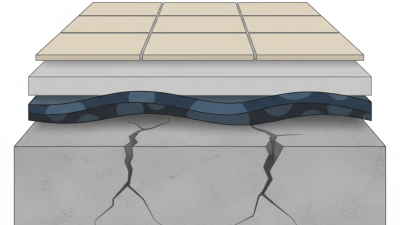
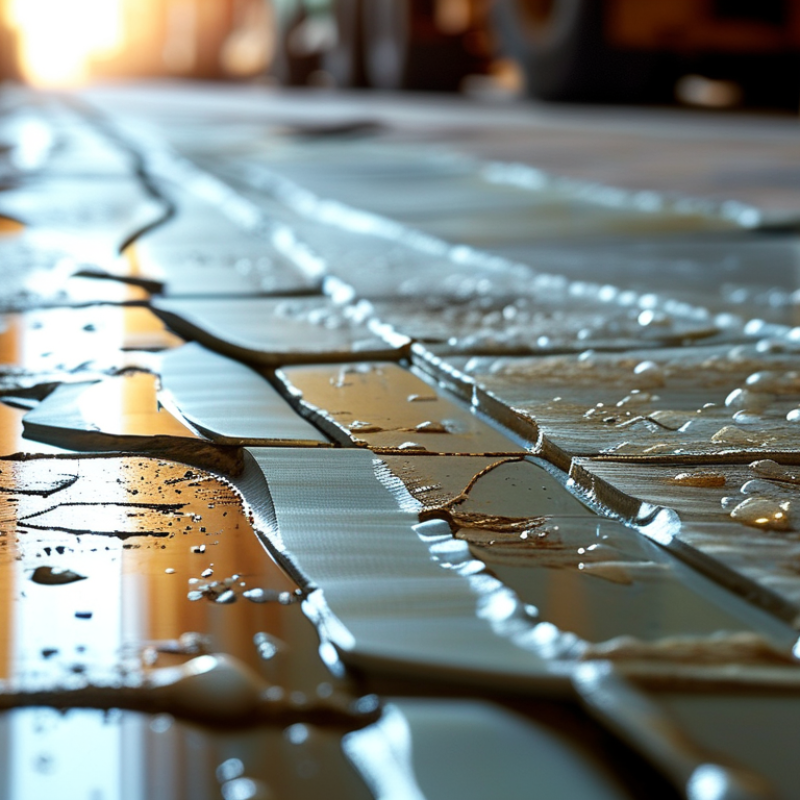
Crack isolation membranes play a crucial role in maintaining the integrity of flooring systems. They act as a barrier, preventing cracks in the substrate from transferring to the floor surface. This is vital for both aesthetic appeal and long-term durability. A well-chosen membrane can save you from costly repairs and replacements. Understanding the different types of membranes is essential for your project.
When selecting a crack isolation membrane, consider the environment and specific project requirements. Think about the substrate type and the kind of flooring you plan to use. Look for membranes that offer flexibility and good adhesion properties.
**Tips:** Always consult with a flooring expert to determine the best choices for your needs. Review product specifications carefully. Test samples before full installation to gauge performance. Remember, it's important to balance cost and quality. Cheap options might lead to failures, while robust membranes can be more expensive upfront but save money down the line.
Types of Crack Isolation Membranes Available on the Market
When selecting a crack isolation membrane, understanding the available types is crucial. There are several main categories: sheet membranes, liquid-applied membranes, and composite membranes. Each type has distinct properties that suit specific project needs.
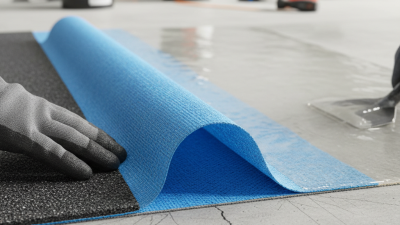
Sheet membranes are often preferred for their durability. These water-resistant sheets are installed over concrete slabs. They can effectively prevent moisture infiltration.
Liquid-applied membranes, on the other hand, offer flexibility in application. They can conform to various surfaces, ensuring a tight seal. This type is excellent for irregular shapes or hard-to-access areas.
Composite membranes combine the benefits of both types. They offer a robust solution with a flexible layer and a rigid outer layer. It can be a good choice for heavy traffic areas. Each option has its strengths and weaknesses. A poorly chosen membrane might lead to costly repairs later. Its effectiveness depends on proper installation and the specifics of your project.
Evaluating Project-Specific Requirements for Membrane Selection
Choosing the right crack isolation membrane requires a careful evaluation of your project’s specific needs. Factors such as substrate type, anticipated movement, and moisture levels are critical. According to a report by the Institute of Concrete Technology, approximately 80% of flooring failures are linked to inadequate moisture control and movement management. This statistic underscores the importance of selecting an appropriate membrane.
Analyzing the local climate is essential. High humidity areas may need membranes that offer moisture resistance. For instance, an environment that experiences heavy foot traffic could benefit from thicker, more durable membranes. The selection should also consider thermal expansion and contraction, which can affect concrete slabs over time. A membrane that addresses these factors can significantly enhance the longevity of your flooring.
Tip: Always check for installation guidelines. Follow them closely to avoid future issues. The membrane must be compatible with the flooring material. Misalignment can lead to costly repairs. Another point to consider is the budget. Some membranes are more expensive but save money in the long run due to durability. Evaluate cost vs. performance carefully to ensure you're making an informed decision.
Key Features to Consider When Choosing a Membrane
Choosing the right crack isolation membrane is crucial for any construction project. Key features to consider include material type, thickness, and installation requirements. According to industry reports, membrane selection can reduce crack formation by up to 80%. A suitable membrane absorbs movement and minimizes stress transfer.
Material type greatly impacts performance. Polypropylene membranes, for example, provide effective stress relief and are lightweight. In contrast, cement-based membranes offer robustness but may require more careful installation. Thickness matters too; thicker membranes enhance durability but might affect floor height.
Tip: Always consult manufacturer specifications to ensure compatibility with your flooring.
Installation plays a crucial role as well. A poorly installed membrane might lead to failures. Many professionals recommend a seamless installation process to avoid weak points. Some cases show that the wrong choice can increase repair costs by over 30%.
Tip: Regularly review installation techniques to stay updated on best practices.
Choosing wisely ensures longevity and minimizes unexpected expenses down the line.
Installation Techniques and Best Practices for Crack Isolation Membranes
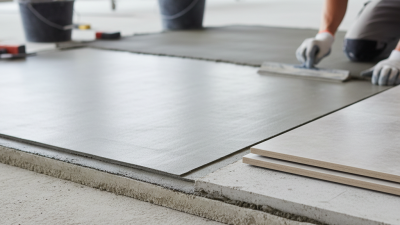
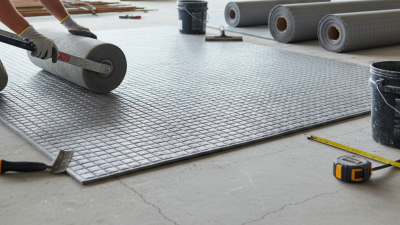
Choosing the right crack isolation membrane requires knowledge of installation techniques. Proper installation is crucial for optimal performance. First, ensure the substrate is clean and level. Any debris can lead to adhesion issues. Use a trowel with the correct notch size for your membrane. This helps ensure even coverage and better bonding.
Tips: Always read the manufacturer’s instructions. They provide valuable insights into climate considerations and specific material compatibility. Overlooking these details can result in costly mistakes.
Pay attention to temperature and humidity during the application. Extreme conditions can compromise the membrane's effectiveness. It’s best to avoid installation during rainy days or high humidity periods. Allow adequate drying time before the top layer is applied.
Tips: Test a small area first. This practice helps identify any potential problems with your chosen materials. Observing how the membrane reacts ensures peace of mind before the full installation.