



Global sourcing teams choose pipe against more than a purchase price. Welded Pipe can offer consistent dimensions, broad availability, and practical options for infrastructure, construction, and process systems. Those benefits depend on the specification, manufacturing controls, and the supplier’s ability to document each production lot. A low quotation alone proves little.
The World Steel Association reported 1,892.2 million tonnes of crude steel production worldwide in 2023. This figure describes the scale of the steel supply base, not welded-pipe output, and that distinction matters. For buyers, it signals a large industrial ecosystem while leaving the real questions unanswered: Which grade is available? How are welds inspected? Can the mill provide traceable test records? Shortcuts here can become costly delays at the receiving dock.
A useful global sourcing assessment compares forming method, wall thickness, coating, dimensional tolerances, and inspection requirements. It also checks delivery terms, packaging, and the supplier’s experience with the destination market. Standards such as applicable ASTM or API specifications may help define acceptance criteria, but the correct standard depends on service conditions and project requirements. Ask for mill test certificates and inspection evidence before approving a purchase. Then verify that documents match the delivered pipe. Simple, but often missed. Even careful buyers can overlook a detail when schedules tighten; that is worth admitting. Welded Pipe is not automatically the right choice for every application. The strongest sourcing decision weighs lifecycle needs, technical evidence, and dependable communication—not price alone.
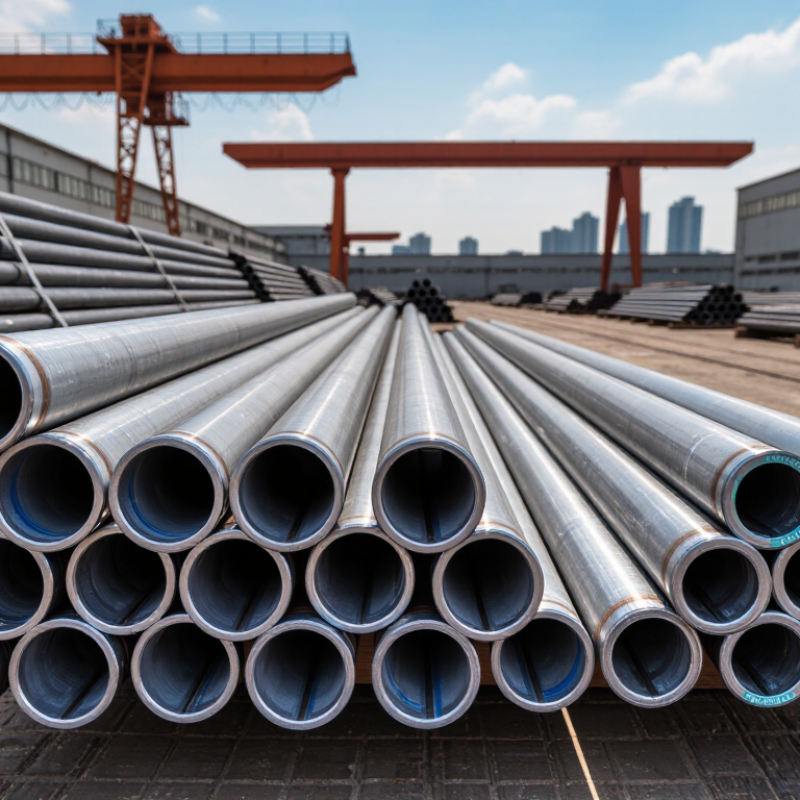
Why Choose Welded Pipe for Global Sourcing?
Welded pipe starts with steel strip or plate, not a seamless billet. The material is leveled, formed, and joined along a controlled seam. Electric resistance welding uses heat from electrical resistance and pressure. Large-diameter pipe often uses submerged arc welding, sometimes with internal and external passes. The seam is then inspected, sized, and cut to length. Simple in principle. Not always simple in production.
According to the World Steel Association, global crude steel production reached about 1.89 billion tonnes in 2023. That large supply base supports broad access to welded pipe feedstock across major manufacturing regions. Production route matters, though. Strip chemistry, forming accuracy, welding speed, and heat input can affect seam strength and dimensional stability. A low purchase price may hide higher inspection or installation costs.
Professional buyers commonly check chemical certificates, tensile results, hydrostatic testing, weld inspection records, and traceability markings. Requirements may reference standards such as ASTM A53, ASTM A106, or API 5L, depending on service conditions. Wall thickness deserves careful attention. A pipe can meet outside diameter requirements yet fail a project’s pressure or corrosion expectations. In practice, global sourcing works best when drawings, tolerances, coating needs, and inspection levels are agreed before production. I have seen specifications remain vague at the purchasing stage. That usually creates avoidable questions later. Data should be reviewed, not merely collected.


Copyright © CUSTOM Building Products 2025
Products | Resources | Interactive Tools | Warranties | Privacy Policy | Terms of Use | Technical Training
