



Choosing the right packaging equipment affects product protection, labor efficiency, and daily production stability. A rotary pouch packing machine can handle pre-made pouches with consistent filling, sealing, and indexing. In practical operations, this means fewer manual transfers and a cleaner workflow around the packing line.
Its rotating platform moves pouches through several controlled stations. These may include pouch picking, opening, filling, sealing, and discharge. Servo-driven motion can improve positioning accuracy, while adjustable filling systems support different product weights. Operators still need to verify sealing temperature, air pressure, pouch alignment, and material compatibility. Small changes matter.
For food, pet food, powders, granules, and other permitted products, machine selection should match the product’s behavior. Dusty materials may require better extraction. Sticky products may need special contact surfaces. Liquid products demand careful sealing control. Stainless-steel construction can simplify cleaning and support hygienic production when designed correctly.
The strongest reason to choose a rotary pouch packing machine is not speed alone. It is the balance between repeatability, flexibility, and manageable operating costs. A reliable machine should provide accessible components, clear controls, documented maintenance procedures, and responsive technical support. However, no machine removes every production risk. Inconsistent pouch quality, poor calibration, or rushed cleaning can still reduce performance. That part is easy to underestimate.
Before purchase, manufacturers should test real products and pouch samples. They should review output targets, changeover time, inspection requirements, and available floor space. A careful evaluation may reveal that a smaller machine fits better. Or not. The best decision comes from measured trials, transparent specifications, and experience with similar production conditions.
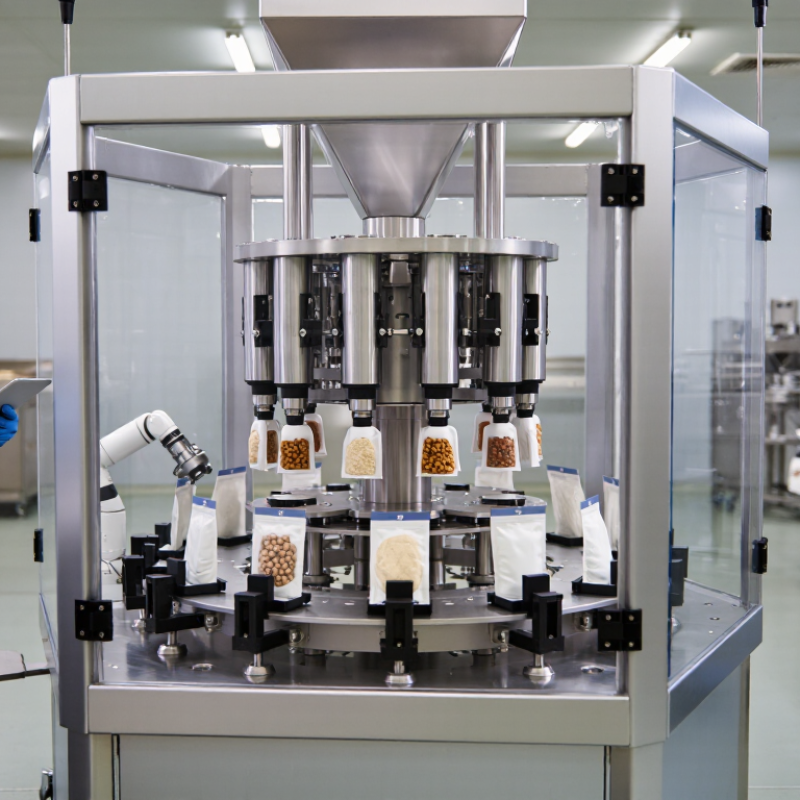
A rotary pouch packing machine is an automated system for filling and sealing pre-made flexible pouches. Its circular platform moves pouches through several stations. These stations may include pouch pickup, opening, product filling, sealing, coding, and discharge.
The machine uses repeated rotary motion instead of a straight conveyor path. This compact layout can deliver stable output while using limited floor space. Operators can watch the seal area, adjust filling weights, and replace film-contact parts during cleaning. Powder, granules, liquids, and small solid products may require different dosing systems. That detail matters.
According to PMMI’s 2024 U.S. Packaging Machinery Shipments Report, packaging machinery shipments exceeded 10 billion dollars in 2023. This figure reflects continued investment in automation and production consistency. Grand View Research also reports continuing growth in the global form-fill-seal machinery market, supported by flexible packaging demand.
However, a rotary machine is not automatically the best choice. Very small batches may lose efficiency during changeovers. Sticky products can also create filling errors and seal contamination. In practice, selecting the correct auger, pump, or multihead weigher often matters more than the machine’s speed rating. A quoted output of 60 pouches per minute may fall lower with frequent cleaning, inspection, or pouch-size changes. Test real products before purchase. That step is often skipped.



Copyright © CUSTOM Building Products 2025
Products | Resources | Interactive Tools | Warranties | Privacy Policy | Terms of Use | Technical Training
