



A High Visibility Vest Manufacturer Factory is more than a sewing workshop. It is a controlled production environment where visibility, comfort, durability, and traceability meet. This introduction explains how such a factory turns reflective fabric, fluorescent materials, and technical specifications into dependable safety garments.
A professional factory usually manages fabric inspection, pattern cutting, heat-transfer application, stitching, reflective-tape placement, and final quality checks. Workers may test color consistency under bright lamps. They may also examine tape alignment across shoulders, chest, and back. Small details matter. A loose seam can weaken user confidence. Poor sizing can reduce visibility when the vest hangs incorrectly.
Dr. David Michaels, former Assistant Secretary of Labor for Occupational Safety and Health, has repeatedly emphasized the importance of prevention in workplace safety. His practical message can be expressed simply: “Prevention should guide every safety decision.” That principle applies directly to a High Visibility Vest Manufacturer Factory. The factory should not treat compliance as the finish line. It should build safety into material selection, production records, worker training, and inspection routines.
Experienced manufacturers also understand that one vest cannot suit every workplace. Road crews, warehouse operators, airport teams, and emergency personnel face different movement and weather conditions. A factory must listen carefully to users. It must test products in realistic situations, not only on a clean sample table. Some processes may still need improvement. That honest weakness matters. Reliable production grows through documented checks, supplier evaluation, customer feedback, and continuous review. The strongest factory is not the one claiming perfection. It is the one proving consistency, correcting mistakes, and protecting visibility in practical daily use.
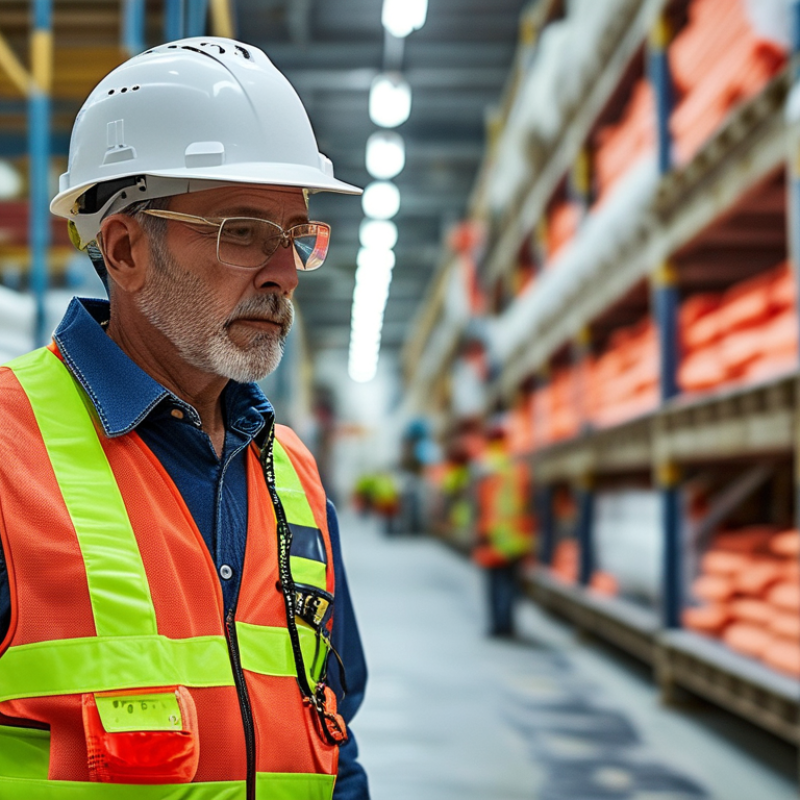
A high visibility vest manufacturer factory is a production facility that designs, makes, and checks reflective safety vests. Its role extends beyond sewing fabric together. The factory selects fluorescent materials, reflective tape, strong stitching, and suitable closures for demanding work environments. Skilled teams convert safety requirements into wearable products for road crews, warehouse staff, construction workers, and emergency personnel. They also create samples, adjust sizing, and manage bulk production. A reliable factory keeps material records and provides clear testing information. That evidence helps buyers judge product performance with confidence.
Manufacturing quality depends on practical experience. Workers inspect tape alignment, seam strength, color consistency, and fastening performance. Factories may test visibility under different lighting conditions and inspect finished vests before packing. Small defects can matter. A loose thread or poorly placed strip may reduce comfort or visibility. No factory is perfect, though. Good manufacturers review mistakes, listen to user feedback, and improve their process instead of hiding weak results. This attitude supports long-term reliability.
Tips: Ask about fabric weight, reflective tape performance, size grading, and inspection procedures. Request samples before placing a large order. Check whether test reports match the actual materials used. Consider comfort, ventilation, and pocket placement, not only bright color. A vest that looks excellent but feels awkward may be ignored during a long shift. Also, confirm production capacity and delivery control. Delays can disrupt site planning.
| Data Dimension | Definition, Capability, or Typical Data | Practical Role in High Visibility Vest Manufacturing |
|---|---|---|
| Factory Definition | A high visibility vest manufacturer factory is a production facility that develops, cuts, sews, assembles, inspects, and packs garments designed to make workers more noticeable in daylight and low-light conditions. | Converts fabric, reflective materials, trims, and design specifications into finished safety garments. |
| Primary Product Types | Safety vests Mesh vests Two-tone vests Reflective jackets Traffic-control garments | Provides garment options for roadwork, construction, logistics, utilities, emergency response, and industrial operations. |
| High-Visibility Materials | Common fluorescent background colors include yellow, orange, and red. These colors are selected to create strong contrast against surrounding environments during daytime work. | Improves daytime conspicuity when workers operate near vehicles, equipment, or changing backgrounds. |
| Retroreflective Components | Retroreflective tape or segmented reflective trim is placed on the torso, shoulders, chest, back, or waist. It returns light toward its source, such as vehicle headlights. | Supports worker visibility in darkness, poor weather, tunnels, warehouses, and other low-light environments. |
| Applicable Standards | Depending on the target market and garment classification, factories may work with requirements such as ANSI/ISEA 107 in the United States or EN ISO 20471 in Europe. The applicable standard should be confirmed for the intended use and market. | Guides garment design, visibility areas, material performance, labeling, and conformity documentation. |
| Design and Development | Typical development activities include pattern making, size grading, color selection, reflective tape placement, pocket configuration, closure selection, logo-area planning, and sample preparation. | Balances visibility requirements with comfort, mobility, storage, weather conditions, and job-specific needs. |
| Production Process | A standard workflow may include material inspection, fabric cutting, reflective-trim preparation, sewing, attachment of closures and pockets, thread trimming, final pressing, inspection, and packing. | Creates a repeatable manufacturing system that supports consistent fit, appearance, and construction quality. |
| Quality Control Points | Key checks can include fabric color, reflective tape position, seam strength, stitch density, zipper or hook-and-loop function, size measurements, loose threads, stains, and packaging accuracy. | Reduces defects and verifies that finished garments match approved samples and purchase specifications. |
| Performance Testing | Depending on the required standard, testing may address background-material color, retroreflective performance, dimensional stability, colorfastness, and physical durability. Testing should be conducted through appropriate qualified facilities. | Provides evidence that the materials and finished garment are suitable for the stated performance requirements. |
| Customization Options | Factories may offer custom colors, reflective configurations, pocket layouts, closure systems, size ranges, fabric weights, warning messages, and private-label packaging without displaying brand information in general product data. | Adapts the vest to workplace procedures, procurement specifications, climate, and user preferences. |
| Material Choices | Common vest fabrics include polyester woven fabric, polyester mesh, and blended textiles. The appropriate choice depends on breathability, durability, climate, intended use, and required compliance criteria. | Determines comfort, ventilation, abrasion resistance, weight, appearance, and service life. |
| Factory Equipment | Typical equipment includes fabric-cutting machines, industrial sewing machines, overlock machines, reflective-tape applicators or sewing stations, inspection tables, pressing equipment, and packing tools. | Supports accurate cutting, secure assembly, efficient production, and repeatable quality inspection. |
| Production Capacity Factors | Output depends on order quantity, product complexity, number of sewing lines, material availability, sampling requirements, inspection procedures, and packaging specifications. | Helps buyers evaluate whether a factory can meet required quantities and delivery schedules. |
| Workplace Applications | High visibility vests are commonly used in construction, road maintenance, transportation, warehousing, airports, rail operations, utilities, waste management, event operations, and emergency services. | Improves the chance that workers can be detected by drivers, machine operators, colleagues, and supervisors. |
| Buyer Evaluation Criteria | Important evaluation factors include material traceability, sample approval, measurement consistency, quality-control procedures, testing documentation, production lead time, packaging accuracy, and communication capability. | Helps purchasers compare manufacturers using objective production and compliance information rather than appearance alone. |
| Factory’s Overall Role | The factory connects safety requirements, garment engineering, material sourcing, production management, inspection, and delivery into one controlled manufacturing process. | Ensures that high visibility vests are designed and produced for their intended working environment and applicable market requirements. |



Copyright © CUSTOM Building Products 2025
Products | Resources | Interactive Tools | Warranties | Privacy Policy | Terms of Use | Technical Training
