



Choosing a wall finish in 2026 means balancing appearance with performance. A Wpc Panel Wall can bring wood-like texture to interiors or covered outdoor spaces, but products vary in construction, finish, and installation needs. This guide compares popular types, including fluted panels, 3D designs, co-extruded boards, and hollow or solid profiles. Small details matter.
The “top” option depends on where the panel will be installed. A narrow fluted surface may add vertical rhythm to a living room, while a co-extruded finish can offer an extra protective outer layer for demanding conditions. Hollow profiles may reduce weight, but their suitability depends on the fixing system and manufacturer’s guidance. Solid panels can feel more substantial. Not always better.
The sections ahead consider texture, durability, maintenance, cost, and practical fitting requirements. They also explain which specifications deserve a closer look, including UV resistance, moisture performance, warranty terms, and applicable fire-test information. These properties are not identical across all WPC products, so check the product data rather than relying on a label or attractive sample alone. A display board cannot show every real-world limitation. For a dependable choice, match the panel to the room, climate, and support structure, then confirm installation details with the supplier. Some comparisons remain imperfect: product quality and local conditions can change the result.
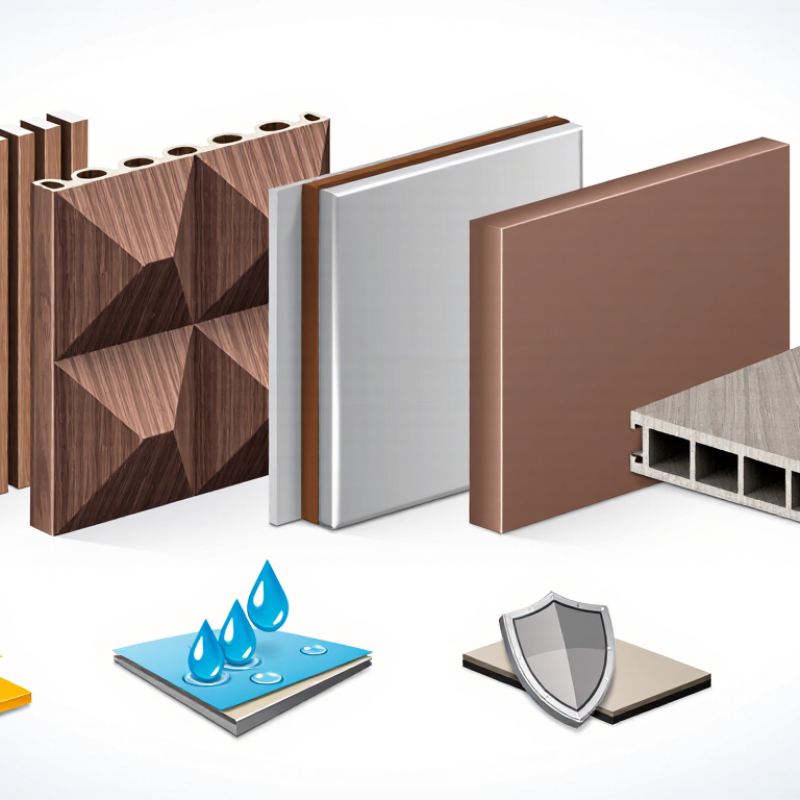
Wpc Wall Panels are engineered profiles made by combining wood fibers or fine wood flour with a thermoplastic resin. Common resin families include polyethylene, polypropylene, and PVC; the exact blend varies by product. Additives may include pigments, UV stabilizers, and coupling agents, which help manage color, weathering, and bonding between wood and plastic. They are not decorative timber boards. Their surface and core are manufactured as a composite.
Panel construction matters. Extruded profiles can be hollow or solid, while co-extruded panels may have a protective outer layer over a composite core. That outer layer can affect cleaning and surface wear, but it does not make every panel waterproof or maintenance-free. Check the product’s installation and exposure guidance. Small details count: a cut edge can reveal the hollow cells, and poor drainage behind a panel may trap moisture. The Global Wood Plastic Composites Market report by Grand View Research estimated the overall market at USD 7.7 billion in 2023 and projected an 11.2% compound annual growth rate from 2024 to 2030. This is market-wide data, not a wall-panel forecast. That distinction matters. Without a declared formulation or test data, appearance alone cannot confirm durability.



Copyright © CUSTOM Building Products 2025
Products | Resources | Interactive Tools | Warranties | Privacy Policy | Terms of Use | Technical Training
