Top 10 Waterproofing Membranes for Ultimate Protection?
In the quest for ultimate protection against water damage, selecting the right waterproofing membrane is crucial. Industry expert Dr. Emily Carter emphasizes, "A high-quality waterproofing membrane can save you from costly repairs down the line." Her insight highlights the essential role these membranes play in safeguarding structures from water intrusion.
Waterproofing membranes serve as the first line of defense. They create a barrier that prevents water from penetrating into buildings. Different types of membranes are available, each with unique features. Understanding these options can lead to better decision-making. It’s important to note that not all membranes perform equally in various environments.
Many homeowners overlook the significance of selecting the appropriate membrane. This often results in unnecessary repairs and damage. As individuals invest in their properties, understanding waterproofing solutions becomes essential. Choosing wisely ensures long-lasting protection and peace of mind. Remember, an informed choice today can prevent potential disasters tomorrow.
Types of Waterproofing Membranes: An Overview of Options
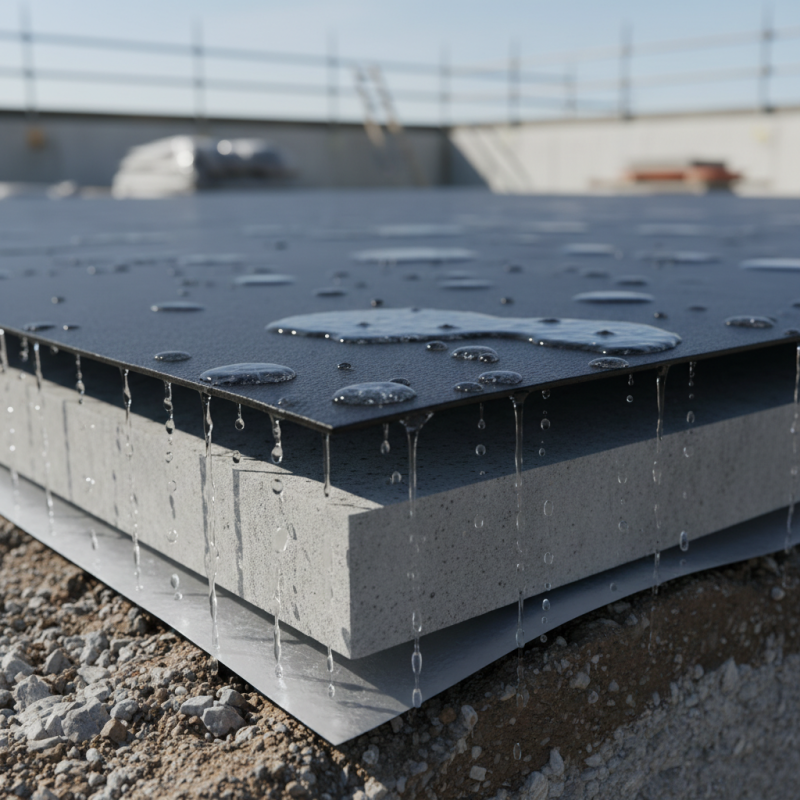
Waterproofing membranes play a vital role in construction. They prevent water infiltration, protecting structures from damage. Various types are available to suit different needs.
Liquid-applied membranes offer flexibility. Their seamless application ensures complete coverage. Sheet membranes provide a robust layer. They are often used in critical areas like basements. Each type has its own strengths and weaknesses. Understanding these can help tailor solutions.
Tips: Always test a small area first. This helps gauge adhesion and compatibility. Regular inspections after installation are essential. Look for wear and tear early on. Remember, prevention is key to long-term protection.
Top 10 Waterproofing Membranes for Ultimate Protection
| Type of Membrane |
Material |
Application |
Durability |
Estimated Cost per Square Foot |
| Sheet Membrane |
Rubberized asphalt |
Foundations, basements |
20+ years |
$1.50 - $2.50 |
| Liquid Membrane |
Polyurethane |
Roofs, decks |
10-20 years |
$2.50 - $4.00 |
| Bituminous Membrane |
Modified bitumen |
Commercial roofs |
15-25 years |
$1.75 - $3.00 |
| Cementitious Membrane |
Cement-based |
Swimming pools |
10-15 years |
$2.00 - $3.50 |
| TPO Membrane |
Thermoplastic polyolefin |
Flat roofs |
20 years |
$2.00 - $3.00 |
| EPDM Membrane |
Ethylene propylene diene monomer |
Commercial roofing |
30+ years |
$3.00 - $4.50 |
| PVC Membrane |
Polyvinyl chloride |
Roofs |
20 years |
$2.50 - $4.00 |
| Drainage Membrane |
HDPE |
Landscaping |
15 years |
$1.00 - $2.00 |
| High-density Polyethylene Membrane |
HDPE |
Waterproofing, containment |
20-30 years |
$1.50 - $2.50 |
Key Features to Consider When Choosing a Waterproofing Membrane
Choosing the right waterproofing membrane is crucial for protecting your property. When evaluating options, consider key features that influence performance. These include material type, thickness, and installation method. Each of these elements impacts the membrane's durability and effectiveness.
Material type plays a significant role. Common choices include bitumen, PVC, and TPO. Each has distinct characteristics that can affect longevity and flexibility. The thickness of the membrane also matters; thicker membranes generally offer better resistance to punctures and tears. Installation complexity can vary as well, impacting both time and cost.
Evaluating the climate where the membrane will be used is essential. Certain membranes perform better in extreme temperatures. Reflect on your building’s specific needs, as not all solutions fit every situation. Understand that achieving the best waterproofing is a balance of all these factors. It invites a careful examination of priorities and long-term goals. Be patient, as finding the ideal match may require some trial and error.
Top 10 Waterproofing Membranes: Ranked for Performance and Durability
When it comes to waterproofing, choosing the right membrane is crucial. Various options provide different levels of performance and durability. A reliable waterproof membrane can prevent water damage, mold growth, and even structural issues. Proper installation is key. No matter how good the product, poor application leads to failure.
One crucial tip is to assess your specific environment. Coastal areas may face harsh conditions, while inland regions may have different needs. Always look for membranes that can withstand local weather patterns. Pay attention to the thickness and flexibility of the membrane. Thicker membranes often provide better resistance, while flexible ones adapt to movements in the building.
Testing is vital. Conduct small tests before full application. This helps you see how the material reacts to moisture and weather. Keep in mind that even the best membranes can struggle if not installed correctly. Don't rush through this phase. Allow enough time for curing. Be aware that what works in one setting may not be ideal in another. Each project requires careful consideration.
Top 10 Waterproofing Membranes for Ultimate Protection
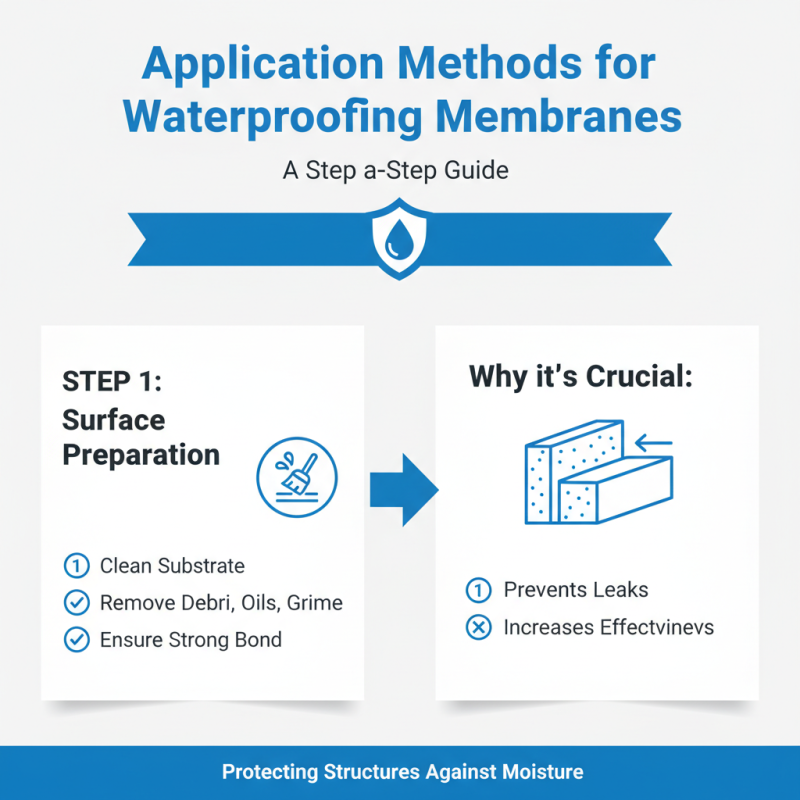
Application Methods for Waterproofing Membranes: A Step-by-Step Guide
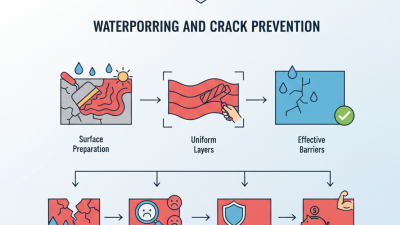
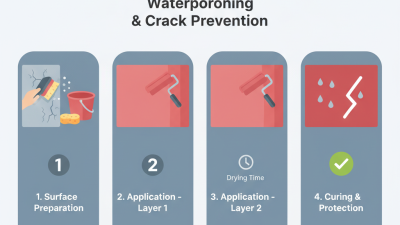
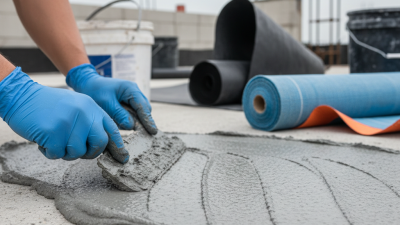
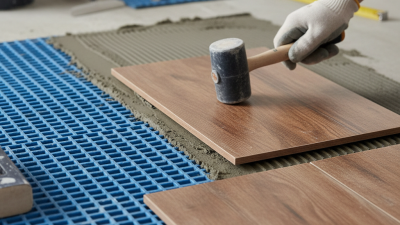
Waterproofing membranes are essential in construction for safeguarding structures against moisture. Proper application methods are crucial for their effectiveness. Begin by preparing the surface thoroughly. Clean it of any debris, oils, or grime. This ensures a strong bond between the membrane and the substrate, decreasing the likelihood of leaks.
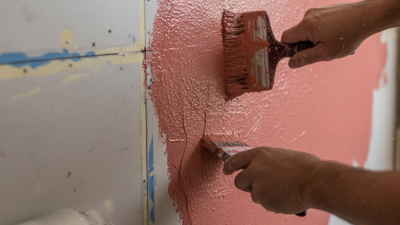
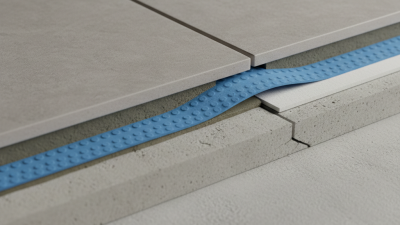
When applying the membrane, follow manufacturer guidelines for thickness and overlap. Using a suitable primer can enhance adhesion. Studies show that proper overlap can increase waterproofing efficacy by up to 30%. For installation, utilize tools like rollers and brushes for an even application. Pay attention to corners and seams; these areas are often weak points.
Tips: Always do a small test patch before full application. This helps gauge the membrane's compatibility with the surface. In humid conditions, consider adjusting curing times. Remember, patience is key to a successful waterproofing project. Regular inspections post-application are necessary. They can help identify potential breaches early, ensuring lasting protection against water damage.
Maintenance Tips for Long-Lasting Waterproofing Membrane Performance
To ensure the longevity of waterproofing membranes, regular maintenance is crucial. Industry data shows that over 30% of waterproofing failures occur due to inadequate upkeep. Small issues, like punctures or cracking, can lead to significant problems if ignored. Check your membrane at least twice a year for signs of wear, especially in high-stress areas.
Maintaining a clean membrane surface can increase its effectiveness. Accumulated debris can trap moisture and deteriorate materials. A study highlights that regular cleaning can extend the life of a membrane by up to 15%. Use soft brushes and non-abrasive cleaners to avoid damage. Consider sealing any seams or joints immediately when you spot any potential weaknesses, as those are common failure points.
Another critical aspect is monitoring the surrounding environment. Changes in landscaping or drainage can impact how water interacts with your building. Up to 25% of waterproofing issues stem from external factors. If water pools near your structure, it can compromise the membrane's performance. Always reevaluate drainage systems and surrounding structures to prevent any adverse effects. Regular assessments and proactive measures lead to better outcomes.