2026 Top Trends in Crack Suppression Membrane Technology?
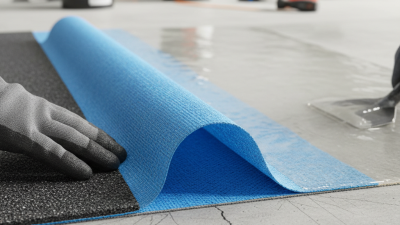
As we approach 2026, the construction industry faces evolving challenges. Among these, the need for effective crack suppression is critical. The use of crack suppression membranes has gained attention for their potential to enhance structural longevity and performance. These membranes play a pivotal role in protecting surfaces from damage caused by cracking.
The development of crack suppression membrane technology is driven by innovations that enhance their effectiveness. Advanced materials are being designed to resist extreme weather and environmental stressors. With increased awareness about structural integrity, builders and architects are turning to these solutions to ensure durability. However, it is essential to address the limitations and varying performance levels of different products.
To remain competitive, industry professionals must stay informed about trends in crack suppression membranes. Understanding the nuances of material selection and application will provide significant advantages. As technology evolves, so does the need for continuous improvement and adaptation. This dynamic field requires an ongoing commitment to learning and enhancement, reflecting the complexity of modern construction demands.
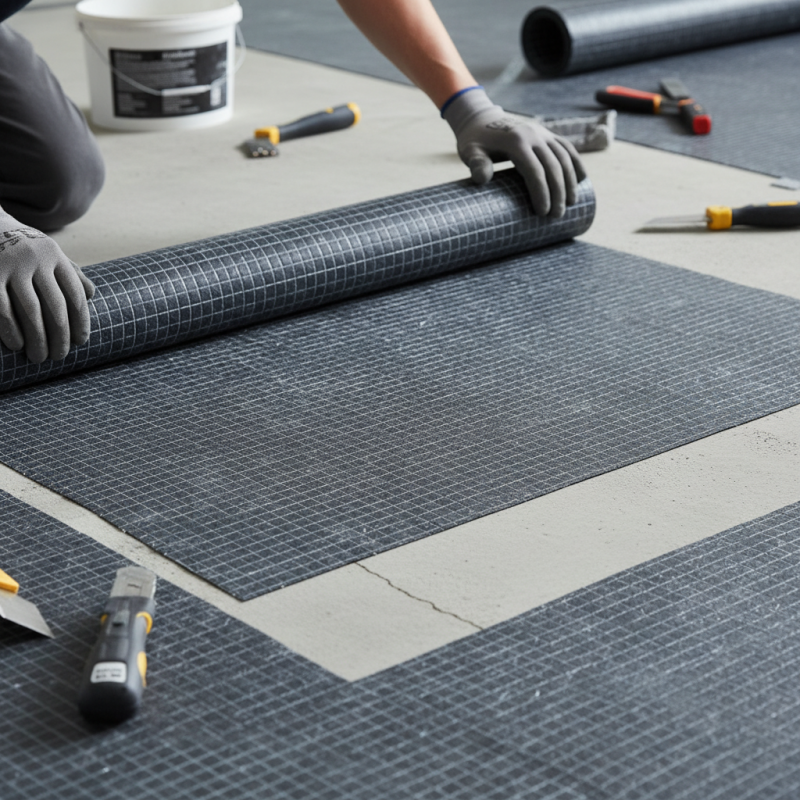
Emerging Materials in Crack Suppression Membrane Technology
Emerging materials in crack suppression membrane technology are driving innovations in the construction industry. One promising area is the development of advanced composites. These materials blend polymers with fibers to enhance flexibility and strength. They are effective in managing stress and reducing crack propagation. Engineers are increasingly using these composites for their durability and resistance to harsh environmental conditions.
Another significant trend is the exploration of bio-based materials. These sustainable options are derived from renewable resources. They offer environmental benefits while maintaining effectiveness in crack suppression. Research is ongoing to improve their mechanical properties. The challenge lies in balancing sustainability with performance.
The choice of materials affects cost and application methods. Innovations may not always match traditional efficiency. New materials require testing to ensure long-term reliability. This represents a shift in mindset for engineers who often prefer proven solutions. Adopting new technologies involves risk. Yet, the potential rewards can lead to better construction practices. Each development prompts further examination of existing methods and materials.
2026 Trends in Crack Suppression Membrane Technology
Innovative Applications of Crack Suppression Membranes in Construction
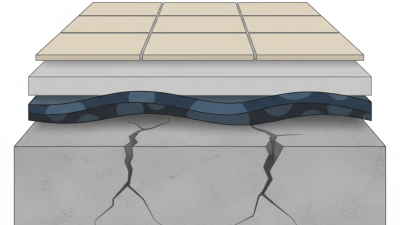
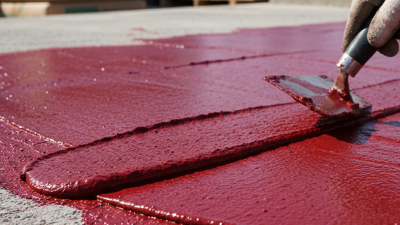
In the construction industry, crack suppression membranes offer innovative solutions. These membranes help prevent cracks from forming in concrete structures. When applied correctly, they enhance durability and extend the lifespan of surfaces.
Many construction professionals are beginning to realize the benefits of these membranes. They are especially useful in areas prone to movement or temperature fluctuations. For instance, using a crack suppression membrane in a parking garage can significantly reduce long-term maintenance costs.
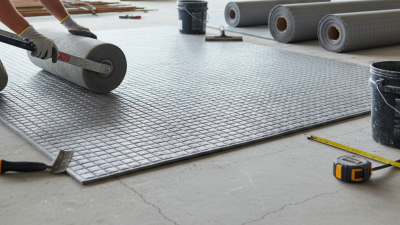
Tips: Always ensure proper surface preparation before application. A clean, dry surface maximizes adhesion and performance. Also, consider environmental conditions, such as humidity and temperature, which can affect curing time.
Some challenges remain in adopting this technology. Not all contractors are familiar with the latest membrane products. Misunderstandings about installation processes can lead to improper application. Continuous education and training are vital for maximizing the effectiveness of crack suppression membranes.
Innovative applications also include layering systems that combine membranes with other materials. This approach adds extra strength to structures, but it requires careful planning. Balancing cost efficiency with quality can be complex, making it essential to proceed with caution.
2026 Top Trends in Crack Suppression Membrane Technology
| Trend |
Description |
Innovative Applications |
Expected Impact |
| Self-Healing Membranes |
Membranes that can autonomously repair cracks as they form. |
Used in road surfaces and parking lots to prolong lifespan. |
Reduced maintenance costs and extended service life. |
| Eco-Friendly Materials |
Use of sustainable materials in the production of membranes. |
Application in green building projects and eco-structures. |
Lower carbon footprint and compliance with environmental regulations. |
| Advanced Polymer Blends |
Utilization of novel polymer blends to enhance durability and flexibility. |
Ideal for high-stress applications in commercial buildings. |
Improved structural integrity and longevity. |
| Smart Membrane Technologies |
Integration of sensors to monitor membrane conditions in real-time. |
Implementation in smart cities and automated infrastructure. |
Enhanced performance tracking and proactive maintenance strategies. |
| Nano-Coatings |
Application of nano-coatings to improve water resistance and longevity. |
Suitable for both residential and commercial roofing systems. |
Extended lifecycle and reduced risk of water damage. |
Performance Metrics for Evaluating Crack Suppression Effectiveness
When evaluating the effectiveness of crack suppression membranes, performance metrics play a crucial role. It's essential to assess how well these systems can prevent crack propagation. Common metrics include tensile strength, elongation, and adhesion properties. Each measure provides insights into the system's durability and reliability under various conditions.
Implementing rigorous testing protocols can help determine these metrics. Employing standardized tests allows for accurate comparisons. Testing in real-world scenarios can highlight both strengths and potential weaknesses. Reductions in crack widths and improved aesthetics are essential indicators of performance, yet they should not be the only focus.
Tips: Always consider environmental factors during evaluation. Temperature and moisture levels can greatly influence performance. Periodic reassessment can reveal how aging impacts effectiveness. Stay open to evolving technologies that may enhance your current solutions. Take time to reflect on past failures to improve future outcomes.
Sustainability Trends Influencing Membrane Technology in 2026
Sustainability is increasingly shaping membrane technology trends in 2026. The global market for sustainable building materials is projected to reach $330 billion by 2027, with a significant focus on eco-friendly membranes. Companies are now prioritizing materials that minimize environmental impact while ensuring durability and performance.
Innovative materials, such as bio-based polymers, are gaining traction. These substances are derived from renewable resources, reducing carbon footprints. For example, reports indicate that using recycled materials in membrane products can cut down greenhouse gas emissions by over 30%. As the industry looks to meet stricter regulations, it becomes essential to develop membranes that promote energy efficiency and reduce waste.
Moreover, there's a growing challenge of balancing performance with ecological considerations. While advanced technologies improve crack suppression, they often involve complex production processes that may undermine sustainability goals. Industry experts emphasize the necessity of re-evaluating these methods, focusing on lifecycle assessments to ensure overall environmental benefits. This reflection is vital for the future of membrane technology in construction.
Future Challenges and Opportunities in Crack Suppression Solutions
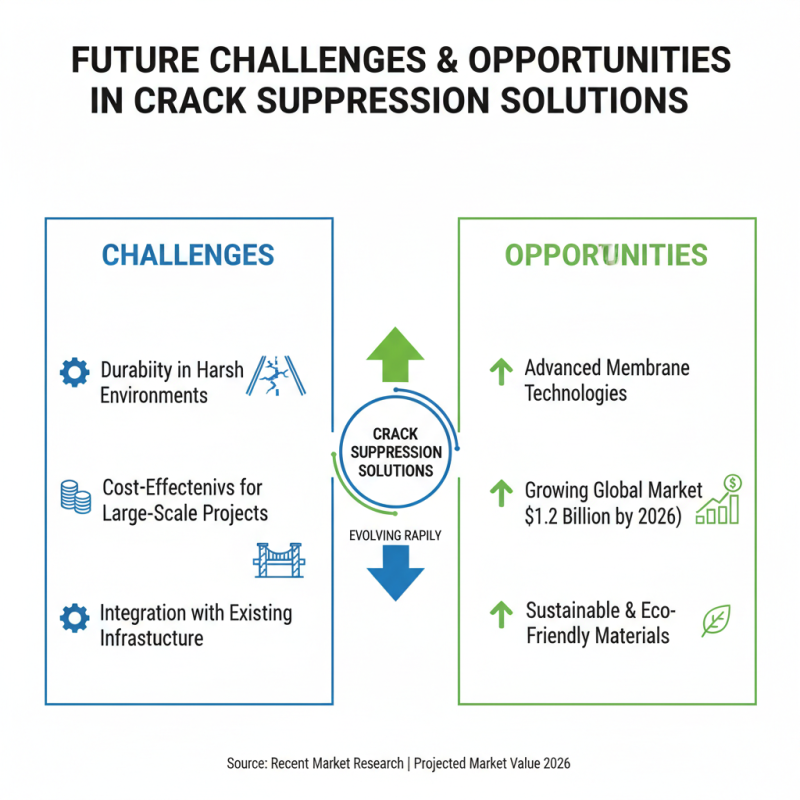
Crack suppression membrane technology is evolving rapidly. According to recent market research, the global market value is projected to reach $1.2 billion by 2026. This reflects a growing demand for durable and cost-effective solutions to manage cracks in various surfaces, particularly in construction and infrastructure.
However, challenges remain. The technology is not universally adopted. Some contractors still prefer traditional methods, often due to lack of awareness. Additionally, the complexity of installation can deter use. Proper training and education are crucial to overcome these barriers. Reports highlight that 35% of professionals feel unprepared to implement new technologies effectively.
Moreover, innovation is key to future opportunities. Advances in materials, such as polymers and composites, show potential. These can enhance flexibility and longevity, essential for performance. Industry analysts suggest that the integration of smart materials could revolutionize this field. Predictive capabilities can minimize damage and extend the lifespan of structures. However, more research is needed to fully understand these potential benefits. Investing in R&D is vital for sustainable growth.