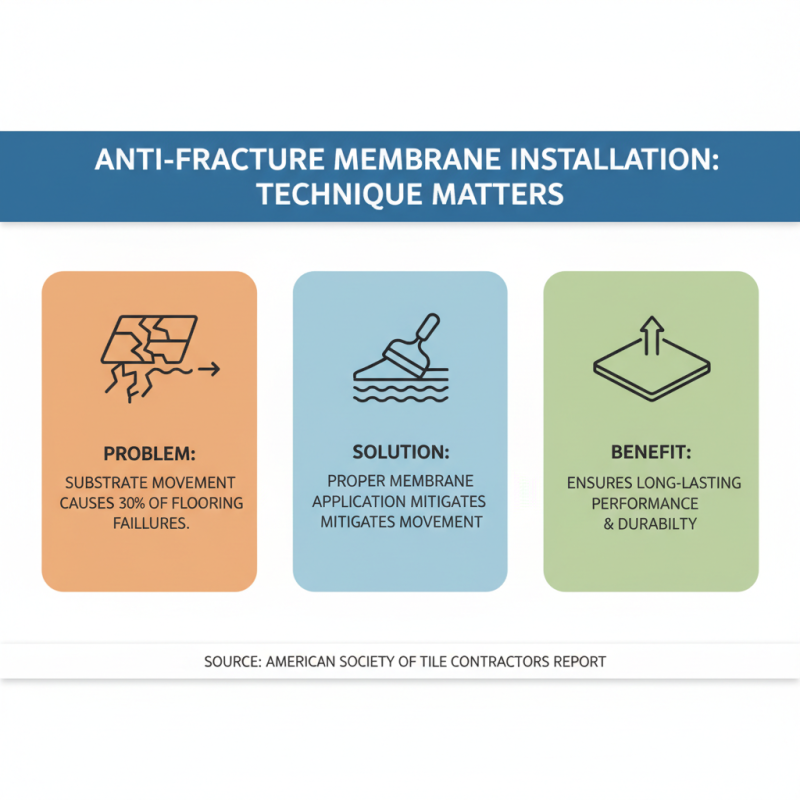



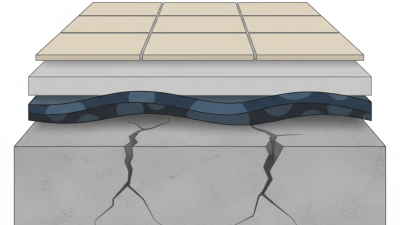
When undertaking a construction or renovation project, the selection of materials plays a critical role in ensuring longevity and durability. Among these materials, the use of an anti fracture membrane is essential, particularly in environments prone to movement and stress. According to industry reports, approximately 90% of flooring failures can be attributed to subfloor cracks, emphasizing the necessity for appropriate protective measures. Anti fracture membranes serve as a vital barrier, preventing cracks from the substrate from transferring to the finished floor, thus safeguarding the investment and enhancing overall performance.
The global market for anti fracture membranes is experiencing significant growth, driven by increasing demand in residential and commercial construction sectors. A recent study revealed that the adoption of advanced anti fracture technology can reduce the risk of floor surface damage by over 75%, showcasing the effectiveness of these membranes. As project managers and builders continuously seek innovative solutions to combat structural issues, understanding the key factors for selecting the best anti fracture membrane becomes paramount. This guide outlines the top ten tips for choosing the most suitable membrane for your project, ensuring optimal protection and performance in various applications.
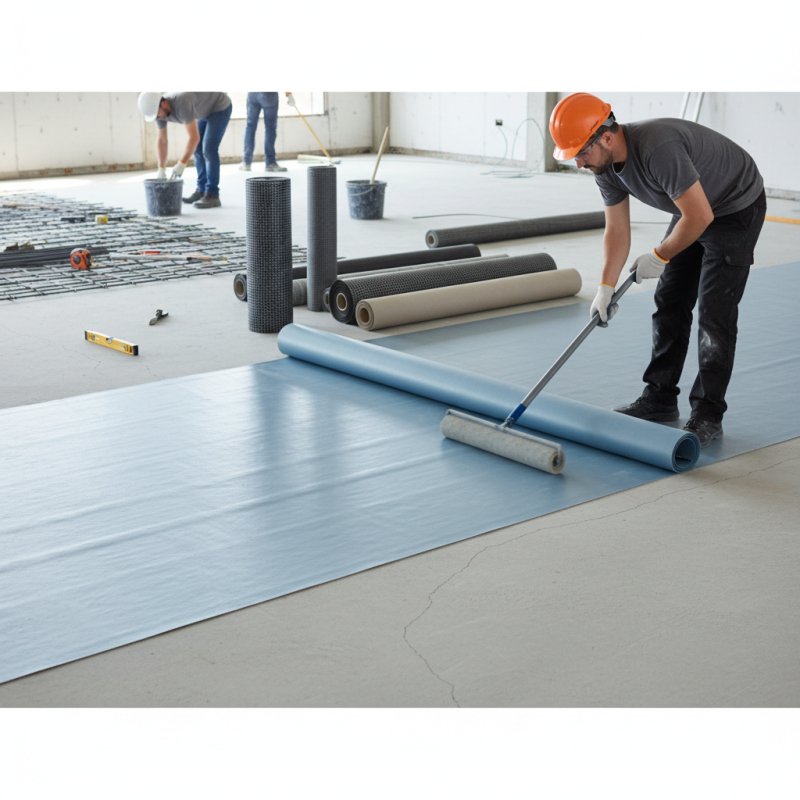
Anti-fracture membranes play a crucial role in construction projects, acting as a barrier to prevent cracks in the substrate from propagating through the finished surfaces, such as tile or stone. These membranes are designed to absorb the stresses induced by movement in the substrate, which can occur due to temperature fluctuations or settling of structures. According to a report by the National Tile Contractors Association (NTCA), nearly 60% of flooring failures are due to cracks in the substrate, emphasizing the importance of selecting an appropriate anti-fracture membrane for different applications.
When choosing an anti-fracture membrane, it is essential to consider factors such as material composition, thickness, and compatibility with various adhesives. For instance, polymer-modified membranes enhance flexibility and adhesion and are particularly advantageous in environments subject to seismic activity. The International Organization for Standardization (ISO) provides guidelines suggesting that membranes should have a tensile strength of at least 100 psi to ensure they can withstand typical stresses encountered in construction projects. Selecting the right membrane not only prevents costly repairs but also enhances the longevity and performance of the flooring system, demonstrating its indispensability in modern construction practices.
| Tip Number | Tip Description | Key Benefits | Considerations |
|---|---|---|---|
| 1 | Assess the Substrate Type | Ensures compatibility and effectiveness. | Different substrates may require specific membranes. |
| 2 | Evaluate Movement Characteristics | Helps in selecting membranes that accommodate expected movement. | Consider both thermal and structural movement. |
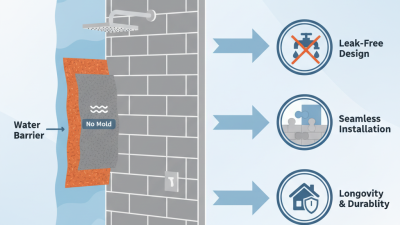
| 3 | Consider Moisture Control | Aids in preventing water damage and mold growth. | Select a membrane with proper moisture resistance. |
| 4 | Check Manufacturer Guidelines | Ensures optimal performance and warranty compliance. | Adhere to instructions for installation and usage. |
| 5 | Assess Thickness and Weight | Impacts installation ease and structural load. | Heavier membranes may require special handling. |
| 6 | Research Durability | Long-lasting materials reduce maintenance and replacement costs. | Avoid cheaper alternatives that compromise quality. |
| 7 | Select Appropriate Adhesive | Maximizes adhesion and performance of the membrane. | Compatibility with membrane and surface is crucial. |
| 8 | Consult Experts | Gain insights from professionals with on-site experience. | Seek advice from engineers and architects familiar with local conditions. |
| 9 | Review Regulatory Standards | Ensures compliance with local building codes. | Stay updated on changes to regulations that may affect your project. |
| 10 | Get Multiple Quotes | Compares options for cost-effectiveness. | Consider both price and quality when evaluating quotes. |




Copyright © CUSTOM Building Products 2025
Products | Resources | Interactive Tools | Warranties | Privacy Policy | Terms of Use | Technical Training