



Remote Controlled Animatronics can turn a themed room, stage, or exhibit into a vivid experience. But a convincing face and a smooth head turn are only part of the purchase. Buyers also need to check movement range, controller layout, power requirements, setup time, and access to replacement parts. A figure that looks impressive in a product photo may be too large for a narrow doorway. Small details matter.
This guide uses a clearly fictional expert voice: animatronics purchasing consultant Elliot Shaw. His illustrative rule is, “Buy for the motion you can maintain, not just the motion you can admire.” It is a practical reminder, not a verified quotation. A detailed routine may require careful calibration, regular cleaning, and a trained operator. A simpler model could be the wiser choice. Sometimes, less is better.
The ten tips ahead will help you compare materials, movement quality, control options, sound, warranties, and seller support. Ask for a demonstration video showing the exact model in operation, and confirm what arrives in the box. Check whether the controller feels manageable and whether cables reach your intended setup. Request written details. Then consider the unglamorous question: who will troubleshoot it after delivery? No checklist removes every uncertainty. Still, a few careful questions can prevent an expensive surprise and help you choose Remote Controlled Animatronics suited to your space, audience, and maintenance capacity.
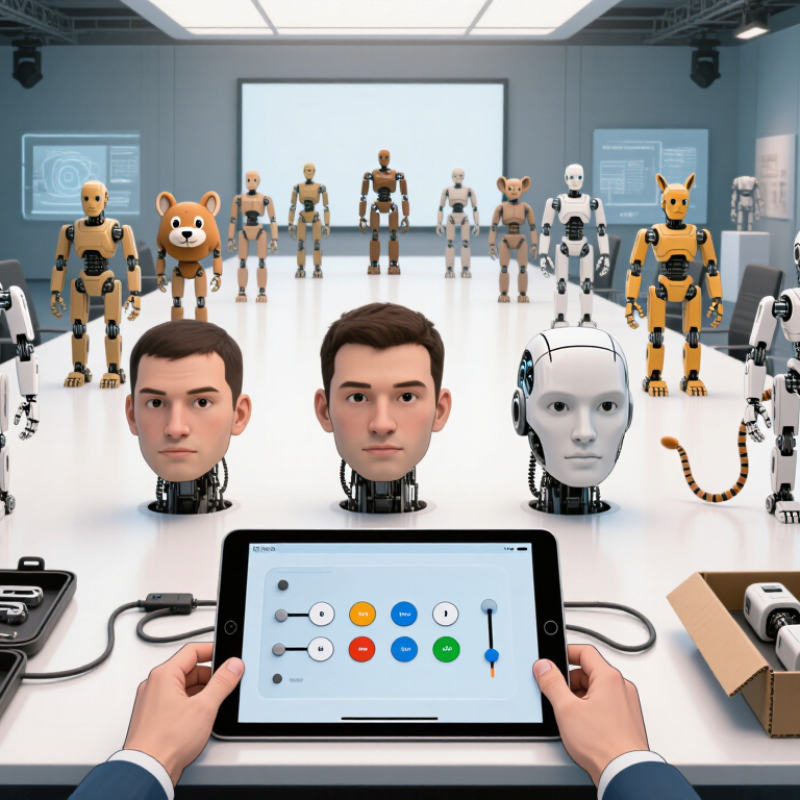
Before choosing a remote controlled animatronic, define the job it needs to do. Should it welcome visitors, support a stage scene, or draw attention to a display? A character designed for frequent interaction may need quieter movement and durable controls. A dramatic stage figure may need larger gestures and timed cues. Write down the expected run time, movement range, sound level, and who will operate it. Small details matter. A head that turns smoothly in a showroom may feel abrupt in a quiet lobby.
Tips: Measure the full performance area, including space behind the figure for cables and access. Check sightlines from seated and standing positions. Note nearby doors, walkways, and lighting. These can change how a movement reads. Keep the list practical.
Match the specifications to the setting. For a low-ceiling room, confirm the figure’s full height with moving parts raised. For a busy venue, ask how the unit handles repeated cycles and routine setup checks. Request a demonstration using the motions you expect, not just a quick wave. Ask about control range and what happens if the signal is interrupted. A detailed checklist helps, but it will not predict every visitor’s reaction. I would leave room to adjust the sequence after seeing it in the actual space. Some plans need revising.
| Planning Tip | Purpose or Setting | Performance Requirements to Define | Questions to Ask Before Buying |
|---|---|---|---|
| 1. Identify the primary purpose | Interactive display, themed attraction, education, promotional event, or theatrical production | Required motions, gestures, sounds, interaction style, and how often the figure will perform | Is the animatronic intended to entertain, explain, attract attention, or support a specific scene? |
| 2. Measure the installation area | Indoor exhibit, stage, retail display, event space, or outdoor installation | Available height, width, depth, access route, operator position, and clearance around moving parts | Will the unit fit through doorways and operate without obstructing visitors, staff, or emergency routes? |
| 3. Match the design to the audience | Family attraction, museum exhibit, adult audience, or supervised special event | Movement speed, sound level, viewing distance, interaction method, and suitable appearance | Will children or other visitors be able to approach, touch, or operate the figure? |
| 4. Specify the movement range | Close-up character display, stage performance, or figure viewed from a distance | Head turns, jaw movement, eye movement, limb motion, repeatability, and any required synchronized actions | Which movements are essential, and which can be omitted to simplify operation and maintenance? |
| 5. Set performance duration and schedule | Occasional demonstrations, scheduled shows, or continuous public operation | Run time per performance, rest periods, daily operating hours, and expected cycles per day | Can the system handle the planned schedule, and how long does it need to cool down or recharge? |
| 6. Choose a practical control method | Single operator, backstage control, interactive installation, or pre-programmed show | Handheld control, wired control, programmed sequences, emergency stop, and operator training needs | Does the control system remain usable from the intended operating position, with a reliable backup procedure? |
| 7. Check power and connectivity | Permanent venue installation, temporary event, or location without convenient mains access | Power supply requirements, cable routing, battery operating time if applicable, and wireless signal conditions | Are suitable outlets available, and could walls, crowds, or other equipment interfere with wireless control? |
| 8. Account for environmental conditions | Climate-controlled interior, covered outdoor area, or exposed outdoor location | Permitted temperature and humidity, protection from rain and dust, surface stability, and storage conditions | Is the equipment rated for the actual environment, or will shelter and additional protection be required? |
| 9. Plan for safety and access | Public-facing display, stage, workshop, or supervised interactive area | Guarding of moving mechanisms, pinch-point protection, emergency shutdown, anchoring, and maintenance access | Can visitors remain at a safe distance, and can staff reach the controls and service points quickly? |
| 10. Confirm service and replacement needs | Short-term event, seasonal attraction, or long-term installation | Inspection schedule, spare parts availability, cleaning method, repair process, and support documentation | What routine checks are required, and how quickly can worn or damaged parts be inspected and replaced? |
Use these points as a planning checklist. Confirm exact operating limits, safety requirements, power specifications, and maintenance instructions with the supplier before purchase.



Copyright © CUSTOM Building Products 2025
Products | Resources | Interactive Tools | Warranties | Privacy Policy | Terms of Use | Technical Training
