


Choosing China’s top Screen Printing Textile Ink suppliers requires more than comparing product catalogs or quoted prices. A reliable supplier should demonstrate consistent color performance, stable viscosity, and dependable delivery. These details matter on a busy production line, where blocked mesh, uneven coverage, or delayed curing can waste fabric and labor.
This guide examines leading Chinese suppliers through practical purchasing criteria. It considers ink types, including water-based, plastisol, silicone, discharge, and specialty formulations. It also reviews factory experience, laboratory testing, production capacity, export service, and technical support. Samples should be tested on the buyer’s actual fabric, mesh count, squeegee pressure, and curing equipment. A bright cotton print may behave differently on polyester or blended textiles.
Real experience matters.
Supplier claims still need verification. Buyers should request technical data sheets, safety documentation, batch records, and recent sample results. Certifications can support credibility, but they do not replace independent testing. Questions about minimum order quantities, color matching, shelf life, packaging, and after-sales response deserve clear answers. Some suppliers may offer attractive prices while providing limited application guidance. Others may be technically strong but slower with communication. This guide recognizes that no ranking is perfect, because performance depends on fabric, equipment, climate, and production goals. Careful comparison remains necessary. The best choice is not always the cheapest one; it is the supplier that delivers repeatable results, transparent service, and practical value over time.
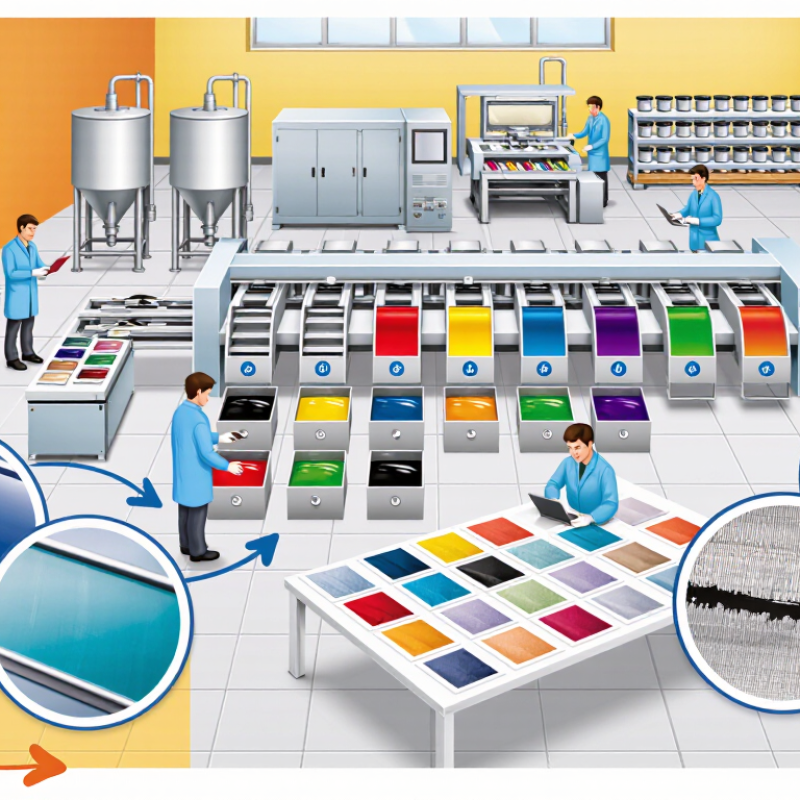
Screen printing textile ink is a coating applied through a fine mesh screen onto fabric. A squeegee pushes the ink through open stencil areas, creating letters, graphics, or solid color blocks. Unlike ordinary paper ink, textile ink must bond with flexible fibers and survive washing, stretching, and daily friction.
Common formulas include water-based, plastisol, and specialty inks. Water-based ink can produce a soft hand feel and a breathable surface, but it may dry inside the screen. Plastisol usually offers strong opacity and easier screen stability, although it needs controlled heat curing. The correct choice depends on fabric type, color, production speed, and the required finish. Cotton, polyester, and blended fabrics can react differently. Testing matters.
In practical sourcing, reliable suppliers should provide technical data sheets, curing guidance, safety documentation, and batch information. A small fabric trial can reveal problems that samples hide, such as poor adhesion, dye migration, or uneven coverage. The first print may look right. It may not.
Experienced printers also check wash durability, stretch recovery, viscosity, and color consistency before placing large orders. Ink performance depends on more than the formula; mesh count, squeegee pressure, drying temperature, and storage conditions all matter. No ink is perfect for every job. A supplier’s clear test methods and honest limitations are often more valuable than impressive claims.



Copyright © CUSTOM Building Products 2025
Products | Resources | Interactive Tools | Warranties | Privacy Policy | Terms of Use | Technical Training
