



Choosing an Acrylic Based Uv Resin is not simply a matter of picking the hardest or fastest-curing option. Buyers must match the resin to the product, substrate, coating method, and available UV equipment. A clear finish on a plastic panel may need different properties from a flexible ink layer or a protective coating on metal. Small details matter.
This guide introduces ten common resin types and formulation approaches, including options designed for flexibility, hardness, adhesion, waterborne processing, or specialized coatings. It also highlights practical comparison points: viscosity, cure wavelength, cure speed, shrinkage, surface finish, and compatibility with the intended substrate. Product data sheets can help narrow choices, but figures measured under different test conditions may not be directly comparable. Ask suppliers how their samples were tested. Then test the resin with your own lamp, coating thickness, and production setup. Test before scaling.
No single type is best for every buyer. A resin that performs well in a thin laboratory sample may behave differently on a textured part or moving production line. That gap deserves attention, even when a specification sheet looks convincing. Review the supplier’s technical documents and safety information, and confirm handling requirements before evaluation. The right shortlist comes from balancing performance, process fit, and consistent supply—not from one impressive number.
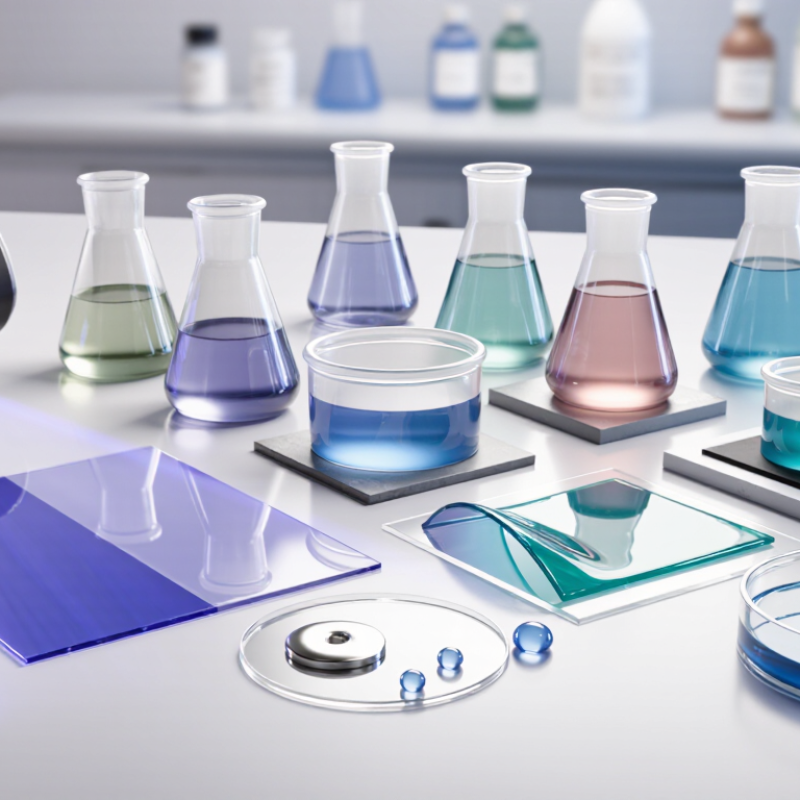
Acrylic-based UV resin is a liquid formulation built around acrylate-functional compounds. When exposed to ultraviolet light, these compounds link into a solid network. In many systems, a photoinitiator absorbs energy within the 200–400 nm UV range and creates reactive species that start polymerization. The resin does not cure merely because it is called “UV.” That distinction matters.
The useful wavelength depends on the photoinitiator, resin thickness, pigment, and lamp output. A formulation that responds near 365 nm may behave differently under a 405 nm source. That wavelength is just beyond the stated UV range. Match the lamp’s measured output, not just its label. For a practical check, cure a thin sample beside a thicker bead. The surface may harden while the center remains tacky. Not always.
Acrylic UV resins can set quickly and capture fine detail in coatings, castings, and small printed parts. But speed is not the whole story. Excessive exposure can create heat or brittleness, while insufficient exposure may leave uncured material. Follow the product’s handling guidance, and use suitable ventilation and protective equipment. A glossy finish does not prove full conversion. Depth, shade, and oxygen at the surface can change results. Formulation variation is real.



Copyright © CUSTOM Building Products 2025
Products | Resources | Interactive Tools | Warranties | Privacy Policy | Terms of Use | Technical Training
