



Choosing a reliable supplier from the Top 10 CDX Pine Plywood Manufacturers in China requires more than comparing prices. Buyers need to assess veneer quality, bonding consistency, panel thickness, and traceable production controls. A sample tells part of the story. The exposed plies, surface patches, and edge bonding tell the rest.
Industry context matters, too. FAOSTAT’s Forestry Production and Trade database tracks wood-based panel production and trade across countries, while the International Tropical Timber Organization’s market reporting follows timber-market conditions and trade developments. These sources help readers understand the broader market, but they do not independently verify individual manufacturers’ claims. Factory audits, current product specifications, and test reports remain essential. Ask suppliers for clear information on wood species, adhesive type, dimensional tolerances, and the tests used to support their stated performance.
Cdx Pine Plyood is often assessed for structural projects where dependable panel quality matters. Yet the term “CDX” alone should not replace a review of the applicable product standard or project requirements. A cautious buyer checks documentation and inspects production evidence before placing a large order. Small details count.
I cannot responsibly attribute a quotation on this topic to a named industry expert without a verifiable source. Any such quote should be checked against the original interview or publication before inclusion. This introduction therefore prioritizes traceable industry references over an unverified endorsement.
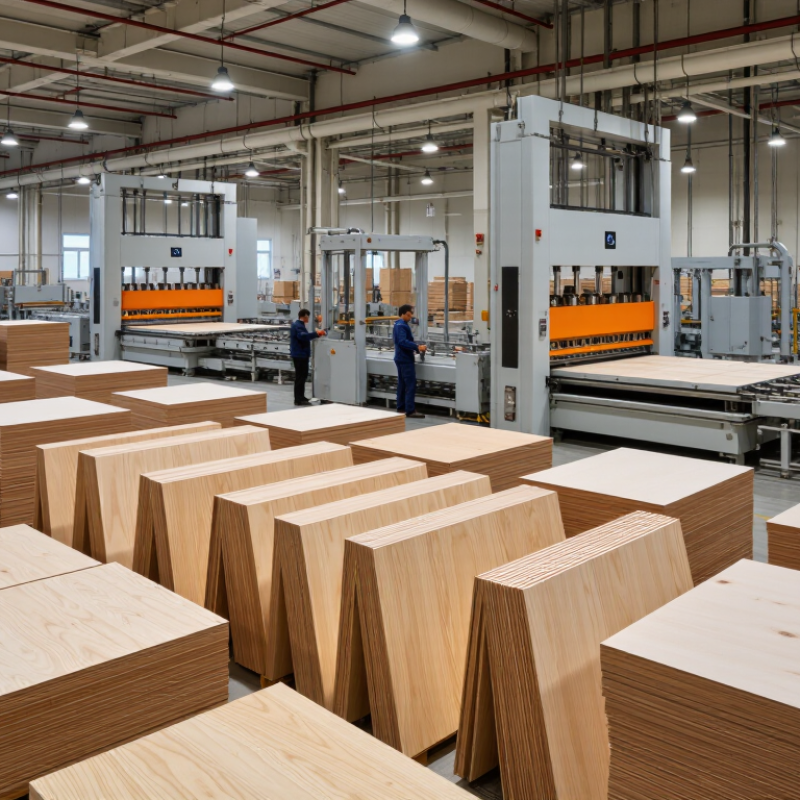
CDX pine plywood is a structural panel made from thin pine veneers. “C” and “D” describe the visible face grades, while “X” indicates exterior-type adhesive exposure. It does not mean permanently waterproof. That distinction matters on building sites.
Manufacturing starts with debarked pine logs. A rotary lathe peels them into thin veneers, often near 1.5 to 3 millimeters thick. The veneers are dried, trimmed, and graded for knots, splits, and open defects. Workers then arrange each layer with its grain crossing the next one. This cross-lamination improves dimensional stability and distributes loads more evenly. Adhesive is applied between layers before hot pressing forms a rigid panel.
The USDA Forest Products Laboratory’s Wood Handbook identifies cross-lamination as a key reason plywood resists splitting and movement. The same reference notes that moisture content strongly affects wood performance. The FAO Forestry Production and Trade Yearbook reported roughly 399 million cubic meters of global wood-based panel production in 2022, showing the scale of this material sector.
Yet production volume does not guarantee consistent quality. Press temperature, veneer moisture, glue spread, and edge sealing can vary. A panel may look sound but contain weak bonding inside. Careful buyers should check thickness, panel grade, formaldehyde documentation, and compliance with applicable structural standards. A damp storage yard can also damage good plywood before installation. That is an easy detail to underestimate.



Copyright © CUSTOM Building Products 2025
Products | Resources | Interactive Tools | Warranties | Privacy Policy | Terms of Use | Technical Training
