7 Tips for Choosing the Best Ceramic Toilet Pan?
Choosing a Ceramic Toilet Pan is rarely as simple as selecting the most attractive model. A glossy white finish may look excellent in a showroom, yet poor sizing can create serious installation problems. The pan must match the bathroom’s rough-in distance, outlet position, water connection, seat height, and available floor space. Measure the area carefully, including the door swing and nearby basin. Small mistakes become expensive after delivery.
Richard Trethewey, a master plumber and longtime plumbing educator, offers a useful principle: “Choose performance over appearance.” That advice fits ceramic toilet pans perfectly. A reliable model should have a smooth, well-glazed surface, an effective flushing system, a stable footprint, and accessible replacement parts. Examine the trapway and rim closely. Hidden corners can collect residue, while uneven glazing may reveal weak quality control. Ask for test information, warranty terms, and installation guidance from the manufacturer or supplier.
This guide presents seven practical tips for comparing Ceramic Toilet Pan options with greater confidence. It considers flushing performance, ceramic quality, dimensions, comfort, cleaning effort, water efficiency, and long-term support. Some buyers focus too much on style. I have made that mistake before, especially when a low-cost model looked convincing under bright showroom lights. It later needed extra adjustments. A cheaper pan is not always economical. Nor is an expensive pan automatically better. The right decision depends on measured compatibility, verified performance, and honest attention to daily use.
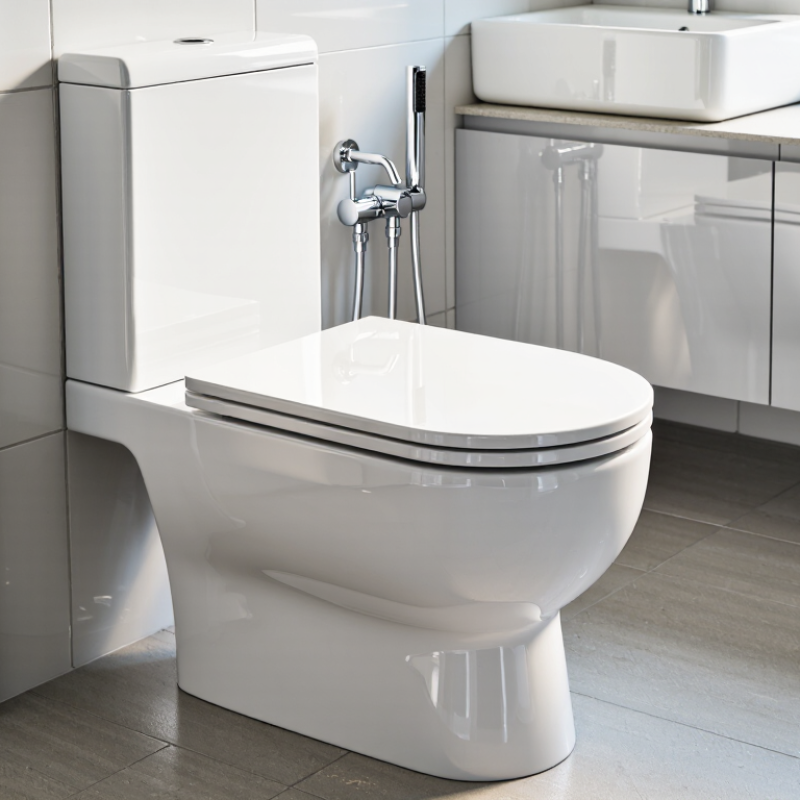
Understand Ceramic Toilet Pan Types and Designs
Choosing the Best Ceramic Toilet Pan: Understand Types and Designs
Ceramic toilet pans differ in shape, installation, flushing design, and waste outlet position. A two-piece pan has a separate cistern and usually allows easier repairs. A one-piece design has fewer joints, so dust and moisture collect less easily. Wall-hung pans create a cleaner floor area, but their concealed frame needs careful installation. They may also cost more to service later.
Tip 1: Check the outlet before choosing a shape.
P-trap pans connect through the wall, while S-trap pans connect through the floor. Measure the rough-in distance from the wall to the pipe centre. I have seen attractive pans fail during fitting because this measurement was ignored.
Tip 2: Compare rimmed and rimless designs.
Rimless pans expose more of the bowl during flushing, making cleaning easier. However, water movement can vary between models. Ask for verified flushing information, not only showroom claims. Look for a smooth, fully glazed surface without pinholes, rough patches, or uneven colour. These small defects may become difficult to clean.
Tip 3: Match the pan to the bathroom’s users.
An elongated bowl may provide more sitting space, while a compact round bowl suits narrow rooms. Check seat height, door clearance, and cleaning access. A dual-flush cistern can reduce water use, but only when the smaller flush clears the bowl reliably. Local plumbing requirements also matter. I would recheck every measurement before ordering, because design preference cannot correct an unsuitable connection.
Measure Your Bathroom Space and Plumbing Requirements
Choosing the best ceramic toilet pan starts with accurate bathroom measurements. A beautiful pan will not work if the room cannot accommodate it. Measure the available length from the finished wall to the front of the pan. Leave enough clearance for knees, cleaning, and door movement. Measure twice.
Check the plumbing before choosing a model. Record the rough-in distance from the finished wall to the centre of the waste outlet. Do not measure from an unfinished wall. Floor outlets and wall outlets require different pan designs. Also check the water inlet position, pipe diameter, and valve access. A few centimetres can change the installation completely.
In practical bathroom fitting, I have seen plans fail because skirting boards were ignored. Uneven tiles can also make a ceramic pan rock slightly. A level floor and a suitable fixing method are essential. Confirm the waste pipe alignment before delivery, especially in older homes. If the measurements seem unclear, ask a qualified plumber to inspect them. That small cost may prevent broken tiles and repeated fitting work. I once trusted a floor plan without checking the actual pipe position. It was nearly right, but nearly is not enough.cuntegn
7 Tips for Choosing the Best Ceramic Toilet Pan: Measure Your Bathroom Space and Plumbing Requirements
Before choosing a ceramic toilet pan, measure the available bathroom space and check the plumbing position. Common residential planning references include at least 21 inches of clear space in front of the toilet, 15 inches from the toilet centerline to each side obstruction, and a 12-inch rough-in measured from the finished wall to the waste outlet centerline. Local building codes and the selected toilet model may require different dimensions.
Compare Flush Performance, Water Use, and Bowl Shape
When choosing a ceramic toilet pan, watch the flush, not just the glossy finish. A strong flush should move waste fully through the trapway with one consistent release. Ask for the flush volume and check whether it meets local efficiency standards. Water-saving models often use around 4.8 litres per flush, but performance can vary between designs. A showroom demonstration helps, although it cannot copy daily household use. Listen for weak refills and observe whether water reaches the entire bowl.
Bowl shape also affects comfort and cleaning. Elongated bowls usually provide more sitting space, while round bowls suit compact bathrooms. Measure the available area before buying. A narrow rim may look modern, but awkward curves can hold residue. Look for smooth ceramic surfaces, balanced water coverage, and an accessible trapway. I once chose a compact pan that saved space, yet its shallow bowl needed more frequent cleaning. That was my mistake.
Compare the advertised water use with independent test information when possible. Some figures describe ideal laboratory conditions. Real results depend on pipe layout, water pressure, and household habits. Check the pan’s rough-in measurement and seat height before installation. A professional installer can confirm alignment and drainage requirements. Do not rely on appearance alone. Touch the inner surface, inspect the glaze under bright light, and ask how replacement parts remain available. No test is perfect. Recheck your priorities.
Check Installation Needs, Compatibility, Warranty, and Price
7 Tips for Choosing the Best Ceramic Toilet Pan
Check the installation space before choosing a ceramic toilet pan. Measure the rough-in distance from the wall to the waste outlet, not just the room width. Confirm whether the pan needs a floor outlet or rear outlet. Also inspect the floor level and water supply position. A small mismatch can create leaks, awkward pipe bends, or an unstable fit. Measure twice.
Compatibility matters as much as appearance. Match the pan with the cistern, seat, flush valve, and existing waste connection. Check the outlet diameter and mounting points carefully. If replacing an older toilet, photograph the current connections before shopping. This simple step can prevent an expensive return. I once trusted a product drawing without checking the actual pipe position. It caused unnecessary adjustment work. Product drawings are useful, but site measurements are more reliable.
Review the ceramic quality, glaze coverage, and cleaning design. Smooth surfaces usually resist staining better, though no toilet stays clean without regular care. Ask about the warranty period and what it covers, especially cracks, glazing defects, and fittings. Read the installation conditions, because poor fitting may limit warranty support. Finally, compare the total price, including delivery, seals, labor, and possible plumbing changes. The cheapest pan is not always economical. A slightly higher price may offer stronger materials, better compatibility, and fewer repair problems. Look beyond the showroom finish.