



Choosing the right flooring can significantly impact your home's aesthetic and functionality. PVC floors have gained popularity due to their durability and affordability. According to a recent report by the Resilient Floor Covering Institute, the demand for PVC flooring is expected to grow at a CAGR of over 6% from 2021 to 2026. This growth is driven by their water-resistant properties and ease of maintenance.
When considering PVC floors, homeowners often overlook vital factors. Not all PVC flooring is created equal. Some options may lack the necessary certifications or quality, leading to issues down the road. For instance, phthalate-free options are recommended for sustainability and health reasons. Buyers tend to lean towards style but should also prioritize quality and safety.
Investing in PVC floors means balancing aesthetics with practicality. Homeowners need to understand their lifestyle needs before making a decision. Moreover, exploring different brands and their warranties can provide better insight into long-term performance. A well-informed choice can enhance every aspect of a home, providing beauty and reliability.
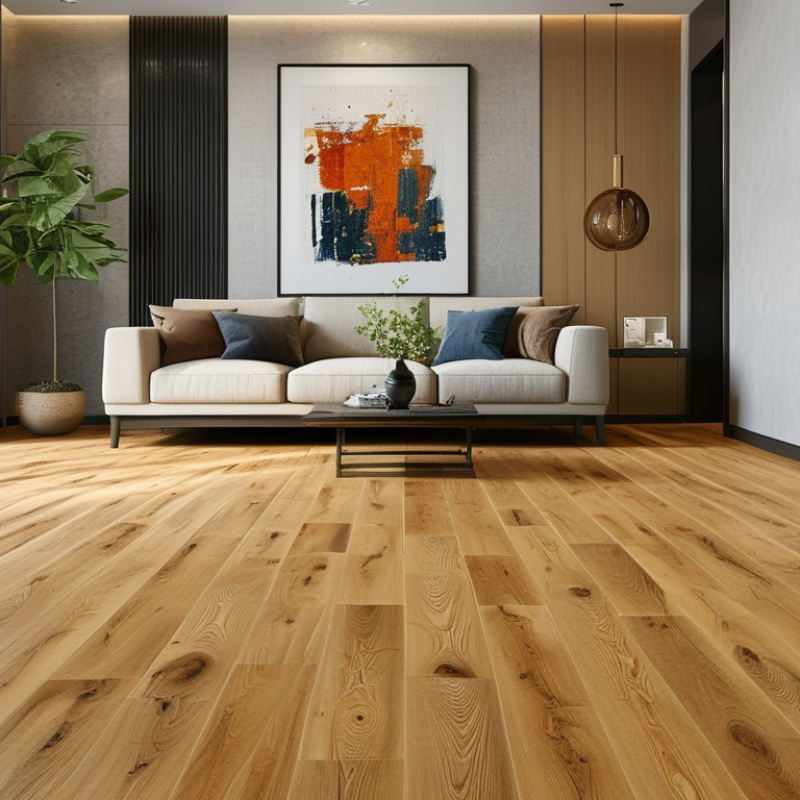
When considering PVC floors for your home, it is essential to understand the variety of options available. PVC flooring types include homogenous, heterogeneous, and luxury vinyl. Homogenous PVC floors are made from a single layer of material, offering durability and ease of maintenance. Their consistent color throughout the thickness makes scratches less noticeable. Heterogeneous PVC floors, on the other hand, consist of multiple layers and can mimic natural materials. Luxury vinyl planks provide a higher-end look, featuring intricate designs and textures.
Selecting the right type of flooring can significantly impact the aesthetics and acoustics of your home. According to recent market reports, the global PVC flooring market is expected to grow due to its appeal in both residential and commercial spaces. This highlights the increasing preference for stylish yet functional flooring options.
When choosing PVC floors, consider long-term performance and sustainability. Opt for options with low VOC emissions for healthier indoor air quality. Pay attention to the wear layer, as it protects against scratches and stains. Factor in individual needs, such as foot traffic levels and moisture resistance. Make sure to compare warranty offerings; a solid warranty indicates confidence in the product's longevity. Understanding these aspects can vastly improve your experience and satisfaction with your chosen PVC flooring.



Copyright © CUSTOM Building Products 2025
Products | Resources | Interactive Tools | Warranties | Privacy Policy | Terms of Use | Technical Training
