



Choosing Light Teak Grain Wooden Venetian Blinds involves more than matching a warm colour to your walls. The surface should complement your flooring, furniture, and natural daylight. In a bright room, teak-inspired tones can soften harsh sunlight and create a calm, balanced atmosphere. However, screen images rarely show the complete finish. A small sample reveals more.
This guide presents seven practical tips for making a dependable choice. It considers slat width, timber quality, coating performance, privacy, light control, and operating comfort. Room conditions matter too. Kitchens and bathrooms expose blinds to moisture, heat, and changing temperatures. A reputable supplier should explain the wood type, finish, cord or motor options, and care requirements clearly. Ask for measurable details, not only attractive descriptions.
A careful check prevents expensive disappointment. The grain may appear subtle in a catalogue but look stronger across a wide window. Remember that. Colour can also shift under morning, afternoon, and artificial light. Viewing a sample beside your existing furniture is sensible. Installation deserves attention as well. Accurate measurements support smoother movement and a cleaner frame fit.
Even experienced buyers can overlook small details, such as stack height or cleaning access. That is why practical testing remains valuable. Open and close the sample, inspect the tilt mechanism, and consider daily use. The perfect blind may not exist. A well-informed compromise usually performs better than a rushed, beautiful choice.
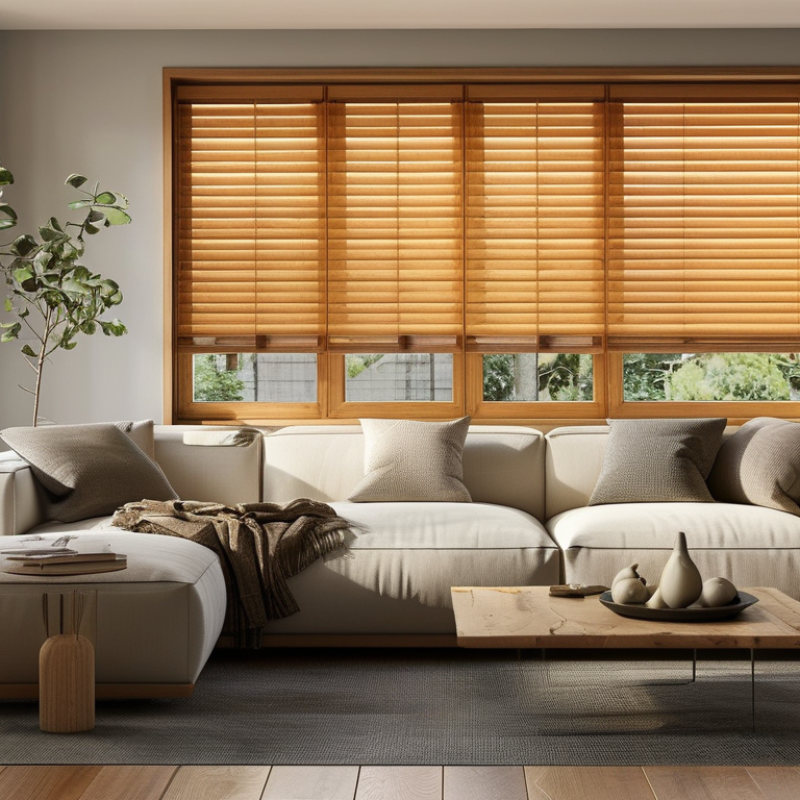
Understanding Light Teak Grain Wooden Venetian Blinds starts with the material, not the color sample. “Light teak grain” usually describes a warm wood finish, rather than solid teak. Check the core, veneer, slat thickness, and finish quality. A printed grain can look flat under direct sunlight. Natural variation looks more convincing. Request a physical sample before ordering.
Measure the window at three points. Small frame differences matter. Choose wider slats for broad windows and stronger visual lines. Narrower slats suit compact rooms and allow finer light control. Test the blind beside your flooring and wall paint. Warm teak can appear yellow against cool white surfaces. Avoid choosing from a phone screen. It misleads.
The U.S. Department of Energy reports that effective daylighting can reduce lighting energy use by 20% to 75% in suitable buildings. Tilt the slats upward for softer ceiling light, then close them near sunset for privacy. The USDA Forest Products Laboratory’s Wood Handbook explains that wood responds to moisture changes. Keep indoor humidity near the U.S. Environmental Protection Agency’s recommended 30%–50% range. Kitchens and bathrooms need extra care. Moisture damage is rarely dramatic at first. Check for swelling, edge lifting, and uneven movement. One overlooked detail is the control position; cords or wands should remain easy to reach without blocking the window handle.



Copyright © CUSTOM Building Products 2025
Products | Resources | Interactive Tools | Warranties | Privacy Policy | Terms of Use | Technical Training
