



Choosing among Carbon Steel Plate Manufacturers is not a simple price comparison. The decision affects structural safety, fabrication efficiency, delivery schedules, and long-term maintenance. A low quotation may hide weak traceability, inconsistent thickness, or incomplete inspection records. Look closer.
Experienced buyers examine more than a polished website. They review production capacity, steel grades, heat-treatment procedures, testing equipment, and export experience. ASTM A36, ASTM A572, and EN 10025 plates may look similar, yet their chemistry and mechanical performance differ. Ask for recent mill test certificates, heat numbers, dimensional reports, and ultrasonic testing records. A reliable manufacturer should explain these documents clearly, not avoid technical questions.
Metallurgist George Krauss wrote, “The microstructure of steel is the key to understanding its properties.” That principle remains practical on a busy fabrication floor. Grain structure, carbon content, rolling history, and cooling control can influence welding, bending, and impact performance. The best Carbon Steel Plate Manufacturers connect laboratory data with real production results. They can discuss edge quality, flatness, surface scale, cutting tolerances, packaging, and shipment protection.
Still, no supplier is perfect. Even a respected mill may face production delays, communication gaps, or occasional surface defects. That is why this guide examines seven practical selection tips, including certification, quality control, capacity, customization, pricing, logistics, and after-sales support. Request samples when possible. Compare evidence, not promises. A careful choice may cost slightly more, but it can prevent rejected plates, halted fabrication, and expensive rework later.
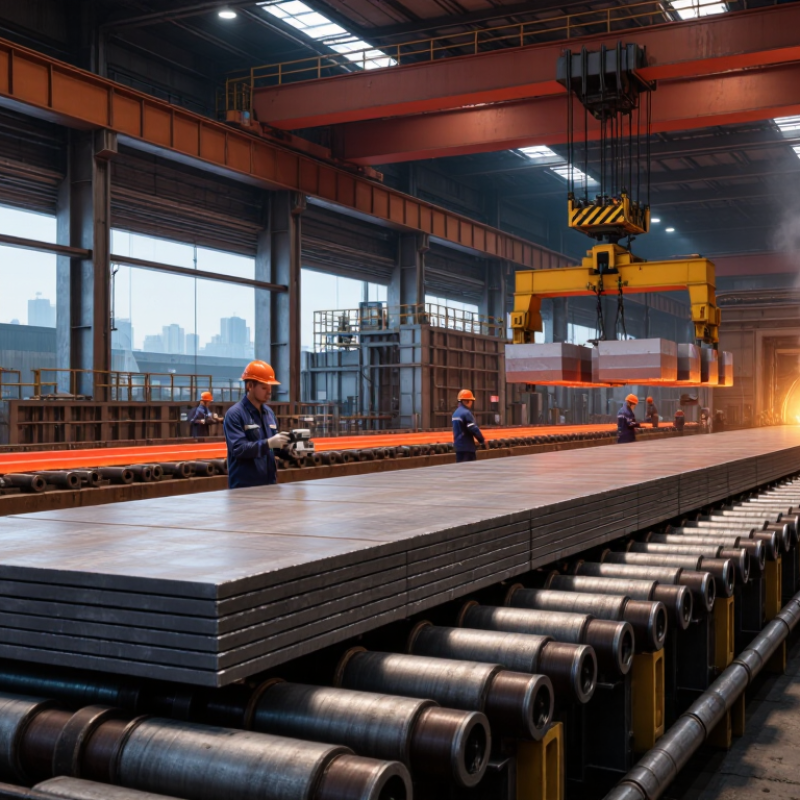
Before comparing carbon steel plate manufacturers, define the material precisely. List the required grade, thickness, plate dimensions, and delivery condition. ASTM A36 is widely used for structural applications, but it may not suit every load, temperature, or welding environment. Ask an engineer to confirm the grade before requesting quotations.
Thickness deserves careful attention. A six-millimeter plate and a twenty-millimeter plate can require different rolling controls, testing, and dimensional tolerances. State the permitted thickness variation, flatness, cut-size tolerance, and edge condition. Include the required standard, such as ASTM A36, and clarify whether supplementary tests are necessary. Charpy impact testing may matter for low-temperature service.
Request traceable documentation from each manufacturer. A reliable supplier should provide mill test certificates, heat numbers, chemical analysis, mechanical results, and inspection records. Check that the certificate matches the plate markings and purchase specification. Small details matter. Compare production capacity, inspection procedures, packaging, and delivery experience with similar plate sizes.
A practical mistake is choosing the lowest price before confirming the specification. That decision can create welding delays, rejected plates, or expensive rework. I would also review sample documents, not only sales claims. Some requirements may remain unclear, especially when project drawings use older standards. Clarify them in writing before production begins.



Copyright © CUSTOM Building Products 2025
Products | Resources | Interactive Tools | Warranties | Privacy Policy | Terms of Use | Technical Training
