



Choosing a High-Quality Electronic Dino Supplier takes more than comparing prices and glossy product photos. A dinosaur that roars on a showroom shelf may arrive with a weak speaker, stiff jaw, or battery cover that does not sit flush. Small details matter. Buyers should check samples, documented quality controls, component consistency, and how suppliers handle defects.
Circana’s 2024 Global Toy Industry Report found that global toy sales fell 7% in 2023 compared with 2022, while remaining 17% above 2019 levels. Those figures describe the wider toy market, not electronic dinosaurs alone. Still, they underline why buyers need reliable product differentiation and careful cost control. Toy-industry analyst Richard Gottlieb offers useful market context through his published commentary on the toy business; rather than invent a direct quotation, this guide uses a plain buyer’s principle: “Ask for evidence before you trust the roar.”
Look closely. Request a working sample and test its walking motion, sound, switches, and battery access. Ask for inspection records, material specifications, and clear answers about production changes. A polished sample is not proof that every shipment will match it. Buyers can miss that point, especially when deadlines are tight. The tips ahead focus on practical checks for finding a High-Quality Electronic Dino Supplier, assessing communication, consistency, and after-sales support. Some choices remain judgment calls. That is worth admitting. A careful review cannot remove every risk, but it can make surprises less likely.
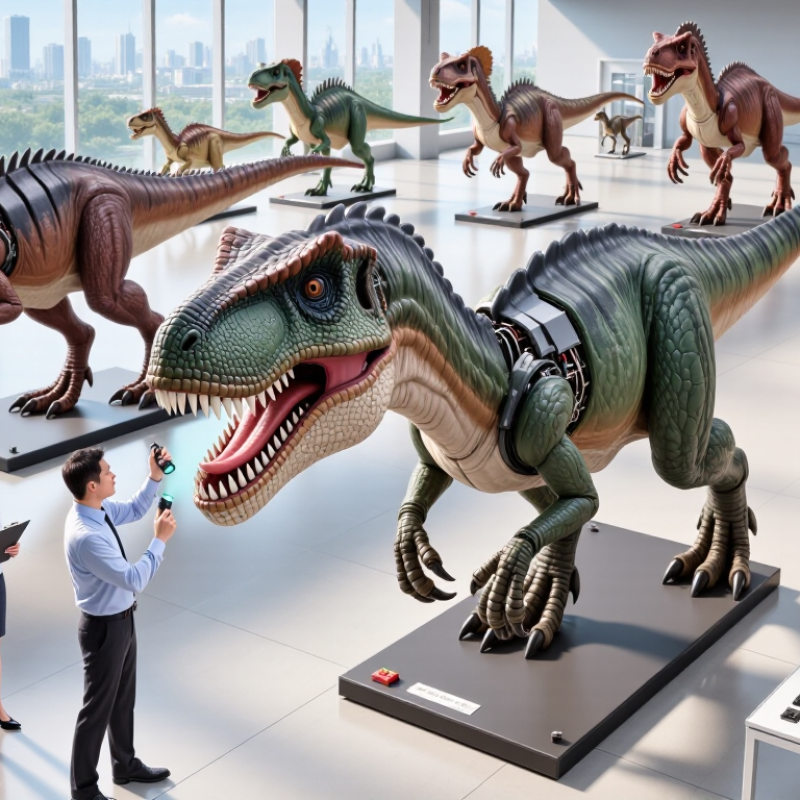
Treat ASTM F963 as a design checkpoint, not a logo on a supplier’s brochure. For a U.S.-bound electronic dinosaur toy, confirm the applicable edition and age grade before reviewing test records. The standard addresses hazards such as small parts, sharp edges, accessible mechanisms, and electrical components. Ask for reports from a qualified independent laboratory that identify the exact model tested. A report for a similar dinosaur may not cover your product’s materials, battery type, or moving features.
Look closely at the details children can touch: the battery door, exposed wires, joint gaps, and detachable claws or teeth. Check that the test scope reflects the toy’s sounds, lights, and motions, especially if a design change affects how it operates. Request clear records linking the tested sample to production units, plus a process for reviewing design changes. Keep the documents.
A supplier’s confident answer is useful, but evidence matters more. It is easy to overlook a tiny screw or a loose tail joint during a showroom review. Ask questions, compare the paperwork, and pause if an answer is vague. No test report replaces careful review of the finished product.



Copyright © CUSTOM Building Products 2025
Products | Resources | Interactive Tools | Warranties | Privacy Policy | Terms of Use | Technical Training
