Top Tile Underlayment Membrane Benefits and Best Options?
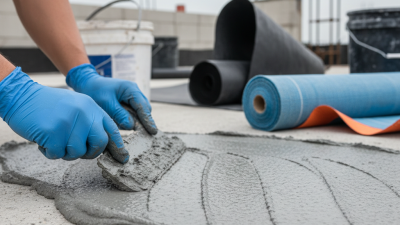
When considering tile installation, the choice of tile underlayment membrane is crucial. This component serves as a foundation, impacting the long-term durability of your flooring. A quality underlayment can prevent moisture damage and reduce noise. These membranes come in various types, each offering distinct advantages.
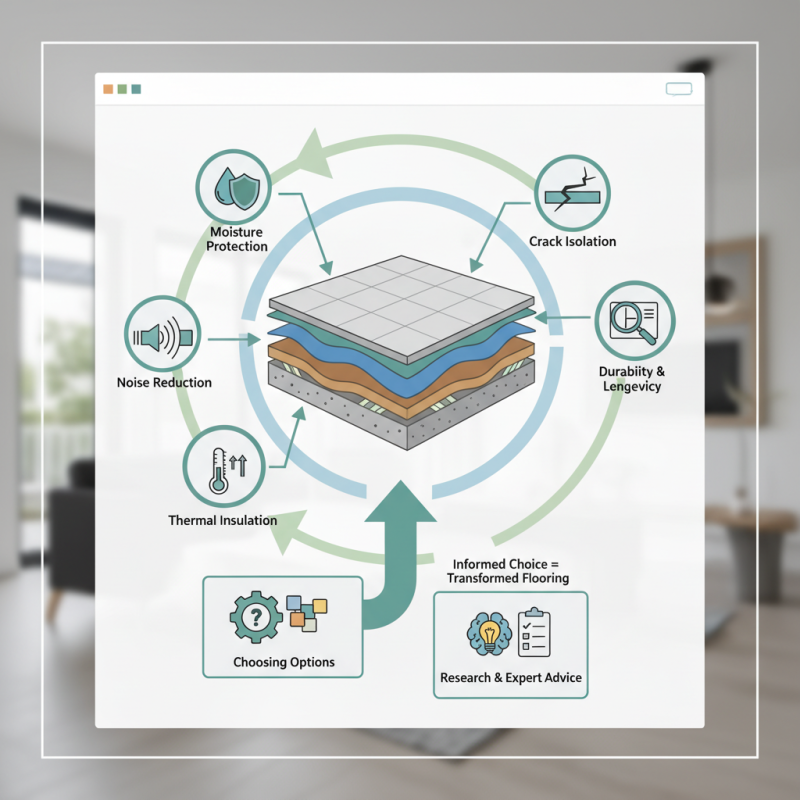
Understanding the benefits of tile underlayment membranes is essential for homeowners and professionals alike. They enhance thermal insulation, making spaces more comfortable. Some membranes even provide crack isolation, ensuring that your beautiful tiles remain intact. Many users find themselves overwhelmed by the options available. Selecting the right membrane requires careful thought.
However, not every product suits every project. Some may offer less effective moisture protection than advertised. Careful evaluation of product specifications and expert advice can help in making an informed choice. Investing time in research pays off in the long run. Choosing the right tile underlayment membrane can transform your flooring experience while avoiding potential pitfalls.
Benefits of Using Tile Underlayment Membranes for Flooring Projects
Tile underlayment membranes play a crucial role in flooring projects. They enhance durability and stability, which are essential for long-lasting installations. According to a recent industry report, over 70% of flooring failures can be traced back to inadequate support or moisture issues. This highlights the importance of choosing the right underlayment for every tile application.
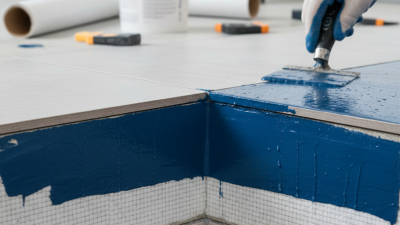
One key benefit of these membranes is moisture control. Many underlayment options are waterproof, preventing damage from potential leaks or spills. In a study conducted by the Tile Council of North America, it was found that installations using underlayments had a 50% lower rate of moisture-related failures compared to those without. This statistic emphasizes the effectiveness of these products in protecting your investment.
Additionally, tile underlayment membranes can reduce sound transmission. Noise reduction is often overlooked in flooring projects, yet it significantly impacts comfort. Some membranes can provide an 18 dB sound reduction, which fosters a quieter environment. However, not all membranes achieve this standard. It's essential to evaluate options carefully to ensure they meet acoustic performance requirements for your specific needs.
Top Tile Underlayment Membrane Benefits and Best Options
| Benefit |
Description |
Best Option |
| Moisture Protection |
Prevents moisture-related issues such as mold and mildew. |
Polyethylene Membranes |
| Crack Resistance |
Helps mitigate cracks from subfloor movements. |
Cementitious Membranes |
| Sound Insulation |
Reduces noise transmission between floors. |
Acoustic Underlayment |
| Thermal Insulation |
Improves warmth underfoot and energy efficiency. |
Foam Underlayment |
| Ease of Installation |
Simplifies the flooring installation process. |
Peel and Stick Membranes |
Factors to Consider When Choosing Tile Underlayment Membranes
When selecting tile underlayment membranes, consider several key factors for optimal results. The first aspect is moisture resistance. This is crucial, especially in areas prone to humidity. A membrane that prevents moisture intrusion protects your flooring and enhances its longevity. Look for products designed specifically for wet environments.
Another important factor is sound attenuation. A good underlayment can dampen noise, making your space more comfortable. If you're laying tile in a multi-story building, soundproofing should be a priority. Check the specifications and test ratings of the materials to measure their effectiveness.
Lastly, consider the ease of installation. Some membranes require extensive preparation, while others are more user-friendly. This can save you time and labor costs. However, don’t overlook the complexity of installation criteria. Mistakes during installation can lead to significant future issues. Ensure you fully understand the installation requirements before committing.
Top Tile Underlayment Membrane Benefits
This bar chart illustrates the key benefits of different tile underlayment membranes. The data includes factors such as moisture resistance, sound absorption, thermal insulation, and ease of installation.
Comparison of Popular Tile Underlayment Membrane Materials and Their Uses
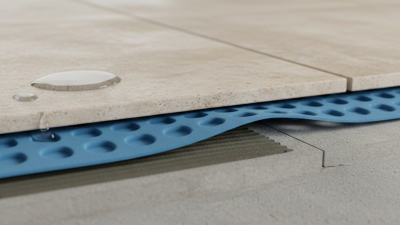
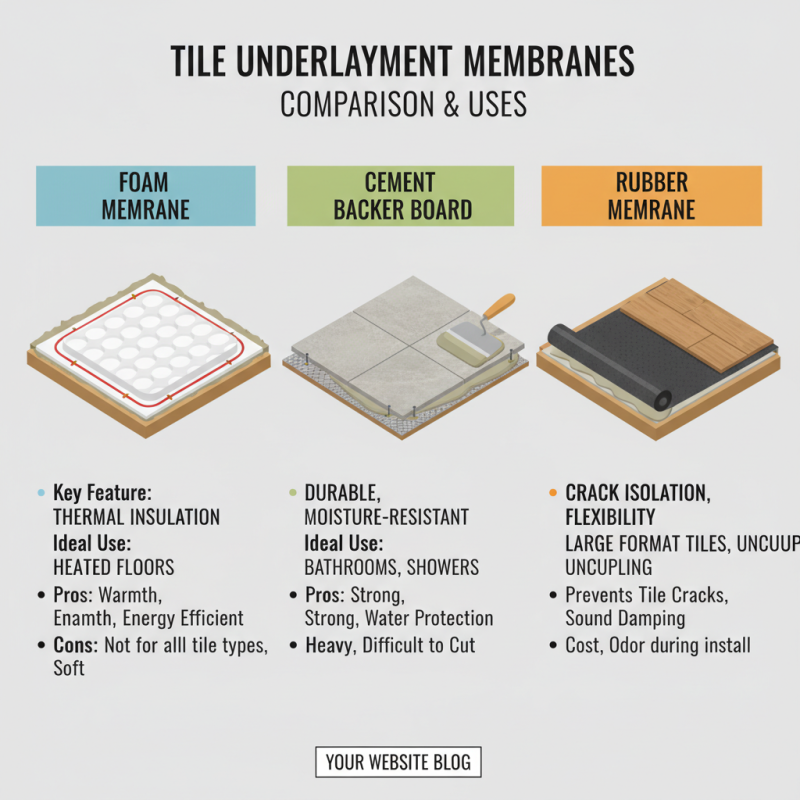
When selecting a tile underlayment membrane, it's essential to consider the material's characteristics and intended use. Common options include foam, cement backer board, and rubber membranes. Foam membranes provide excellent thermal insulation, making them ideal for heated floors. However, they may not be suitable for all tile types. Cement boards are durable and moisture-resistant, but they can be heavy and harder to install.
Rubber membranes offer unique advantages, like sound dampening. They effectively reduce noise transmission, making them suitable for multi-family units. However, this material can be costly compared to alternatives. Each option has benefits, but trade-offs exist. Assess your project needs carefully before making a choice.
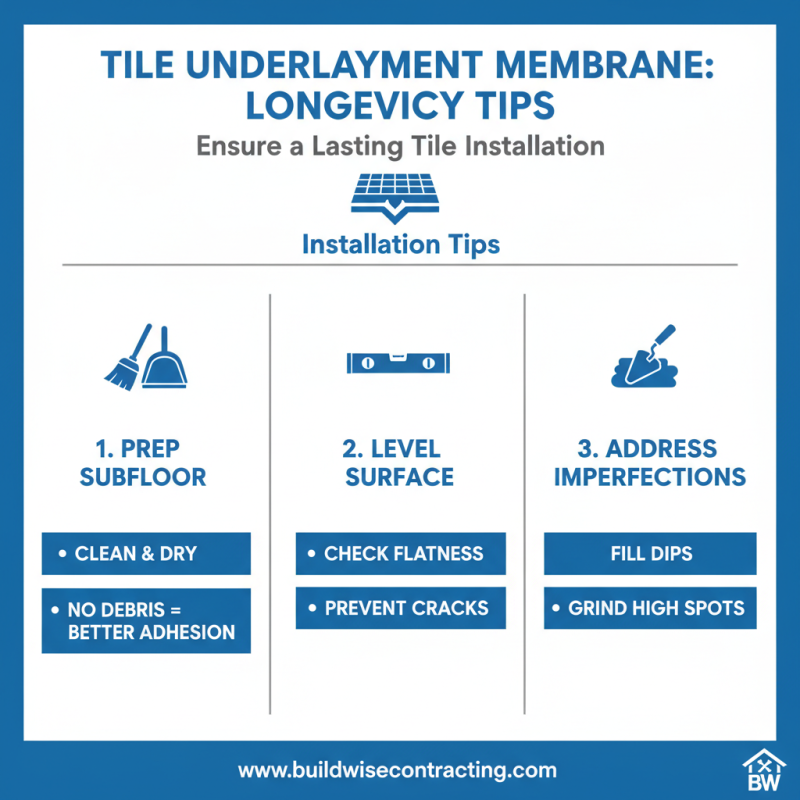
Tips: Ensure your subfloor is clean and dry before installation. A brittle or wet surface can lead to future issues. Always follow manufacturer guidelines for application. Consider professional installation if you're unsure about the process. Relying on expert advice can minimize mistakes and ensure longevity.
Installation Tips for Tile Underlayment Membranes to Ensure Longevity
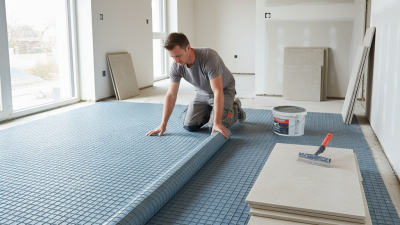
When installing tile underlayment membranes, proper techniques are crucial for longevity. Start by preparing the subfloor. Ensure it's clean and dry. Any debris can affect adhesion. Use a level to check for flatness. Address dips or high spots before proceeding. An uneven surface can lead to cracks later.
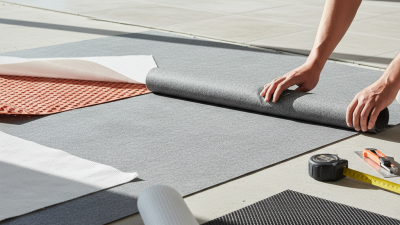
Application of the membrane is also vital. Follow the manufacturer's guidelines closely. Roll out the membrane with the directional arrows facing the same way. Overlap seams by at least 6 inches, ensuring tight seals. Many installers rush through this step. However, a sloppy installation can cause problems down the line.
Don't overlook the importance of acclimating the tiles. Let them adjust to the room temperature before installation. This helps prevent expansion or contraction. Once everything is ready, use a quality thin-set for bonding. Apply it evenly, ensuring full contact with the membrane. Pay attention to these details. They contribute significantly to the durability of your tile project.
Maintenance and Care Guidelines for Tile Underlayment Membranes
Maintaining tile underlayment membranes is crucial for maximizing their lifespan. Regular inspections can help identify potential issues early. Research indicates that around 20% of flooring problems stem from improper installation or care. This highlights the need for best practices in maintenance.
Cleaning is essential. Avoid harsh chemicals that might damage the membrane. Instead, use mild detergents and warm water. It’s advisable to clean spills immediately. Prolonged exposure to moisture can compromise the membrane's integrity. Ensure proper ventilation in areas with high humidity.
Proper installation plays a key role in overall performance. Many professionals recommend a minimum of 24 hours drying time for adhesives. This precaution reduces the risk of moisture entrapment. Studies suggest that poorly installed membranes fail 30% faster. Monitoring for cracks and discoloration can prevent bigger issues down the line. Regular upkeep will enhance both durability and effectiveness.