Why Is Shower Membrane Essential for Your Bathroom Design?
When designing a bathroom, one often overlooks key elements. A vital component is the shower membrane. It's an essential barrier that protects your bathroom from water damage. Without it, leaks can cause severe structural issues over time.
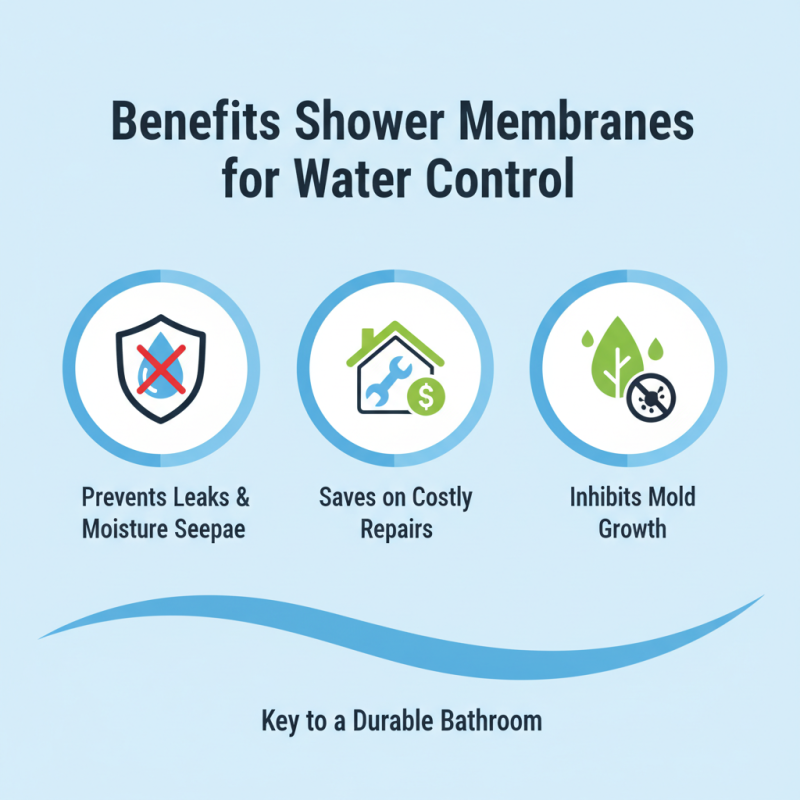
A quality shower membrane prevents moisture from seeping into walls and floors. This means fewer repairs and mold growth. Imagine stepping into your shower, feeling secure knowing your investment is protected. Yet, many homeowners neglect this vital aspect, leading to future regrets.
Choosing the right shower membrane requires careful thought. Not all membranes are created equal. Different materials offer various benefits. You might find some expensive options, yet cheaper choices can lead to bigger problems. A good shower membrane is a critical part of any bathroom design.
The Functionality of Shower Membranes in Bathroom Design
Shower membranes play a crucial role in bathroom design. They provide a waterproof barrier that protects walls and floors. Without this protection, water can seep into the structure. Over time, this may lead to mold and structural damage. A simple leak can create significant repairs.
Incorporating a membrane isn’t just about function. It influences design choices too. Different materials and colors are available. Choosing the right one can enhance the aesthetic appeal of your shower space. However, some might overlook this vital element. This can result in expensive issues later.
Professional installation is essential. A poorly installed membrane may not function correctly. This mistake can lead to costly repairs and renovations. Homeowners should not rush this decision. Taking time to understand the options can save headaches in the long run. The right shower membrane balances practicality and design, making it an essential aspect of any bathroom.
Benefits of Using Shower Membranes for Water Control
Shower membranes play a crucial role in bathroom design, especially for efficient water control. They act as barriers, preventing moisture from seeping into walls and floors. This is vital for maintaining the integrity of your bathroom. A well-installed membrane can save you from costly repairs down the line. Leaks can develop if the membrane is not properly placed. This can lead to mold growth, which is difficult to remove.
The benefits of shower membranes extend beyond protection. They can enhance the overall aesthetic of the bathroom. A well-kept space feels inviting and fresh. Membranes allow for a variety of design options without the worry of water damage. However, installation needs precision. An imperfect fit can create future problems. Even small mistakes can lead to significant issues.
Considering all these details, every bathroom should prioritize the use of shower membranes. They are not just functional but also add to the design's longevity. Keep in mind that choosing the right materials is essential. Reflect on your options before making a decision.
Choosing the Right Shower Membrane Material for Your Needs
Choosing the right shower membrane is crucial for a successful bathroom design. It acts as a barrier against water damage, mold, and mildew. According to a report from the National Kitchen and Bath Association, improper waterproofing can lead to costly repairs. Water intrusion is cited as a leading cause of structural damage in homes, accounting for approximately 40% of all insurance claims related to bathrooms.
There are various materials available for shower membranes. PVC and CPE membranes are popular due to their durability and flexibility. They can adapt to different shapes and sizes. In contrast, liquid membranes offer ease of application, particularly in complex layouts. Many homeowners overlook these factors, focusing only on aesthetics. However, the right material can significantly impact longevity and safety.
When selecting materials, always consider your specific situation. The thickness, elasticity, and resistance to chemicals can vary. Some options may seem appealing but may not suit your needs. Research indicates that 30% of homeowners wish they had chosen a better waterproofing option after installation. Before making a decision, assess your shower's conditions carefully.
Why Is Shower Membrane Essential for Your Bathroom Design?
| Material Type |
Water Resistance |
Durability |
Ease of Installation |
Cost |
| PVC Membrane |
Excellent |
Moderate |
Easy |
Low |
| CPE Membrane |
Good |
High |
Moderate |
Medium |
| EPDM Membrane |
Excellent |
Very High |
Challenging |
High |
| TPO Membrane |
Good |
High |
Easy |
Medium |
| Bituminous Membrane |
Moderate |
High |
Challenging |
Low |
Installation Tips for Effective Shower Membrane Application
The installation of a shower membrane is critical for any bathroom. It serves as a waterproof barrier, preventing water damage to underlying structures. Reports indicate that nearly 37% of homeowners experience water-related issues due to improper waterproofing. Without a proper membrane, mold and mildew can thrive in damp spaces.
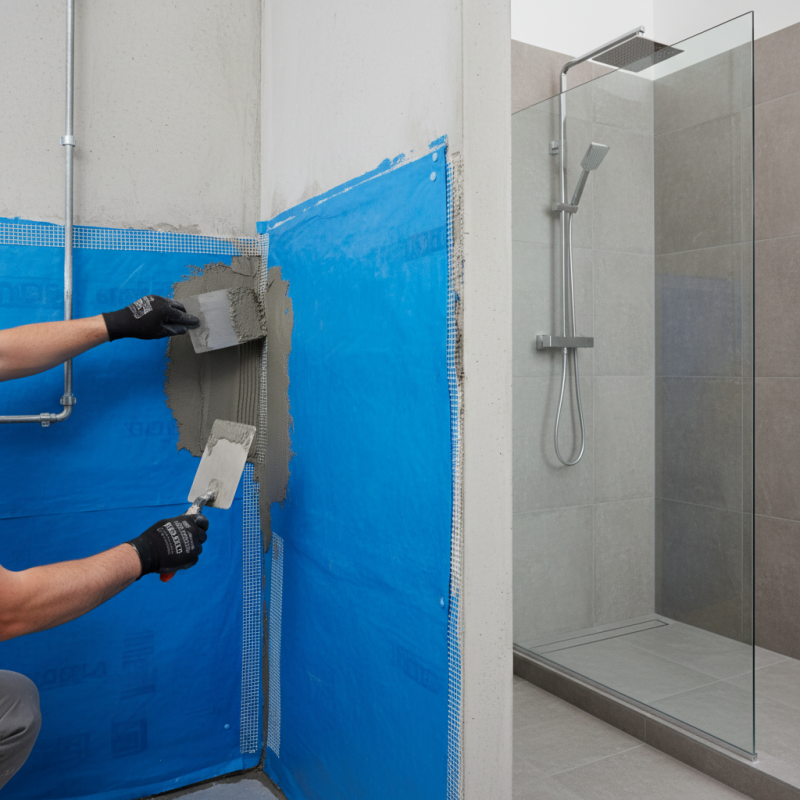
When applying a shower membrane, ensure your surface is clean and dry. This will enhance adhesion and longevity. Measure and cut the membrane accurately. Overlapping seams should not exceed 2 inches to provide optimal protection. Industry standards recommend that membranes be installed at least 6 inches up the wall.
Pay attention to corners and tight spaces; they often require extra sealing. Many ignore these details, leading to leaks. Adhesives must be compatible with the membrane material. A mismatched adhesive can lead to poor performance. Taking the time to research and prepare can save significant costs in repairs later.
Shower Membrane Importance in Bathroom Design
Common Mistakes to Avoid When Installing Shower Membranes
When installing shower membranes, it's easy to make mistakes. Many homeowners underestimate the importance of proper sealing. If the membrane isn’t water-tight, leaks can occur. These leaks may lead to mold and structure damage, creating costly repairs.
Ignoring manufacturer guidelines is another common pitfall. Each membrane has specific installation requirements. Skipping steps can jeopardize the entire project. Also, check for any tears or punctures before installing. Even tiny holes can lead to big problems later.
Another mistake is incorrect placement of the membrane. It should cover the shower area entirely, extending up the walls. Installing it too low might leave parts exposed to water. This careless oversight can result in long-term issues. Paying attention to these details can save a lot of headaches down the road.