



Scratch-Resistant describes a surface designed to resist visible marks from contact, friction, and everyday handling. It does not mean completely immune to damage. A phone screen may survive keys in a pocket, yet still show a line after contact with sand. That distinction matters.
Manufacturers assess resistance through controlled methods, including pencil-hardness and abrasion testing. These tests help compare coatings, plastics, glass, and metal finishes under repeatable conditions. However, laboratory results cannot reproduce every real-world situation. Pressure, dirt, temperature, and cleaning habits can change performance. A surface that looks flawless in a showroom may age differently inside a busy workshop or family kitchen.
The value of Scratch-Resistant design becomes clear through small daily details. A tablet remains easier to read when fine marks do not scatter light. A car interior keeps its texture longer when loose keys cannot quickly scar the trim. A coated tool may feel more reliable when its finish survives repeated handling. These benefits affect appearance, maintenance, and perceived product quality.
Still, resistance is only one part of durability. A harder coating may reduce scratches but become more difficult to repair. Some finishes can resist light contact while failing against sharp grit. Claims also deserve careful checking, especially when testing conditions are unclear. That is where practical experience and credible technical evidence matter. No coating lasts forever. Understanding its limits leads to better choices.
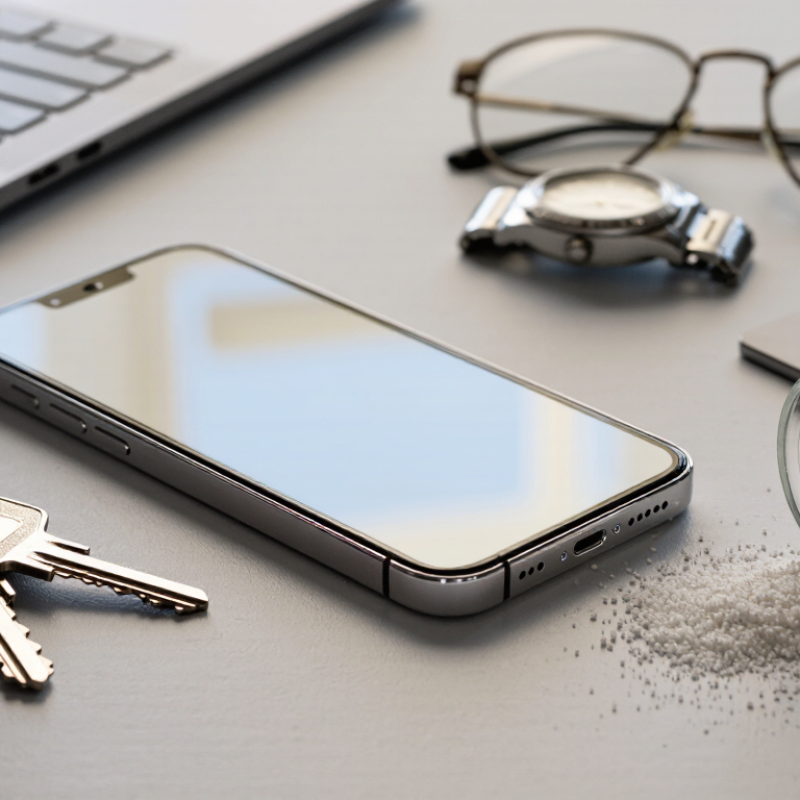
Scratch resistance describes how well a surface withstands visible marks from contact, pressure, or rubbing. It does not mean the surface is scratch proof. Even a strong coating can show damage when a sharp particle, metal edge, or repeated friction exceeds its limits. In practical testing, ASTM D3363-22 measures coating hardness with pencils graded from 6B to 9H. ISO 15184:2020 uses a similar pencil-hardness method. These tests provide useful comparisons, but they do not recreate every real-life impact.
Scratch proofing suggests complete protection, which is rarely realistic. Dust can contain quartz particles, and quartz is harder than many common finishes. A key industry report, ASTM D1044, evaluates abrasion resistance through controlled rubbing and haze measurement. Its results can reveal surface wear that a simple hardness test misses. This matters on screens, vehicle interiors, lenses, and coated tools. A surface may resist a light key touch yet lose clarity after thousands of cleaning cycles. I have seen this mismatch in product evaluations. Harder is not always better; brittle coatings can crack or chip.
Tips: Check the test method before trusting a rating. Look for ASTM D3363, ISO 15184, or ASTM D1044 data. Ask whether the result measures scratching, abrasion, haze, or impact. Clean grit away before wiping. One careless wipe can create more damage than daily use. Manufacturers should also state test pressure, pencil grade, cycle count, and substrate, because missing details weaken the claim.



Copyright © CUSTOM Building Products 2025
Products | Resources | Interactive Tools | Warranties | Privacy Policy | Terms of Use | Technical Training
