What is Kerdi Uncoupling Membrane and How Does It Work?
The kerdi uncoupling membrane is a transformative product in tile installation. Its primary function is to mitigate the stress that often leads to cracks in tiles and grout. This membrane allows for movement between the substrate and the tiles, ensuring durability and longevity.
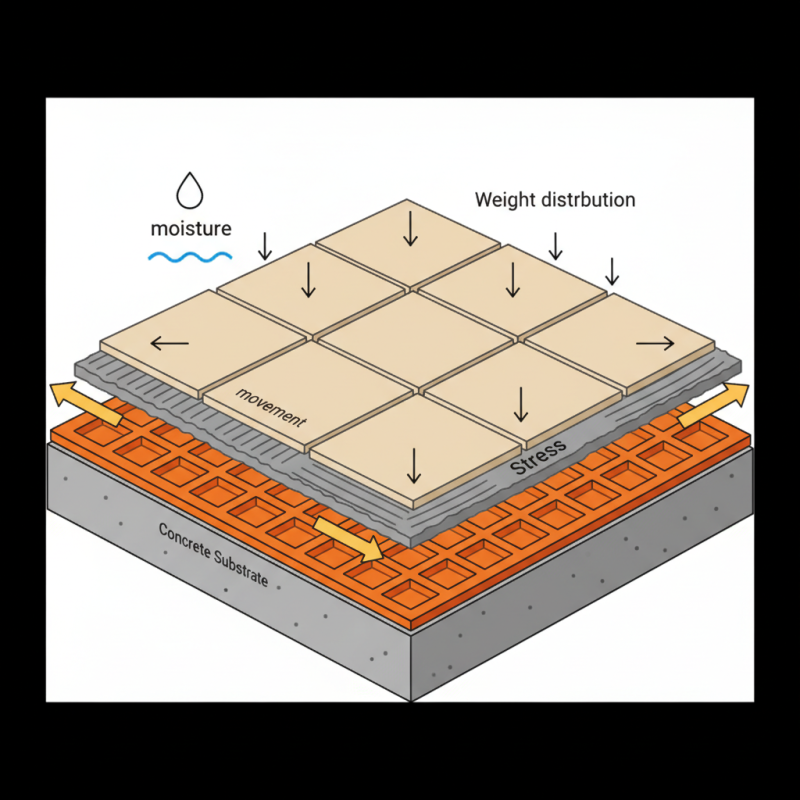
Understanding how the kerdi uncoupling membrane works is crucial for any DIY enthusiast or professional tiler. This membrane features a unique design that helps distribute weight evenly. It also provides a waterproof barrier, protecting the substrate from moisture damage.
Using the kerdi uncoupling membrane can significantly enhance the quality of tile work. However, it requires proper installation techniques to maximize its benefits. A few common mistakes can lead to underwhelming results, necessitating a careful approach to application.
What is Kerdi Uncoupling Membrane?
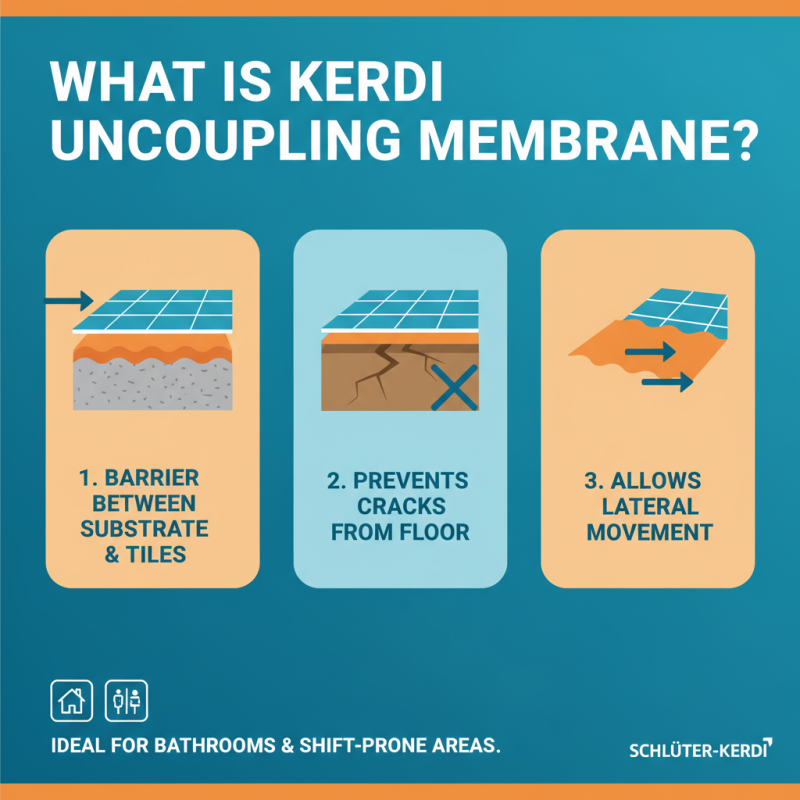
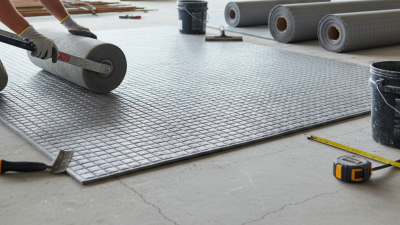
The Kerdi uncoupling membrane is a vital component in modern tile installation. Essentially, it acts as a barrier between the substrate and the tiles. This thin mat prevents cracks in the subfloor from transmitting to the tile surface. When pressure is applied, the membrane allows for lateral movement. This is important, especially in areas prone to shifts, like bathrooms.
Understanding how the Kerdi membrane works requires a close look at its composition. It’s made from a waterproof material that withstands moisture. This helps to keep the installed area dry and free from mold. However, achieving perfect adhesion can be tricky. Many users find that surface preparation is crucial. Any imperfections on the subfloor can lead to installation challenges.
While the Kerdi membrane is efficient, it does come with limitations. Some might overlook the importance of a proper installation technique. If not set correctly, users may experience tile imperfections later. It’s always a good idea to spend extra time in preparation. Reflecting on these details can save headaches down the road.
Structure and Composition of Kerdi Membrane
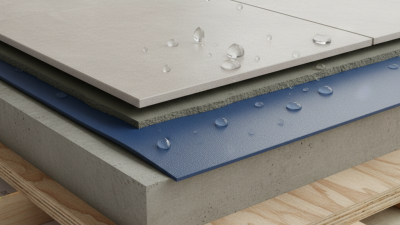
The Kerdi uncoupling membrane is an innovative building material designed to enhance the longevity and durability of tiled surfaces. Understanding its structure and composition is key to grasping its effectiveness. Typically, the membrane consists of a polyethylene layer, which is sandwiched between fibrous material. This unique combination allows for an effective barrier against moisture while preventing movement-induced cracks.
The polyethylene layer contributes significantly to the membrane's waterproofing capability. It also helps in minimizing stress transfer from the substrate to the tile surface. However, some users find the installation challenging. Proper placement is crucial to its performance, and any installation mishaps can lead to potential issues later. Notably, the fibrous side provides excellent adhesion for thin-set mortars, which is vital for securing tiles effectively. While the benefits are clear, attention to detail during the installation process cannot be overstated. Misalignment or inadequate bonding may compromise the integrity of the entire system.
As with any construction material, user experience varies. Some may encounter difficulties with creating a flat surface. Others might find the weight of the membrane cumbersome. Recognizing these potential pitfalls can guide contractors and DIY enthusiasts alike to optimize their application methods for better results.
How Kerdi Uncoupling Membrane Works
Kerdi uncoupling membrane is a revolutionary solution for managing moisture and movement in tiled areas. This membrane effectively separates the tile from the substrate, allowing for movement without cracking tiles or causing grout issues. The technology behind this membrane is rooted in advanced engineering, utilizing a polystyrene core with a fleece layer for optimal adhesion.
When installed correctly, the Kerdi membrane helps mitigate issues such as moisture-related damage. Research indicates that uncoupling membranes can reduce the occurrence of tile failure by up to 90%. By allowing for slight movements between the tile and floor, the membrane manages stress forces, protecting the integrity of the installation.
Tips: Always ensure the substrate is clean and dry before applying the membrane. Proper installation techniques maximize the membrane's effectiveness, securing longevity and performance. Consider periodic inspections to preemptively address any potential issues.
Additionally, keep in mind that not all tiles are compatible. Some larger formats may require specific underlayment. Ensure to check manufacturer guidelines for recommended use. Awareness of these factors can greatly affect the durability of your tile installation.
What is Kerdi Uncoupling Membrane and How Does It Work? - How Kerdi Uncoupling Membrane Works
| Feature |
Description |
Benefit |
| Material |
Made from high-quality polyethylene |
Durable and long-lasting |
| Function |
Separates the tile from the substrate |
Reduces stress and prevents cracking |
| Water Management |
Allows moisture to escape |
Prevents mold and mildew growth |
| Installation |
Easy to install with thin-set mortar |
Saves time and labor costs |
| Flexibility |
Accommodates movement in the structure |
Maintains the integrity of the tile installation |
Benefits of Using Kerdi Uncoupling Membrane
Kerdi uncoupling membrane is an innovative solution for floor and wall installations. It plays a vital role in preventing cracks in tile surfaces. By creating a separation between the structure and the tile, it accommodates movement. This means your beautiful tile floor stays intact.
The benefits of using this membrane are significant. It allows for proper drainage, reducing moisture buildup. This is crucial in wet areas like bathrooms or kitchens. Moreover, it provides an additional thermal barrier. As a result, the substrate beneath the tiles remains insulated, leading to a more comfortable environment.
Tips: Always ensure the subfloor is clean and dry before installation. A messy surface can lead to poor adhesion. Consider using a proper trowel for even application. Uneven layers might lead to future issues. Regularly check for cracks in the membrane after installation. Address any damage promptly to maintain the integrity of your flooring.
Installation Process for Kerdi Uncoupling Membrane
The installation of a Kerdi uncoupling membrane can be a game-changer for tile projects. This membrane creates a separation layer between the substrate and the tile. It minimizes stress transfers that can lead to cracking. According to industry reports, proper installation can reduce failure rates by up to 90%. This statistic underscores the importance of proficiency in the installation process.
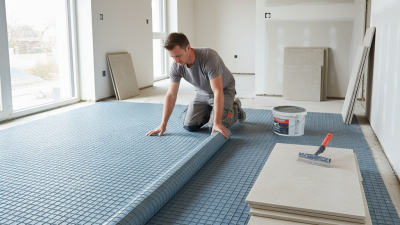
Begin by preparing the substrate. Ensure it is clean, dry, and structurally sound. Any imperfections can lead to issues later on. Measure and cut the membrane to size, allowing for overlaps at seams. Utilize a notched trowel to apply the thin-set mortar evenly on the substrate. Press the membrane into the mortar, ensuring no air pockets are present. A roller can help for better adhesion. Timing during this process matters. Mortar that sets too long may not bond properly.
Pay careful attention to seams and corners. These areas are often prone to leaks if not addressed correctly. Industry standards suggest using a compatible waterproofing sealant at joints. Regular re-evaluation of the installation can help identify potential flaws. This checkpoint can guide adjustments before the tile is laid. Installing a Kerdi uncoupling membrane requires diligence, but the payoff is significant in long-term durability.