



Buying an IPE BEAM across borders requires more than comparing prices per tonne. A reliable decision begins with the project load, span, connection design, and applicable steel standard. Buyers should confirm the exact IPE section, nominal dimensions, steel grade, length tolerance, straightness, and surface condition. A 12-meter beam may look correct in a photograph, yet a small dimensional error can complicate fabrication on site.
Engineering author Henry Petroski wrote, “Form follows failure.” This warning fits steel purchasing well. Every specification should reflect a possible failure, including bending, corrosion, delayed delivery, or incomplete documentation. Ask the supplier for a mill test certificate, heat number traceability, chemical composition, mechanical results, and independent inspection options. Compare EN 10025 requirements carefully with local standards. Do not assume that “equivalent grade” means identical performance.
Freight details also matter. Check bundle weight, lifting points, port access, export packaging, and moisture protection. A strong IPE BEAM can arrive with damaged markings or surface rust after a poorly planned voyage. Incoterms, insurance, customs documents, and delivery penalties deserve written confirmation. The cheapest quotation may become expensive after re-testing, storage, or replacement.
This guide presents ten practical buying tips for global buyers. It focuses on measurable evidence, supplier communication, and realistic risk control. No checklist is flawless. Still, a disciplined review can prevent expensive surprises before production begins.
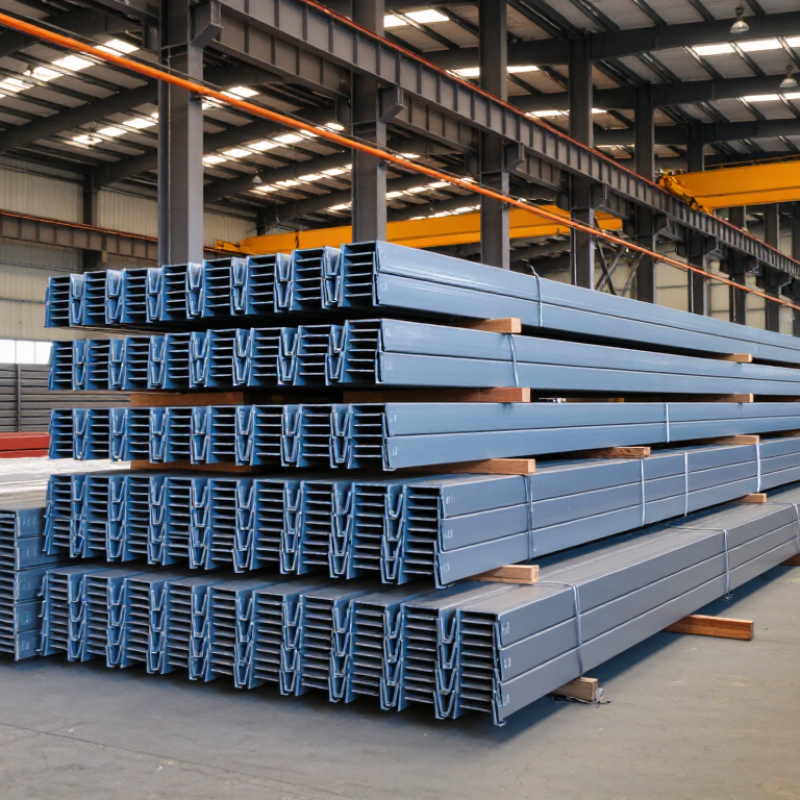
IPE beams are European parallel-flange I-sections defined by EN 10365. Their designation combines “IPE” with nominal depth, such as IPE 200 or IPE 300. The number refers roughly to section height in millimetres, not the complete beam size.
EN 10365 lists each profile’s height, flange width, web thickness, flange thickness, root radius, cross-sectional area, and mass per metre. An IPE 200, for example, is close to 200 mm deep, but its exact dimensions must come from the standard table. Do not rely on rounded catalogue figures. EN 10034 should also be checked for dimensional and shape tolerances, while EN 1993-1-1 supports structural verification.
The World Steel Association reported approximately 1.89 billion tonnes of crude steel production in 2023. This scale supports broad availability, but it does not guarantee identical stock across markets. Mill rolling ranges, cutting practices, and regional inventory can differ. Buyers should compare mass per metre, total length, heat certificates, and delivery tolerances. A small mass difference can affect freight calculations and connection details. I have seen purchasing teams overlook root radius, then discover fitting problems during fabrication. That mistake is avoidable.
Ask suppliers to identify whether dimensions are nominal or measured. It sounds obvious, but specifications are sometimes copied incorrectly. Include EN 10365, EN 10034, steel grade, surface condition, length tolerance, and inspection documents in the purchase inquiry.



Copyright © CUSTOM Building Products 2025
Products | Resources | Interactive Tools | Warranties | Privacy Policy | Terms of Use | Technical Training
