

How to Source Stained Glass Tile Sheets in 2026?

Sourcing Stained Glass Tile Sheets in 2026 requires more than comparing online prices. Buyers must examine color accuracy, sheet strength, backing quality, and supplier reliability. A beautiful photograph can hide uneven tesserae, cloudy surfaces, or weak mesh.

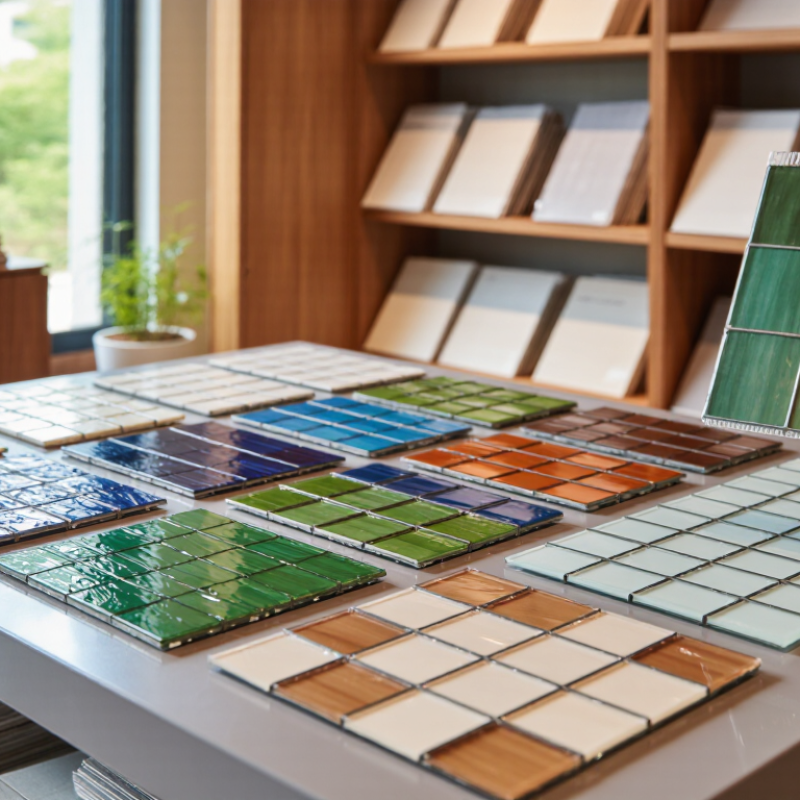
I learned this after ordering a sample that looked emerald green online. Under warm showroom lights, it appeared almost brown. That small mistake changed my buying process. I now request physical samples, current technical data, and photographs taken in natural light. I also check sheet dimensions, tile thickness, mounting method, packaging, and breakage policies before approving a larger order.

Louis Comfort Tiffany, a major figure in American stained glass, said, “Color is to the eye what music is to the ear.” His observation still matters when selecting Stained Glass Tile Sheets. Color shifts between daylight, LEDs, and wet installation surfaces. Experienced suppliers should explain these differences clearly, not promise perfect screen matching.

Look for manufacturers with documented production experience, responsive technical support, and consistent batch records. Ask whether the sheets are suitable for walls, backsplashes, wet rooms, or exterior applications. Installation requirements can vary. So can regional safety and building standards.

Do not chase the lowest quote.

A reliable sourcing plan compares total value, not just unit cost. Include freight, protective packaging, sample fees, replacement terms, and expected waste. I still find supplier descriptions incomplete sometimes. That is why written confirmation matters. The strongest purchase decision combines expert advice, tested samples, transparent specifications, and a willingness to reconsider attractive but poorly documented options.
How to Source Stained Glass Tile Sheets in 2026?

Understanding Stained Glass Tile Sheets and Their 2026 Uses

In 2026, stained glass tile sheets are used for more than decorative walls. They bring filtered color, texture, and soft reflection into homes, hotels, studios, and retail interiors. Unlike ordinary ceramic mosaic sheets, they may contain translucent glass pieces, uneven surfaces, or printed patterns. That difference matters. A warm light can make blue tiles appear almost green, while strong daylight may reveal tiny bubbles or color variation.

When sourcing these sheets, I check thickness, sheet size, backing material, and cutting instructions. I also request physical samples before approving a large order. Photos often hide surface texture. Ask for test data on water absorption, slip resistance, heat tolerance, and color stability. Kitchens and shower areas need different specifications. A supplier should explain installation limits clearly, not simply promise universal performance.

Current uses include backsplash panels, bathroom niches, reception counters, cabinet inserts, and illuminated feature walls. Some designers combine small sheets with neutral stone to control visual intensity. Others use them in curved furniture details, although cutting and alignment become difficult. I once underestimated the effect of grout color; a pale grout made the pattern look washed out. That mistake still influences my sourcing decisions. The most reliable suppliers provide batch information, accurate dimensions, care guidance, and replacement availability. Even then, handmade variation can remain. It is beautiful, but not always convenient.


Defining Tile Requirements, Sizes, Colors, and Project Specifications

How to Source Stained Glass Tile Sheets in 2026?

A reliable purchase begins with a precise project brief. Record the installation area, tile quantity, sheet dimensions, thickness, and intended location. Separate wall, backsplash, shower, and feature-panel requirements. These areas may need different surface textures and maintenance expectations. Measure twice. Small errors create expensive cutting waste.

Define the visual target before requesting quotations. Choose transparent, translucent, or opaque glass based on available lighting. List the main color, accent colors, finish, and acceptable shade variation. Ask for physical samples, not only digital images. Screen colors can appear brighter than the actual glass. Confirm whether each sheet has mesh backing, paper facing, or individual loose pieces. Check the backing adhesive carefully. It can affect alignment and removal.

Your specification should include sheet size, joint width, edge treatment, thickness tolerance, and packaging requirements. Request a batch sample when color consistency matters. Inspect corners, chipped pieces, uneven joints, and backing strength. I once underestimated cutting loss on a curved wall. The final order was short, despite accurate area calculations. Add a practical waste allowance, but do not guess blindly. Discuss cutting patterns with an experienced installer. Confirm cleaning guidance and compatibility with the chosen setting materials. Written details protect both the project and the buyer.

How to Source Stained Glass Tile Sheets in 2026?

Defining tile requirements, sizes, colors, and project specifications

How to use this benchmark: Smaller stained glass tiles provide more pieces and finer detail per 12 × 12 inch sheet, while larger formats reduce installation time and create a stronger visual pattern. Confirm the nominal tile size, sheet dimensions, mesh or paper backing, joint width, surface finish, color consistency, and project quantity before requesting samples or quotations.

Data basis: theoretical tile counts for a 12 × 12 inch sheet before grout gaps, calculated from nominal tile dimensions. Actual counts may vary because of spacing, trimming, irregular shapes, and sheet layout.

Finding Reliable Manufacturers, Distributors, and Online Suppliers

How to Source Stained Glass Tile Sheets in 2026?

Reliable sourcing begins with identifying the right supplier type. Manufacturers usually offer better customization, consistent production, and lower prices at larger volumes. Distributors can provide stocked sheets, smaller minimum orders, and faster delivery. Online suppliers are convenient, but their listings may hide important details. Ask for a physical sample, factory address, technical data, and recent production photos before ordering.

Examine each sample under daylight and warm indoor lighting. Check color depth, sheet thickness, mesh adhesion, flatness, and edge cutting. Request the actual dimensions, weight per sheet, packaging method, and available batch records. A dependable manufacturer should explain its inspection process clearly. Test reports and compliance documents should match your destination market. Do not rely only on polished photographs.

Ask about lead times, replacement procedures, sample fees, and shipping damage claims. Distributors should confirm current inventory instead of promising immediate shipment without evidence. Online sellers should provide responsive contact details and a practical return policy. Secure packaging matters; cracked corners can turn a good price into a costly mistake. Samples can differ from full production batches. That risk is easy to underestimate. I would request a second sample from the intended batch, even when the first one looks perfect. Compare quotations by total delivered cost, not unit price alone.

Comparing Prices, Certifications, Minimum Orders, and Shipping Terms

How to Source Stained Glass Tile Sheets in 2026?

Sourcing stained glass tile sheets requires more than comparing the lowest unit price. In my recent purchasing review, one supplier quoted $18 per sheet, while another quoted $14. The cheaper offer excluded cutting, protective packaging, and export documentation. After adding those costs, the difference nearly disappeared. Ask for a complete landed-cost estimate, including freight, insurance, duties, and handling fees.

Certification details deserve close attention. Request current material declarations, factory quality records, and test reports for strength, surface safety, and restricted substances. Confirm that the documents match the exact tile model, not a similar product. A certificate without a testing date is a warning sign. Still, paperwork is not everything. I prefer ordering samples and checking color consistency, edge finishing, backing adhesion, and breakage after careful transit testing.

Minimum order quantities can affect small renovation projects. Some factories accept mixed colors within one carton, while others require hundreds of identical sheets. Negotiate a trial order in writing. Check whether replacement pieces count toward the minimum. Shipping terms also need precise language. Clarify carton dimensions, pallet requirements, delivery responsibility, estimated transit time, and claims procedures for damaged goods. My first comparison missed the difference between port delivery and warehouse delivery. That mistake changed the budget. Allow extra time during holiday periods, and inspect every carton before signing receipt.

How to Source Stained Glass Tile Sheets in 2026? – Comparing Prices, Certifications, Minimum Orders, and Shipping Terms

Indicative 2026 sourcing comparison for commercial and residential projects

Sourcing Route Typical Product Specification Indicative Price
per m² (USD)
Common Certifications
or Documents
Typical MOQ Production Lead Time Shipping Terms Best Fit
Domestic distributor Pre-made glass mosaic sheets, usually 300 × 300 mm; mixed colors and standard finishes $90–$220 Product data sheet, technical specifications, safety data sheet when applicable, country-of-origin statement 1–10 m² or 1 carton 1–10 business days if in stock Domestic parcel or pallet delivery; freight normally quoted separately Small renovations, samples, and urgent projects
Direct overseas manufacturer Standard stained glass mosaic sheets with mesh backing; common sheet sizes from 300 × 300 to 327 × 327 mm $35–$110 Factory quality inspection report, material declaration, packing list, commercial invoice, and relevant test reports upon request 50–300 m² or 1–3 pallets 25–45 days, excluding transit EXW, FOB, or CIF are commonly offered; buyer usually manages import clearance under EXW or FOB Cost-sensitive projects with repeat orders
Custom color or pattern production Custom color blend, geometric pattern, logo-free private design, or coordinated batch production $70–$180 Approved color sample, batch consistency report, dimensional tolerance record, and requested compliance documents 100–500 m², depending on design complexity 35–60 days, including sample approval FOB or CIF; deposit and balance payment terms are commonly negotiated by contract Hotels, restaurants, retail interiors, and large developments
Premium hand-finished production Hand-cut or hand-assembled glass pieces, irregular surfaces, metallic accents, and artistic color variation $180–$450+ Material composition statement, care instructions, installation guidance, and project-specific sample approval 10–50 m² 45–90 days Crated air freight or insured sea freight; damage-inspection procedure should be included Feature walls, luxury interiors, and restoration work
Online sample and small-batch order Small quantities of standard mosaic sheets or sample boards for color and adhesion testing $120–$300 Basic product description, care instructions, and invoice; formal test reports may not be included 1–5 sheets or 0.1–1 m² 2–14 business days Parcel shipping with limited insurance; confirm breakage and return policy before purchase Sampling, prototyping, and residential repair work

Sourcing Notes

  • Prices are indicative 2026 market ranges in US dollars per square meter and can vary by glass thickness, finish, pattern, packaging, order volume, and destination.
  • Certification availability depends on the destination market and intended use. Request current test reports rather than relying only on certification claims in a product listing.
  • Confirm whether prices include mesh backing, corner protection, export packaging, inland delivery, customs duties, taxes, insurance, and unloading charges.
  • For large orders, approve a physical sample and define acceptable variation in color, thickness, chip size, sheet dimensions, and joint spacing before production.

Ordering Samples and Verifying Quality Before Full-Scale Purchase

How to Source Stained Glass Tile Sheets in 2026?

Sample approval should come before price negotiation.

Fortune Business Insights valued the global ceramic tile market at USD 227.63 billion in 2023. That broader market shows strong demand, but stained glass sheets still require closer inspection. Request three to five samples from the exact production lot. Check color under daylight, warm LEDs, and moisture. A blue sheet may look gray under store lighting. That mistake is expensive.

Measure each sheet with a steel ruler. Compare length, width, thickness, mesh alignment, and joint spacing. Look for chipped corners, trapped bubbles, uneven glass faces, and weak adhesive coverage. Ask for water absorption, dimensional tolerance, and test documentation aligned with ANSI A137.2 or relevant regional standards. The Tile Council of North America Handbook can help confirm suitable installation methods. Do not rely on attractive photographs.

Request a small mock-up with the planned adhesive and grout. Leave it for at least 72 hours, then inspect lifting, color bleeding, and edge cracking. Industry reports often describe market growth, not production consistency. That gap matters. I have seen a perfect sample fail when the second batch used a different backing mesh. Require written confirmation of batch control, replacement terms, packaging protection, and lead time. Some suppliers may resist these questions. Keep asking anyway.

Resources

Copyright © CUSTOM Building Products 2025
Products | Resources | Interactive Tools | Warranties | Privacy Policy | Terms of Use | Technical Training