

How to Choose the Best Wall Panels for Your Space?

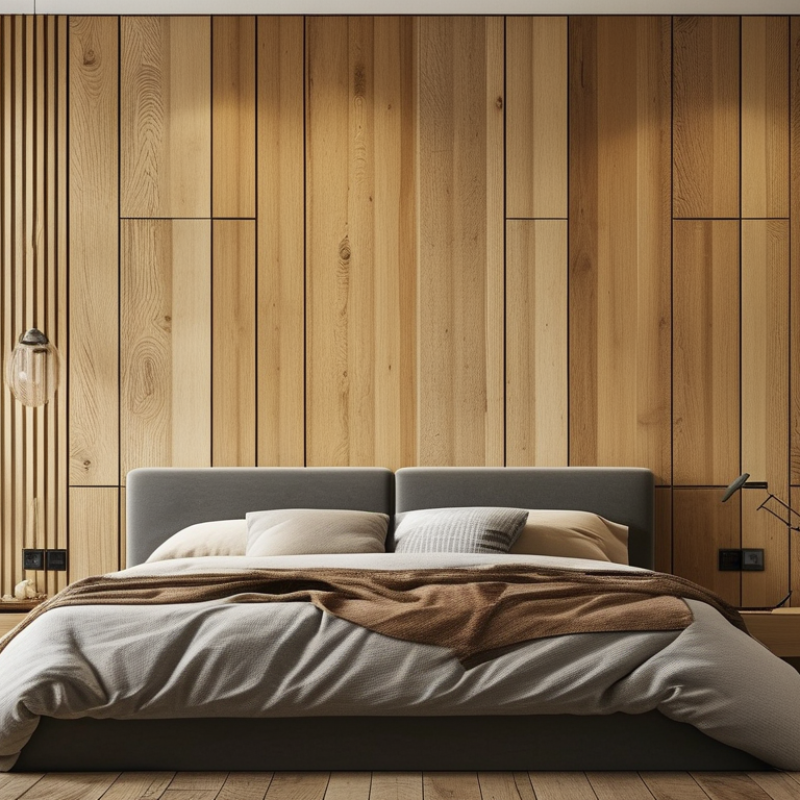
Choosing the best Wall Panels for your space requires more than matching colors. The right choice depends on moisture, lighting, room use, maintenance, and installation conditions. A warm oak panel may suit a quiet bedroom, while a moisture-resistant PVC or composite panel may perform better in a bathroom. Materials can look similar online, yet feel completely different under real lighting.

Begin with the room’s practical demands. Measure each wall carefully, including windows, doors, sockets, and uneven corners. Check the manufacturer’s specifications for water resistance, fire performance, acoustic ratings, cleaning methods, and indoor air quality information. Independent certifications and clear warranty terms can offer stronger evidence than attractive product images. For commercial areas, confirm that the panels meet local building requirements and professional installation standards.

Details matter.

A glossy finish can reflect sunlight sharply. Textured surfaces can collect dust in narrow grooves. Heavy panels may need stronger wall support, not just adhesive. Experienced installers also inspect the substrate before recommending a system. Skipping that step can cause gaps, movement, or visible seams later. I have found that “best” is rarely absolute; a beautiful panel may be impractical, and a modest option may age better. That is worth reconsidering.

Before buying, request samples and view them beside your flooring, furniture, and existing trim. Touch the surface, examine the edges, and test how easily marks disappear. Compare total cost, including trims, tools, labor, waste, and future repairs. A careful decision creates a wall that looks intentional and remains dependable long after installation.
How to Choose the Best Wall Panels for Your Space?

Define Your Space’s Functional and Visual Requirements

Choosing wall panels begins with understanding how your space works each day. A busy hallway needs surfaces that resist scratches, fingerprints, and repeated cleaning. A bedroom may value warmth, softness, and sound control instead. Measure traffic, moisture, lighting, and furniture placement before comparing finishes. A beautiful panel can feel wrong when it reflects glare beside a desk.

Functional requirements should guide the technical choices. In bathrooms, select moisture-resistant materials with sealed edges and suitable installation systems. In family rooms, consider impact resistance and simple maintenance. Acoustic panels can reduce echo, but their performance depends on coverage, thickness, and the surrounding surfaces. Always review product specifications and installation instructions, rather than trusting appearance alone. Small details matter.

Visual requirements deserve equal attention. Pale textured panels can brighten a narrow room, while darker surfaces add depth but may expose dust. Vertical lines can make a low ceiling appear higher. Large patterns may overwhelm a compact wall. I often place sample boards in the actual room for two days. Morning and evening light can change the color noticeably. This step feels slow, yet digital images are often misleading. I once chose a texture that looked refined online but appeared busy beside existing woodwork. That mistake reminded me to test scale, touch, and maintenance together. You may need to compromise between the ideal look and the finish your household can realistically care for.


Compare Wall Panel Materials, Textures, and Finishes

Choosing wall panels starts with the room’s function, not a sample’s appearance.

In site reviews, I compare moisture, impact, cleaning, and sound before color. Solid wood adds warmth and visible grain, but it can expand with humidity. MDF and PVC often offer consistent dimensions and easier maintenance. Mineral-fiber panels can reduce reverberation, although they may feel less residential.

Grand View Research estimated the global decorative wall panel market at $11.07 billion in 2022. Its report projects a 4.7% compound annual growth rate through 2030. That signals demand, not automatic quality.

Texture changes light. Deep fluting creates shadow lines; embossed stone can hide small marks; smooth laminate reflects more light and exposes fingerprints. Matte finishes usually look calmer, while high-gloss coatings need better substrate preparation.

For busy corridors, I prefer fine texture and sealed edges. Kitchens and bathrooms need moisture-rated cores, closed joints, and tested fire performance. Do not trust appearance alone.

The U.S. EPA reports that indoor pollutant levels can be two to five times higher than outdoor levels. Low-emitting adhesives and finishes therefore deserve attention. Still, low VOC is not a complete health assessment.

Acoustic performance needs numbers.

Check NRC or equivalent test data, not marketing language. A 2023 World Green Building Council report connects healthier interiors with material selection, ventilation, and acoustics. Request installation samples under real lighting.

One mistake is choosing a dramatic texture, then finding dust in every groove. Another is assuming recycled content guarantees durability. It does not.

Compare the technical sheet, warranty, cleaning method, and replacement access before ordering.

Match Panel Features to Room Conditions and Usage

How to Choose the Best Wall Panels for Your Space?

Match Panel Features to Room Conditions and Usage

A wall panel should respond to the room, not only match its colour. In a bathroom, choose a moisture-resistant surface with sealed edges and minimal joints. Water can enter tiny gaps. Check the product’s technical information before installation. “Water-resistant” does not always mean waterproof.

High-traffic hallways need stronger panels. Look for impact resistance, washable finishes, and surfaces that hide small marks. In a child’s room, smooth panels can simplify cleaning. However, highly textured designs may collect dust. That detail is easy to overlook.

Sound control matters in offices, bedrooms, and media rooms. Panels with acoustic backing can reduce echoes, but they cannot block every outside noise. Measure the room’s existing sound problems first. A sample may look perfect in a showroom. Home lighting can reveal a different colour and texture. Test it near a window and under evening lights.

Fire performance, installation method, and maintenance requirements also deserve attention. A heavy panel may require stronger wall support. An inexpensive option can become costly after extra preparation. I would avoid choosing from appearance alone. That approach feels efficient, but it often ignores how people actually use the space.

How to Choose the Best Wall Panels for Your Space?

Match panel features to room conditions and usage.

The scores represent practical selection priorities on a 1–5 scale: 5 means the feature is highly important for that room. Moisture resistance is prioritized in bathrooms and kitchens, impact resistance in high-traffic areas, acoustic performance in offices, and fire performance in shared or commercial spaces.

Evaluate Installation Methods, Maintenance, and Durability

Choosing wall panels starts with the installation method, not the surface pattern. Before selecting materials, inspect wall moisture, level, and load-bearing condition. I have seen attractive panels fail because installers fixed them to damp plaster. That mistake is expensive. Direct adhesive installation can be clean and quick on smooth, dry walls. For uneven masonry, a batten or clip system creates a flatter finish and easier replacement. Mechanical fixing also deserves attention in busy hallways.

Maintenance should match the room’s daily demands. In kitchens and bathrooms, sealed surfaces and limited joints reduce moisture traps. Ask how the panel handles steam, stains, cleaning agents, and repeated wiping. Test a small hidden area first. Some finishes tolerate gentle soap, while abrasive pads can dull or scratch them. Keep spare pieces if the cut pattern is distinctive. That practical step matters when one panel is damaged years later. Still, I once underestimated grout discoloration around a sink. It looked minor.

Durability is more than impact resistance. Check the core, surface coating, edge protection, and moisture rating. Reliable technical data should state intended indoor use, temperature limits, and cleaning guidance. Published test results can provide useful evidence, but installation quality remains critical. Even a durable panel can warp when gaps, fasteners, or expansion allowances are ignored. In commercial areas, choose thicker construction where carts, bags, or furniture may strike the wall. Review the installer’s method, record the panel details, and photograph concealed fixings. Those records make future repairs less uncertain.

Set a Budget and Select the Most Suitable Wall Panels

How to Choose the Best Wall Panels for Your Space?

Set a Budget and Select the Most Suitable Wall Panels

Set the budget before choosing a finish. The 2024 Houzz & Home Study reported a median major-remodel spend of about $24,000 in the United States. Wall panels may use only part of that amount, but installation, trims, adhesives, delivery, and surface repairs can quickly increase costs. Request itemized quotes from experienced installers. Compare the total installed price, not only the panel price.

Material suitability matters more than appearance. For bathrooms, select moisture-resistant panels and confirm their installation requirements. For living rooms, wood veneer, fiber cement, and recycled composite panels can offer different textures and maintenance levels. Check fire ratings, formaldehyde emissions, and cleaning instructions. Relevant ASTM standards and indoor-air-quality guidance can support safer decisions. The U.S. Environmental Protection Agency notes that moisture control is essential for reducing indoor mold risks. A beautiful panel can still fail in a damp corner.

Tips: Measure each wall twice. Add five to ten percent for cutting waste. Keep samples beside your flooring and daylight. Ask whether repairs are possible. Cheap is not always economical. I once underestimated trim costs; the estimate looked reasonable until installation began. Reconsider bold patterns if the room is small. They may dominate the space, rather than improve it. Examine warranties carefully, because coverage often excludes poor preparation or incorrect installation.

How to Choose the Best Wall Panels for Your Space? - Set a Budget and Select the Most Suitable Wall Panels

Wall Panel Type Typical Material Typical Installed Cost
per sq. ft. (USD)
Moisture Suitability Expected Service Life Maintenance Level Best Applications Budget Position
Paintable MDF Panels Medium-density fiberboard $5–$15 Low; avoid persistent dampness 10–20 years indoors Low to moderate Bedrooms, dining rooms, offices, feature walls Budget-friendly
PVC Panels Polyvinyl chloride $4–$12 High; water-resistant surface 10–25 years with proper installation Low; wipe clean Utility rooms, kitchens, bathrooms, commercial interiors Budget-friendly
WPC Panels Wood-plastic composite $8–$20 Moderate to high; depends on core and sealing 15–25 years indoors Low Living rooms, reception areas, covered walls Mid-range
Natural Wood Panels Solid wood or wood veneer $12–$35+ Low to moderate; requires sealing 20–50+ years when maintained Moderate; periodic refinishing may be needed Living rooms, libraries, hospitality interiors Premium
Cork Panels Compressed natural cork $8–$18 Moderate; seal in humid areas 15–25 years indoors Low to moderate Home offices, studios, bedrooms, acoustic spaces Mid-range
Acoustic Fabric Panels Fabric over mineral wool or polyester fiber $10–$30 Low; keep dry 10–20 years depending on fabric Moderate; vacuum or spot-clean Conference rooms, theaters, music rooms, offices Mid-range to premium
Stone Veneer Panels Natural stone or manufactured stone $15–$40+ High after proper sealing 30–75+ years Low; inspect and reseal as required Fireplace walls, entryways, commercial feature walls Premium
Ceramic or Porcelain Panels Fired clay or dense porcelain $10–$30+ Very high; suitable for wet areas 30–50+ years Low; clean grout and surface regularly Bathrooms, shower walls, kitchens, commercial washrooms Mid-range to premium

Planning guide: Installed costs are typical broad-market estimates in U.S. dollars and may vary by location, panel thickness, surface preparation, installation complexity, labor rates, and finish quality. Confirm current local prices before setting the final budget.

Resources

Copyright © CUSTOM Building Products 2025
Products | Resources | Interactive Tools | Warranties | Privacy Policy | Terms of Use | Technical Training