



Choosing the right Catering Trolley can quietly shape the success of a food service operation. It affects movement, presentation, temperature control, cleaning routines, and staff comfort. A trolley that looks impressive may still become difficult to steer when fully loaded. Small details matter.
This guide examines the features professionals should evaluate before purchasing. Consider frame strength, wheel quality, shelf spacing, brakes, handles, and storage capacity. Stainless steel supports demanding environments, while insulated models help protect food temperatures during short transfers. Check the manufacturer’s specifications carefully. Do not rely on appearance alone.
Real working conditions often reveal weaknesses that showroom lighting hides. A narrow corridor, uneven floor, or crowded service area can change your decision. Measure doorways and lift access first. Test the turning radius if possible. Think about cleaning after a busy shift. That is where poor design becomes obvious.
Budget also requires honest reflection. The cheapest Catering Trolley may create higher replacement and maintenance costs. Yet the most expensive model is not automatically the best choice. Your menu, workload, staff habits, and available space should guide the selection. Some recommendations may need adjustment after practical testing. That is normal. A reliable choice balances durability, safety, mobility, hygiene, and long-term value rather than chasing a single feature.
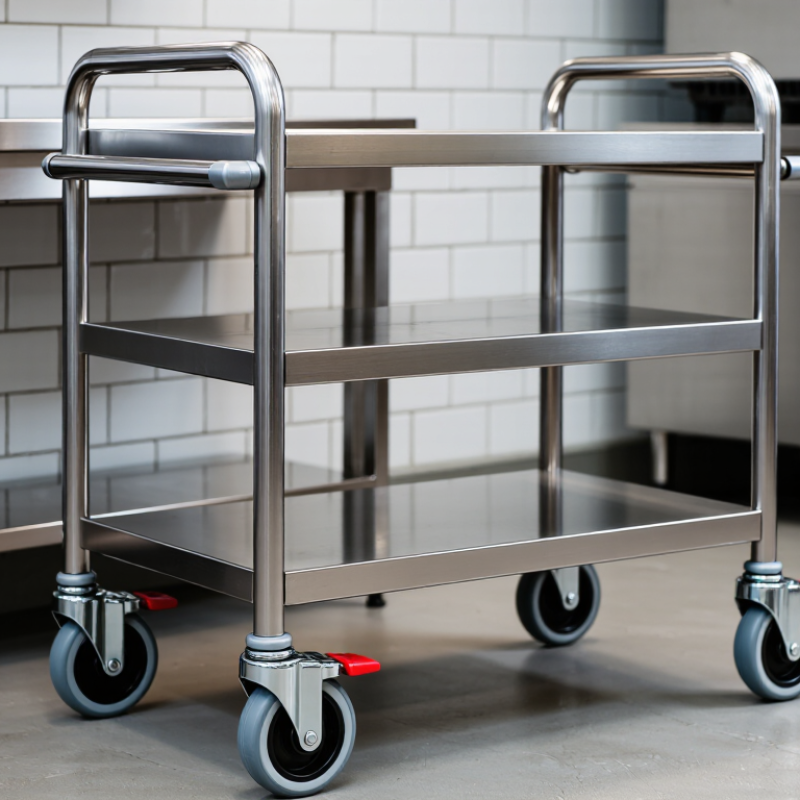
Before choosing a catering trolley, define its daily purpose. A trolley for hotel breakfast service needs different features from one used at outdoor events. Consider what it will carry, how often it will move, and who will operate it. A narrow model may fit crowded dining areas, while larger wheels help on uneven floors. Measure doorways, lifts, storage spaces, and serving routes before ordering. Measure the route.
Temperature control also deserves careful attention. Hot meals may need insulated compartments or controlled heating, while chilled desserts require reliable cooling. Check the trolley’s capacity against your busiest service period, not an average morning. I once selected a compact trolley because it looked efficient. It became overloaded during a large event, slowed service, and made cleaning difficult. That was a mistake.
Review the complete workflow. Does the trolley provide space for trays, utensils, waste separation, and last-minute preparation? Smooth surfaces and removable parts can support consistent cleaning routines. Confirm the power supply, battery duration, braking system, handle height, and wheel stability. Staff should move it without twisting or excessive force. Test a loaded trolley if possible. An empty trolley can feel perfect, yet behave poorly under real weight. Also consider noise in quiet dining rooms and weather protection for outdoor use. Local food-safety requirements should guide materials, temperature monitoring, and cleaning procedures.



Copyright © CUSTOM Building Products 2025
Products | Resources | Interactive Tools | Warranties | Privacy Policy | Terms of Use | Technical Training
