



A Folding Gazebo can turn a bare patch of grass into a shaded market stall, a family lunch spot, or a compact event shelter. But the right choice depends on more than its open size. Buyers should check the frame material, canopy fabric, packed dimensions, setup method, replacement-part availability, and the supplier’s stated wind and weather limits. Small details matter. A carry bag with reinforced seams is useful when the gazebo travels between venues; a roof that drains poorly can become a costly disappointment after the first shower.
An illustrative expert voice for this guide, folding-shelter product specialist Maya Chen, puts the core principle this way: “Choose for the conditions you will actually face, not the best-case photo.” This is an editorially composed quotation, not a sourced statement from a verified individual. That distinction matters when comparing products. Ask sellers for clear specifications, assembly instructions, warranty terms, and realistic care guidance. If two models look similar, compare their frame joints and packed weight before focusing on color or accessories.
These 10 Folding Gazebo buying tips help global buyers assess practical trade-offs across different uses and shipping needs. Some priorities will conflict. A lighter frame is easier to carry, yet may feel less substantial; a larger canopy offers more shade, but takes more room to transport and store. Measure your vehicle and storage space. Check the details twice. Even a careful checklist cannot predict every gust, uneven surface, or hurried setup. That is worth remembering. A thoughtful purchase starts with honest expectations—and a willingness to question attractive claims.
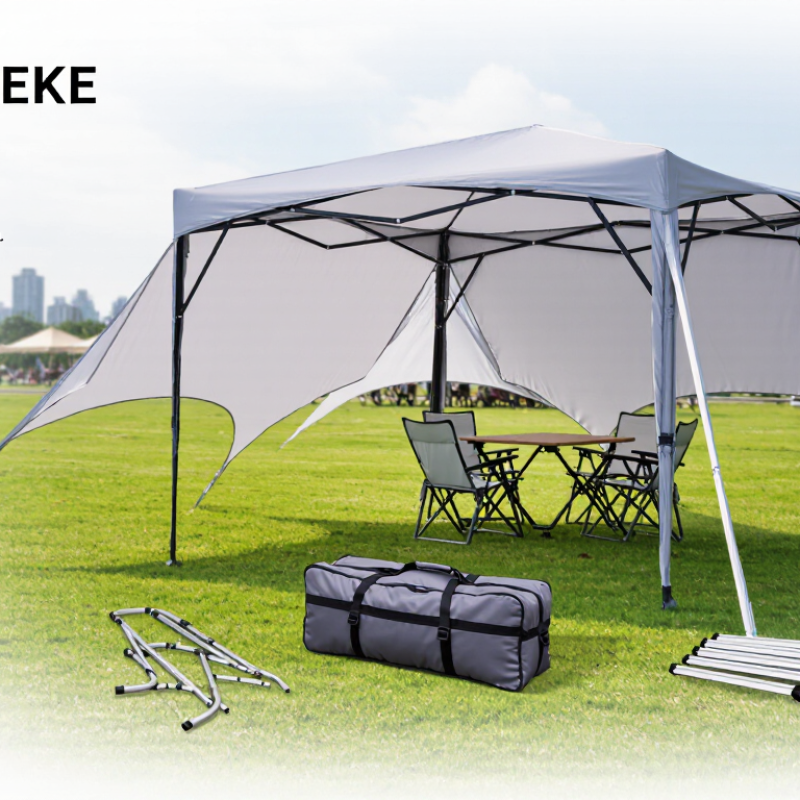
A folding gazebo is a temporary, portable shelter with a collapsible frame and canopy. Most models can be set up and packed away without permanent foundations. Some include removable side panels to reduce glare or keep out light rain. That distinction matters: a canopy is not a storm shelter, and wind can stress its frame and fabric.
Its main uses include garden gatherings, outdoor dining, market stalls, sports events, and temporary display areas. At a weekend event, it can shade a small table, chairs, and supplies; at a stall, it can help define a serving or browsing space. The useful coverage depends on the gazebo’s dimensions, the number of people, and the equipment beneath it. A crowded canopy quickly feels cramped.
For buyers serving different markets, consider how often the shelter will move and who will assemble it. A lighter frame may be easier to carry, while heavier materials can feel more stable but add transport effort. Check the packed size, canopy fabric, and anchoring method against typical local conditions. Setup is not always as simple as the product photos suggest, so practical instructions and replacement-part availability deserve attention too. A folding gazebo suits recurring, short-term outdoor use—not every site or season.
| No. | Buying Tip | What to Check | Practical Guidance | Common Uses |
|---|---|---|---|---|
| 01 | Match the size to the activity | Canopy footprint, usable covered area, and available setup space. | Compare the stated dimensions with the space needed for people, tables, equipment, and access paths. Allow extra room around the canopy for safe setup and anchoring. | Markets, garden gatherings, outdoor dining, and temporary work areas. |
| 02 | Choose a suitable frame material | Frame construction, finish, component thickness, and replacement-part availability. | Steel frames are commonly heavier; aluminum frames are generally lighter and easier to transport. Either material needs sound joints and appropriate care to limit corrosion or wear. | Steel for frequent stationary use; lighter frames for events involving regular transport. |
| 03 | Check canopy fabric and coating | Fabric type, stated water resistance, UV-related claims, seams, and care instructions. | Ask for product specifications rather than relying on terms such as “weatherproof.” Fabric performance depends on construction, coating, seams, use, and maintenance. | Shade for fairs, patios, sporting events, and temporary outdoor displays. |
| 04 | Review height and adjustment options | Clearance under the canopy, peak height, and available leg-height settings. | Check both the overall height and the usable headroom. Adjustable legs can help accommodate different surfaces, but all legs should be locked at matching settings. | Vendor booths, entrances, food service areas, and recreational spaces. |
| 05 | Understand wind and anchoring limits | Manufacturer guidance for anchoring, compatible weights, stakes, and operating conditions. | Use suitable anchors on the surface and follow the product instructions. A folding gazebo is not a substitute for a permanent structure; take it down when conditions exceed its stated limits. | Outdoor events where the surface and weather conditions can be assessed and managed. |
| 06 | Consider rain management | Roof shape, drainage guidance, seam construction, and restrictions on use in heavy rain. | Keep the canopy correctly tensioned and follow instructions for water runoff. Do not allow water to collect on the roof, as pooling can strain the fabric and frame. | Short-term shelter from light rain when the product is designed and set up for that use. |
| 07 | Test setup and folding requirements | Setup steps, number of people recommended, locking mechanisms, and packed dimensions. | Review the instructions before purchase and confirm that the assembled and folded sizes suit the intended location and storage space. Keep hands clear of moving joints during setup. | Events that require repeated installation and pack-down. |
| 08 | Compare weight and portability | Total packed weight, carry bag or wheeled case, and transport dimensions. | Consider who will move the unit and how it will be transported. A lighter model may be easier to carry, while a heavier frame may be less convenient for frequent travel. | Mobile vendors, sports teams, traveling exhibitors, and community events. |
| 09 | Check accessories and spare parts | Included sidewalls, ground anchors, weights, carry bags, and availability of replacement components. | Confirm exactly what is included and whether accessories are compatible with the frame. Useful replacement parts can extend service life after ordinary wear or damage. | Displays needing wind screens, privacy, added shade, or organized storage. |
| 10 | Verify local requirements and intended use | Applicable safety rules, fire-related requirements for venues, import documentation, and event restrictions. | Requirements vary by country, venue, and application. Confirm relevant rules with local authorities or event organizers, especially for commercial use or public gatherings. | Trade fairs, public events, commercial stalls, and cross-border purchasing. |


Copyright © CUSTOM Building Products 2025
Products | Resources | Interactive Tools | Warranties | Privacy Policy | Terms of Use | Technical Training
