


Finding the right Dinosaur Puppet supplier takes more than comparing catalog photos and unit prices. A soft-looking puppet may feel stiff in a child’s hands, while bright colors can fade after repeated cleaning. Inspect stitching around the mouth, eyes, and finger opening, where frequent movement puts stress on the fabric. Ask what materials are used, how puppets are finished, and whether samples match bulk orders. Small details matter. A loose seam or awkward fit can turn a fun classroom prop into a frustrating one. Product claims deserve a closer look, too; request clear specifications rather than relying on broad phrases such as “premium quality.”
A reliable supplier should explain production timelines, minimum order quantities, packaging, customization options, and how defects are handled. Request a physical sample when possible, then test its movement, weight, seams, and comfort during a short demonstration. Ask for close-up photos and written material details if a sample is not available. Check whether the supplier has experience serving schools, theaters, museums, or toy retailers, and look for consistent communication across quotes and product documents. This guide explores practical ways to compare suppliers without treating a low price or polished website as proof of quality. No supplier is perfect. Even careful checks can miss a flaw, so record questions and confirm key details before ordering. That extra step may feel slow, but it can prevent avoidable surprises.
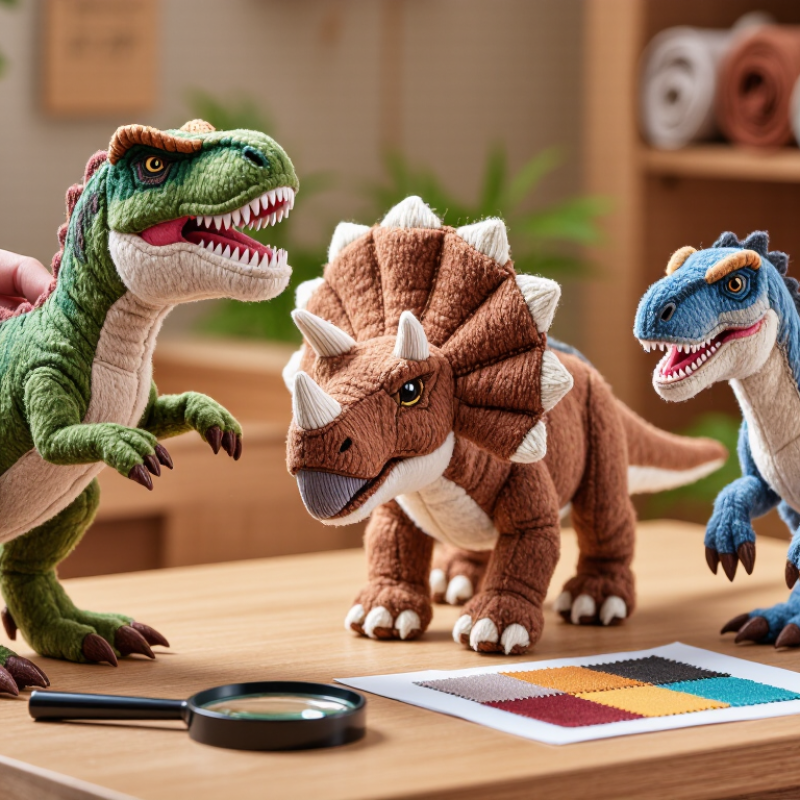
Before contacting a supplier, write a one-page brief describing who will use the dinosaur puppet and where. A classroom puppet needs a different build from a stage prop used under bright lights. Specify the dinosaur species, overall length, hand opening, weight, mouth movement, and whether one or two hands operate it. Include a simple reference sketch. A ruler beside the sketch helps prevent scale misunderstandings.
Set material and performance expectations in plain terms. For children’s use, request fabric and component details, care instructions, and relevant test documentation; ASTM F963-23 is one recognized toy-safety standard, but applicable requirements depend on the sales market. Ask for close-up photos of seams, teeth, eyes, and the jaw hinge. These details often reveal more than a polished catalog image. State your target price, order quantity, delivery window, packaging needs, and acceptable sample revisions. Be precise. I have seen specifications leave out hand size, then require awkward redesigns.
Budget needs context, too. Circana’s 2023 global toy-market review reported toy sales falling 7% while average selling prices rose 1%. That broad market data is not puppet-specific, but it supports comparing value, not price alone. Request a physical sample and test its grip, movement, and stitching for several minutes. Note what feels wrong. That note may be imperfect, but it gives suppliers something concrete to improve.



Copyright © CUSTOM Building Products 2025
Products | Resources | Interactive Tools | Warranties | Privacy Policy | Terms of Use | Technical Training
