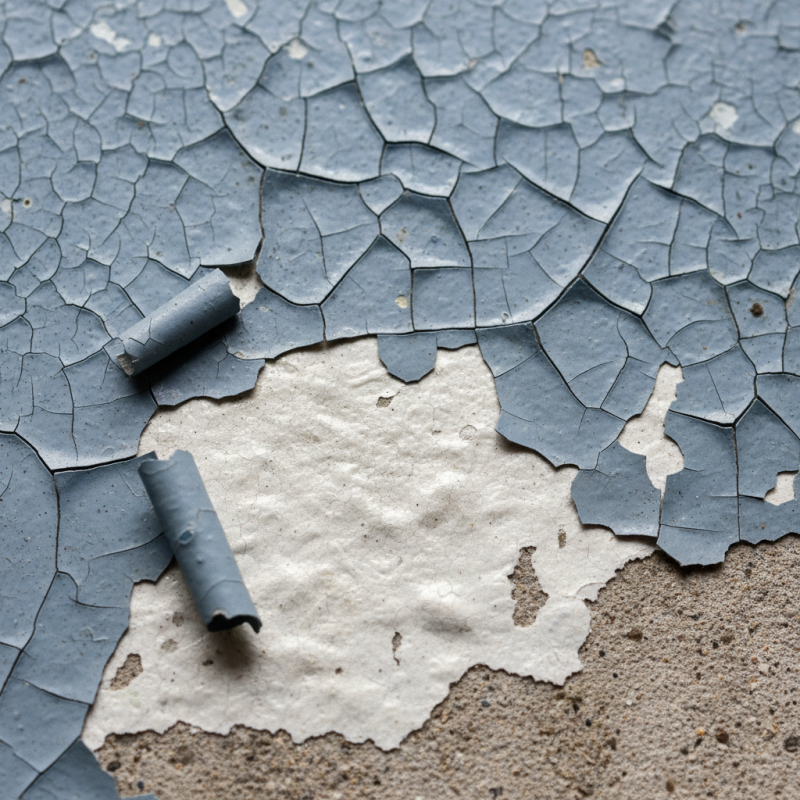
10 Essential Tips for Painting on Waterproof Membrane Successfully
When it comes to effectively painting on waterproof membranes, industry experts like John Anderson, a renowned specialist in membrane technology, emphasize the importance of proper technique and preparation. "A successful paint job on a waterproof membrane relies not just on the right materials, but also on understanding the unique characteristics of the membrane you're working with," Anderson states. This insight underlines the necessity for painters to equip themselves with knowledge about both the substrates and the paints suitable for such surfaces.
Painting on waterproof membranes can be a daunting task, but with the right approach and guidance, it can also be incredibly rewarding. The challenge lies in ensuring the paint adheres effectively while maintaining the integrity of the waterproofing. As more professionals venture into this niche area, it becomes crucial to familiarize oneself with the essentials that guarantee a durable and aesthetically pleasing finish. This article presents ten critical tips that will not only enhance your skills but also help you navigate the complexities of working with waterproof membranes. By integrating these strategies, painters can achieve remarkable results while ensuring longevity and performance in their projects.
Understanding Waterproof Membrane Properties Before Painting
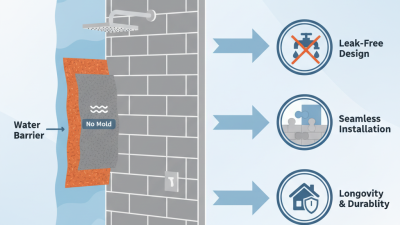
Understanding the properties of waterproof membranes is crucial before embarking on the painting process. Waterproof membranes are designed to create a barrier that prevents water from penetrating surfaces, which is essential in areas prone to moisture, like basements or rooftops. According to data from the American Society of Civil Engineers (ASCE), moisture intrusion is responsible for approximately 40% of serious building damage. Therefore, understanding the material properties of the membrane, such as its permeability, flexibility, and adhesion characteristics, can significantly influence the final aesthetic and functional performance of the paint application.
Moreover, the choice of paint is directly linked to the membrane's properties. For instance, the International Paint and Coatings Industry Association reports that selecting a paint formulated for high-moisture environments can enhance durability and longevity. It's critical to assess whether the membrane is made from polyvinyl chloride (PVC), ethylene propylene diene monomer (EPDM), or bituminous materials, as each has specific compatibility requirements with various paint types. Successful painting on waterproof membranes hinges on an understanding of these properties, ensuring the paint not only adheres well but also performs under fluctuating environmental conditions.
Selecting the Right Type of Paint for Waterproof Membranes
When painting on waterproof membranes, selecting the right type of paint is crucial to ensure durability and effectiveness. According to a report by the Global Coatings Market, the demand for coatings specifically designed for waterproof applications is expected to grow by approximately 5% annually over the next five years. This growth underscores the significance of using products tailored for such environments. Choosing a paint that is both compatible with the membrane material and resistant to water infiltration will enhance longevity and maintain the integrity of the underlying structure.
A key factor in selecting the appropriate paint is its chemical composition. Paints that contain 100% acrylic formulations are often recommended for waterproof membranes, as they provide excellent adhesion and flexibility. An industry study indicates that coatings with high levels of UV resistance can improve the lifespan of outdoor applications by up to 30%. Furthermore, it is vital to consider the membrane’s specific environmental conditions, such as exposure to sunlight, humidity, and temperature fluctuations. Opting for specialized paints that offer mildew resistance can further enhance performance in damp or humid settings, ensuring that the painted surface remains intact and visually appealing over time.
10 Essential Tips for Painting on Waterproof Membrane Successfully - Selecting the Right Type of Paint for Waterproof Membranes
| Tip Number |
Tip |
Recommended Paint Type |
Application Method |
| 1 |
Choose the right paint for outdoor use |
Acrylic latex paint |
Spray or brush application |
| 2 |
Ensure proper surface preparation |
N/A |
Clean and dry surface |
| 3 |
Opt for flexible paint |
Elastomeric coating |
Roller application |
| 4 |
Test paint adhesion |
N/A |
Adhesion test with tape |
| 5 |
Select mildew-resistant paint |
Mildew-resistant acrylic paint |
Brush or spray application |
| 6 |
Consider temperature during application |
N/A |
Ideal temperature range for application |
| 7 |
Follow manufacturer's instructions |
N/A |
Application techniques as per guidelines |
| 8 |
Allow proper curing time |
N/A |
Follow curing duration recommendations |
| 9 |
Use multiple coats for best results |
N/A |
Apply at least two coats |
| 10 |
Inspect the finished surface regularly |
N/A |
Check for signs of wear or damage |
Preparing the Surface for Optimal Adhesion and Finish
Proper surface preparation is crucial when painting on a waterproof membrane to ensure optimal adhesion and finish. According to the American Coatings Association, surface preparation accounts for approximately 70% of the success or failure of a paint job. This emphasizes the importance of cleaning the membrane thoroughly to remove any dirt, oils, or contaminants that could interfere with the adhesion of the paint. A recommended approach is to use a pressure washer to eliminate residual debris, followed by a gentle detergent wash. Ensuring the surface is completely dry before applying paint is vital, as moisture can lead to peeling or bubbling over time.
In addition to cleaning, it’s essential to assess the texture of the waterproof membrane. Research from the Paint Research Association has shown that a rougher surface can enhance mechanical adhesion, as the paint can “key” into the surface more effectively. For membranes that are too smooth, lightly sanding the surface can create the necessary texture to improve adhesion. Furthermore, applying a suitable primer that is compatible with both the membrane and the chosen paint can help to seal the surface and provide additional bonding strength, thereby extending the longevity of the paint finish. Proper preparation not only contributes to aesthetic appeal but also maximizes performance and durability in various environmental conditions.
Applying Paint: Techniques and Best Practices
When it comes to applying paint on waterproof membranes, proper techniques and adherence to best practices can significantly impact the long-term durability and performance of your project. One crucial technique is ensuring optimal surface preparation. According to a report by the Coatings Industry Association, nearly 75% of paint failures can be traced back to inadequate surface preparation. This involves cleaning the membrane thoroughly to remove any contaminants, such as dirt, dust, or oils, which could hinder paint adhesion.
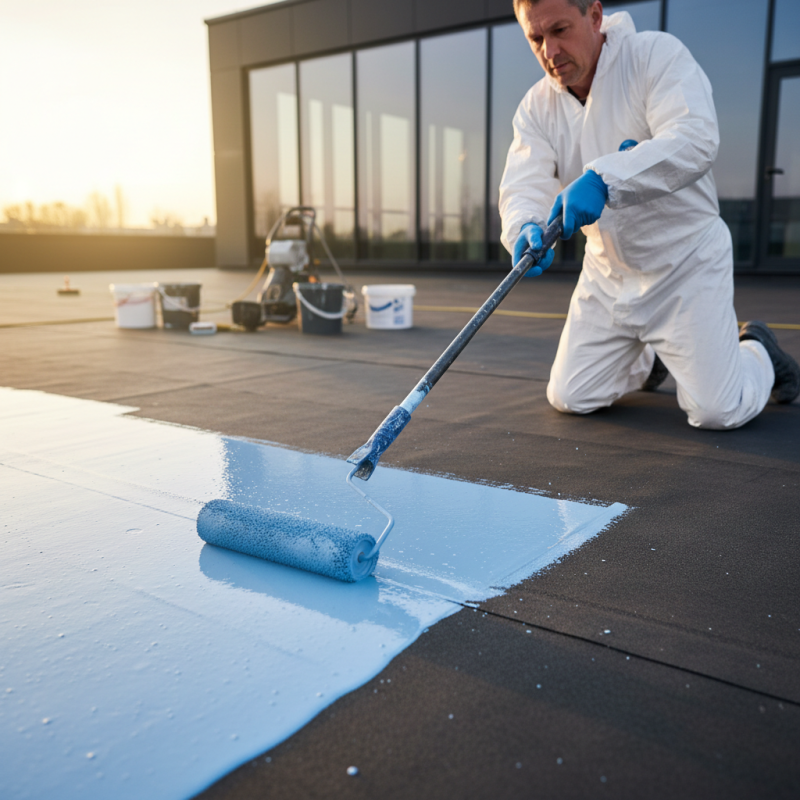
Furthermore, using the right type of paint specifically formulated for waterproof surfaces is vital. Research indicates that elastomeric paints are ideal choices for such applications, as they not only provide excellent adhesion but also allow for expansion and contraction due to temperature fluctuations. In fact, a study published in Architectural Paints Review revealed that coatings with high elasticity can reduce the risk of cracking from structural movements, which is particularly essential when painting on membranes that experience environmental stressors. Consistent application techniques, such as using a roller instead of a brush for larger areas, also help achieve a uniform finish, thereby enhancing the paint's protective qualities and longevity.
Curing and Maintenance of Painted Waterproof Membranes
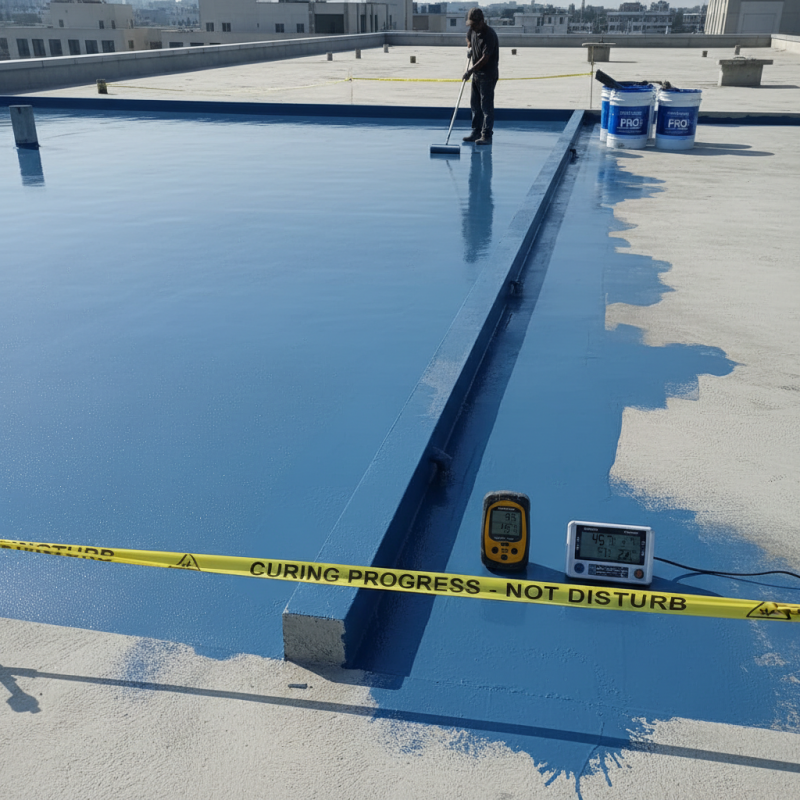
Curing and maintaining painted waterproof membranes is critical for ensuring their longevity and effectiveness. Proper curing can significantly influence the adhesion properties and overall performance of the membrane. According to industry reports, membranes that are allowed to cure adequately can achieve up to 30% stronger adhesion compared to those that are rushed in the process. This means the initial application, curing time, and environmental conditions all play vital roles in the durability and effectiveness of the waterproofing.
Once cured, the maintenance of painted waterproof membranes should not be overlooked. Regular inspections and maintenance can extend the life of the membrane significantly. The National Roofing Contractors Association (NRCA) recommends conducting inspections at least twice a year, typically in spring and fall, to identify potential issues such as peeling or cracking. Maintaining a clean surface by removing debris and contaminants can also enhance the membrane's durability. Studies indicate that membranes maintained properly can last up to 18 years or more, whereas those neglecting maintenance may require replacement within a decade. By understanding the importance of curing and routine upkeep, homeowners and contractors can ensure maximum performance from painted waterproof membranes.