10 Essential Tips for Choosing the Best Tile Waterproofing Membrane
Choosing the right tile waterproofing membrane is crucial for any construction project. Experts stress the importance of this decision. John Smith, a leading specialist in waterproofing solutions, once said, “A poor choice in waterproofing can lead to costly damage down the line.” This highlights the significance of understanding your options.
Consider the specific environment and conditions where the membrane will be installed. Not all membranes are created equal. You may face different challenges like humidity and temperature variations. These factors can greatly influence the effectiveness of the membrane you select. Take your time to evaluate the materials available and their specific properties.
Keep in mind that imperfections may arise during installation. Even the best products might not perform well if not applied correctly. Reflecting on past projects can help you avoid common pitfalls. Remember, the effectiveness of a tile waterproofing membrane can hinge on these details. Choosing wisely could save you from future headaches.
Understanding the Importance of Waterproofing Membranes in Tiling
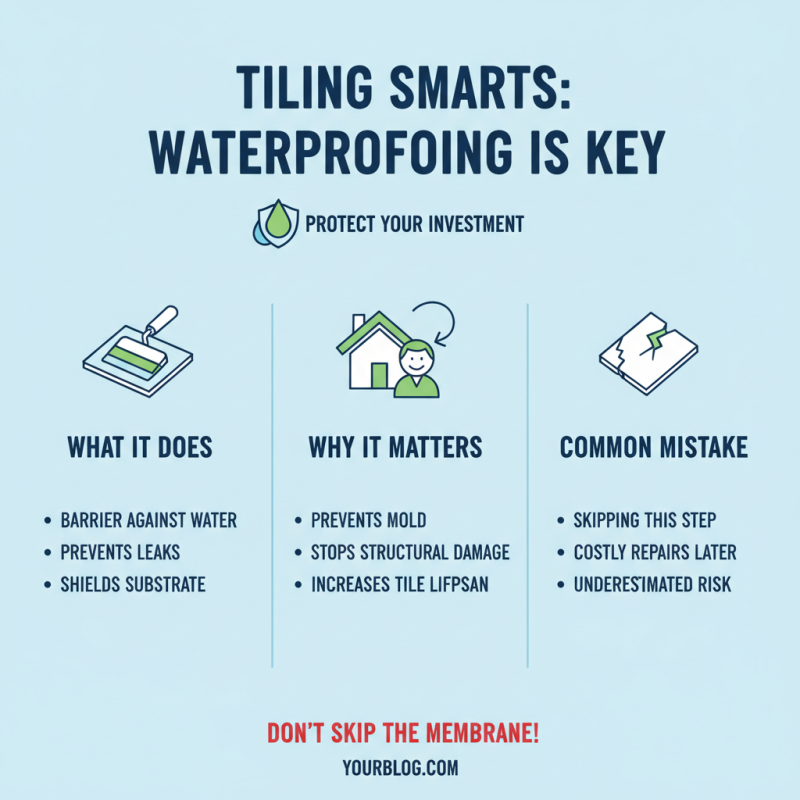
Waterproofing membranes play a crucial role in tiling projects. They act as a barrier, preventing water from penetrating the substrate. This protection is vital for maintaining the integrity and durability of tiled surfaces. Without proper waterproofing, moisture can cause damage. This leads to mold growth and structural issues. Homeowners often underestimate this step in their tiling process.
Choosing the right membrane is not always easy. Different options exist, each with unique features. Some are flexible, while others are rigid. Understanding the specific needs of your project is essential. For example, areas prone to heavy moisture, like bathrooms, may require different products than kitchen backsplashes. Poor waterproofing choices can lead to costly repairs and frustration.
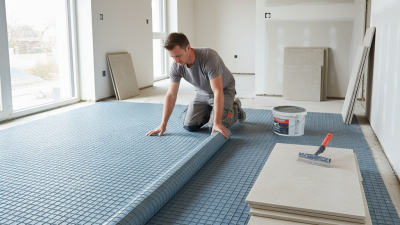
Consider the installation method as well. Some membranes are peel-and-stick, while others require more complex application techniques. Beginners might struggle with intricate products. It's common to make mistakes and learn through practice. Assess your skills honestly before starting. Waterproofing may seem like a minor aspect, but it significantly affects the overall success of your tiling project.
Identifying Different Types of Tile Waterproofing Membranes Available
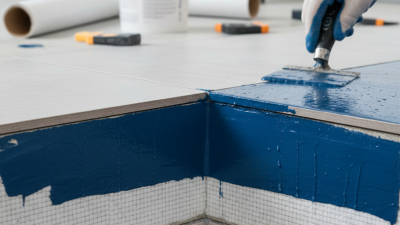
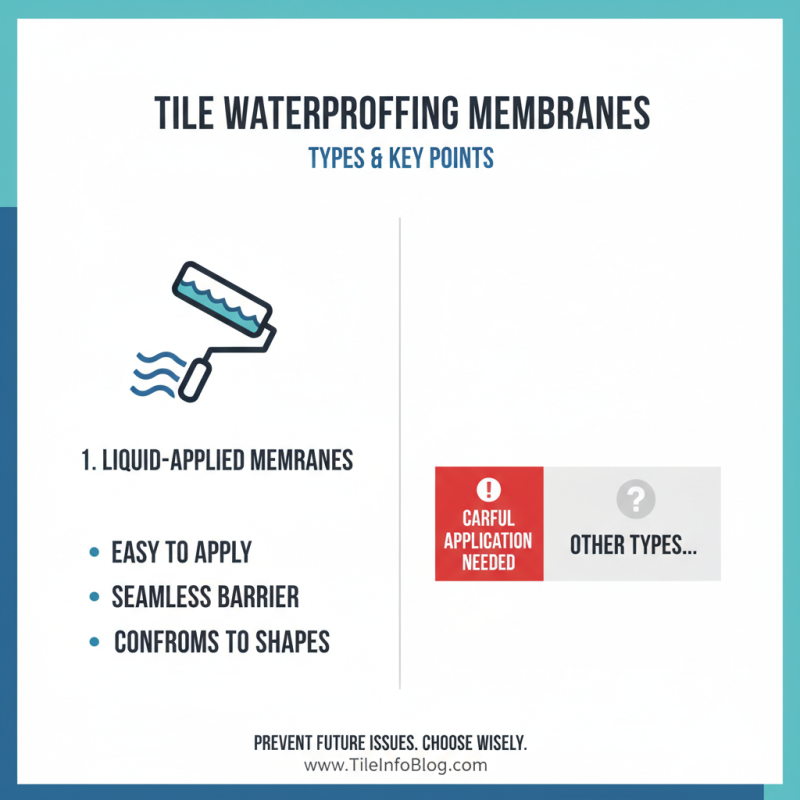
When it comes to tile waterproofing membranes, various types are available. Understanding these options can prevent future issues. One common choice is liquid membranes. These are easy to apply and can conform to different shapes. They create a seamless barrier, reducing the possibility of leaks. However, they require careful application to avoid missed spots.
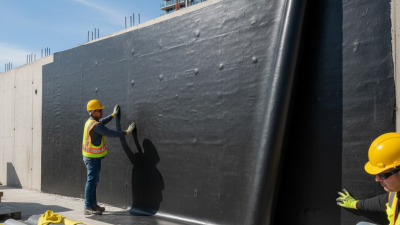
Another option is sheet membranes, which come in large rolls. These membranes can be easier to install for large areas. However, they need precise cutting and overlapping to ensure proper sealing. Gaps can lead to water damage, something to consider during installation. Additionally, there are cement-based membranes, which offer a robust solution. These are ideal for high-moisture areas, but their application can be complex and messy.
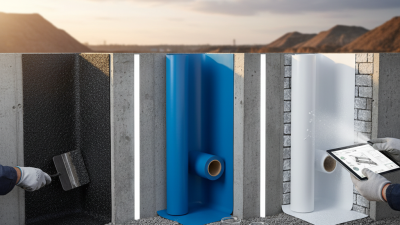
It’s crucial to evaluate each type based on your project needs. Think about the installation method and skill level required. Each membrane type has unique benefits and challenges. Knowing these can help you make an informed decision when choosing the best tile waterproofing solution.
Key Features to Look for in a Quality Waterproofing Membrane
When selecting a quality waterproofing membrane for tiles, consider its thickness. A thicker membrane often provides better durability. However, too thick can make installation challenging. Look for a balance that suits both your project and your skills.
Another key feature is adhesion. The best membranes bond well to different surfaces. Poor adhesion can lead to failures, causing water damage. Test adhesion if possible. Some membranes may look good but fall short when it counts.
Evaluate flexibility in your chosen membrane. A flexible membrane adapts to movement and stress, reducing the risk of cracks. However, not all flexible membranes perform the same. Some may stretch too much, inviting water to penetrate. Analyze each option thoroughly. Remember, a small oversight now can lead to bigger repairs later.
Assessing the Compatibility of Membranes with Tile Types
When selecting a waterproofing membrane, compatibility with tile types is crucial. Different tiles have unique properties that can affect the membrane's performance. For instance, ceramic tiles often require a different approach than natural stone tiles. The surface texture and porosity of each tile type can influence adhesion and longevity. It’s important to choose a membrane that complements these traits.
Testing compatibility is key. Apply the membrane to a small tile area first. This helps identify any issues like bubbling or peeling. Some membranes may not bond well with specific tiles. Pay attention to tiles with textured surfaces; they may need special adhesives to ensure a strong bond.
When considering membranes, examine their properties. Some options are better for wet areas, while others handle humidity well. Look for membranes designed for your tile type. This avoids potential problems down the line. Always consult guidelines for the best results. Remember, a good choice can save time and money.
Tips for Proper Installation and Maintenance of Waterproofing Systems
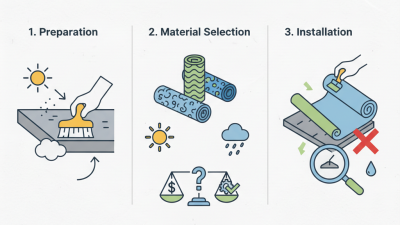
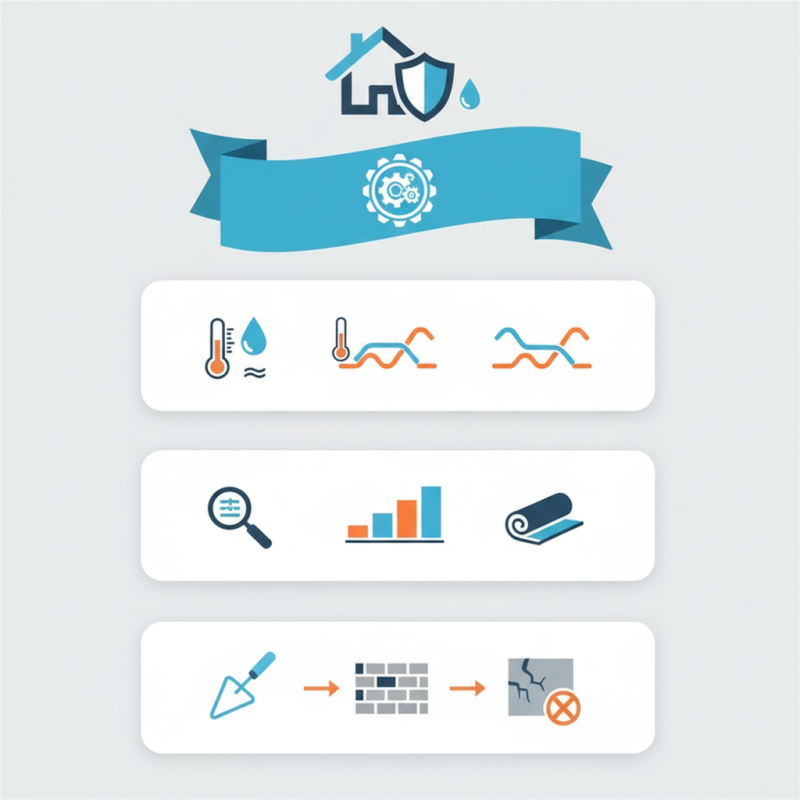
When it comes to installing a waterproofing system, proper preparation is crucial. Before applying the membrane, ensure the surface is clean. Dust, grease, or debris can hinder adhesion. Inspect the area for cracks or holes. These imperfections can lead to significant leaks later. Fill in any voids before starting the waterproofing process.
During installation, follow the manufacturer's guidelines carefully. Pay attention to details like temperature and humidity levels. These factors can affect the membrane's performance. When overlapping seams, apply enough pressure. This helps achieve a better seal. Use appropriate tools for smoothing out the membrane. Poor application can lead to future issues, such as bubbling or separation.
Post-installation maintenance is equally important. Regularly check for signs of wear and tear. Look for discoloration or irregularities. These can indicate moisture issues. Performing routine inspections can prevent costly repairs. Be proactive about addressing any concerns you find. Awareness and timely action can extend the life of your waterproofing system.