



A kitchen sink is more than a basin beneath a faucet. It shapes how you wash produce, rinse pans, and manage a busy countertop. The right Kitchen Sink can make daily tasks smoother; the wrong fit can leave little room for a stockpot or dish rack. Small details matter.
Architect Louis Sullivan’s design principle, “form follows function,” offers a useful lens for comparing sink styles. A top-mount sink rests on the counter and is often straightforward to install. An undermount model leaves the counter edge clear, making crumbs easier to sweep into the basin. Farmhouse sinks bring a deep bowl and exposed front, while integrated designs create a continuous surface with the countertop. Each choice has trade-offs. Countertop material, cabinet dimensions, plumbing location, and installation skill can affect what works in a particular home.
There is no single best type. Not really. A single-bowl sink can handle wide baking sheets, while a double-bowl model lets you separate washing from rinsing. Workstation sinks add ledges for accessories, but those parts need storage and cleaning too. Stainless steel is widely used and practical, though it can show water spots or scratches. Fireclay and composite options offer different looks and care needs. Even the faucet reach matters: a beautiful basin may feel awkward if water misses the drain.
This guide compares common sink types, materials, mounting methods, and everyday uses. It also points out details shoppers can overlook, such as bowl depth and cabinet clearance. Measure carefully. Your routine—not a showroom display—should guide the decision.
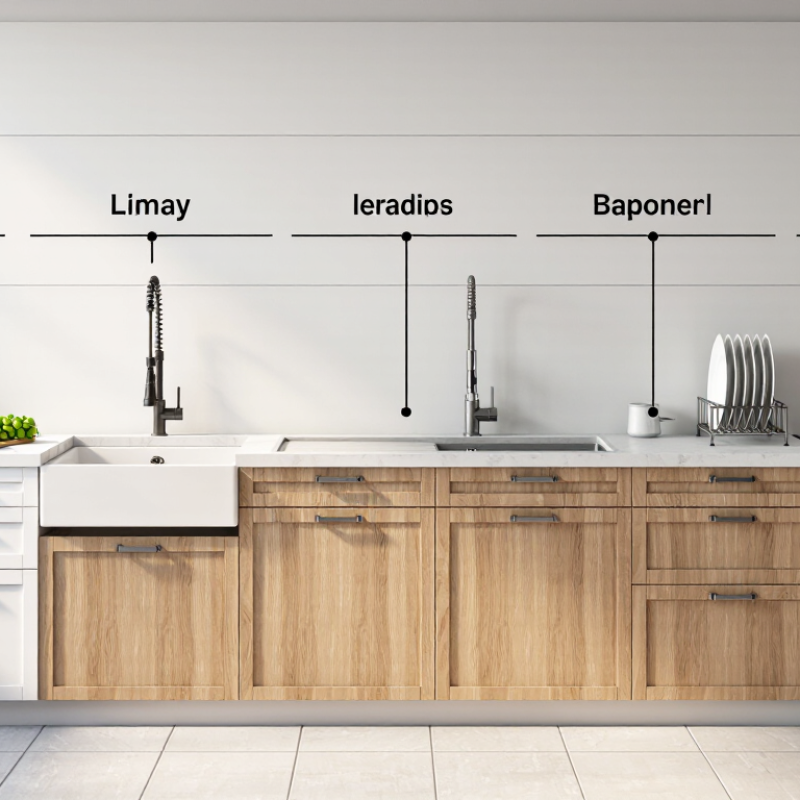
Kitchen Sinks are often classified by how they meet the countertop. A top-mount sink drops into a cutout, leaving its rim visible on the counter. That rim supports the sink and can make replacement simpler when the opening fits. It may also catch crumbs or moisture, so wipe around the edge during regular cleaning. A small detail, but noticeable.
An undermount sink attaches beneath the countertop, creating a flat surface for sweeping crumbs directly into the bowl. It usually needs a countertop material and installation suited to secure mounting and careful sealing. Check the exposed counter edge, too; water and cleaning products reach it often. The seamless look is appealing, though it is not automatically easier to maintain.
A farmhouse sink has a broad front apron that remains visible beyond the cabinets. Its deep bowl can handle large pots, but the cabinet may need adjustments and the sink needs sturdy support. Measure carefully. A full sink is heavy. The apron can also collect splashes, and the front may sit differently from cabinet doors. “Farmhouse” describes a style, not one exact installation method, so compare dimensions and mounting details before choosing. The best fit depends on the counter, cabinetry, and how you use the sink each day.



Copyright © CUSTOM Building Products 2025
Products | Resources | Interactive Tools | Warranties | Privacy Policy | Terms of Use | Technical Training
