
How to Choose the Right Tile Underlayment Membrane for Your Flooring Project

Choosing the right tile underlayment membrane is a crucial aspect of any flooring project, as it significantly impacts the longevity and performance of your tiles. According to industry expert Mark Thompson, a renowned flooring specialist, "The success of your tile installation hinges on the quality of your underlayment." This statement highlights the importance of selecting an appropriate membrane that not only provides a stable foundation but also addresses moisture mitigation and sound reduction concerns.

In today's market, a variety of tile underlayment membranes are available, each designed for specific applications and conditions. Understanding the characteristics of each option can be overwhelming; however, with the right guidance and knowledge, you can make an informed decision that suits your unique project needs. In this article, we will explore the essential factors to consider when choosing a tile underlayment membrane, ensuring that your flooring project stands the test of time while maintaining aesthetic appeal.

As we delve into this topic, keep in mind that the right tile underlayment membrane can prevent costly issues down the line, providing you with peace of mind and a beautifully finished floor. From understanding the different types of membranes to evaluating their installation requirements, our guide aims to equip you with the tools necessary to choose wisely and enhance your flooring project.
How to Choose the Right Tile Underlayment Membrane for Your Flooring Project

Understanding the Importance of Tile Underlayment Membrane

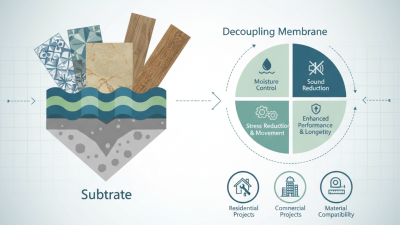
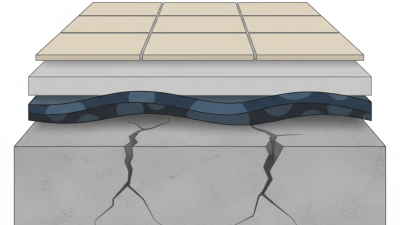
Tile underlayment membranes play a crucial role in the longevity and performance of tile flooring systems. These membranes act as a barrier between the subfloor and the tile, providing essential support that enhances stability and reduces the risk of cracking. According to the Tile Council of North America, utilizing an appropriate underlayment can increase the durability of tile installations by preventing movement and dampening sound, which is particularly beneficial in multi-story buildings where sound transmission can be an issue.

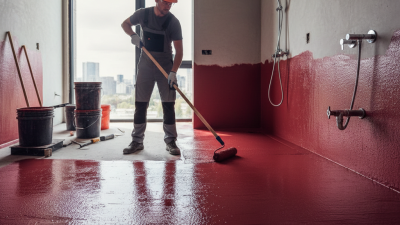
The importance of selecting the right underlayment is further emphasized by data from industry studies indicating that nearly 50% of tile failures are attributed to inadequate subfloor preparation, including improper underlayment materials. For instance, membranes that offer waterproofing properties can protect against moisture-related damage, which is critical in areas like kitchens and bathrooms. The National Tile Contractors Association reports that moisture management is paramount in the tile setting process, highlighting that incorporating an effective underlayment can significantly mitigate water infiltration, thereby extending the lifespan of the installation and maintaining its aesthetic qualities.

How to Choose the Right Tile Underlayment Membrane for Your Flooring Project

Feature Description Best For Cost per Square Foot
Foam Membrane Provides cushioning and sound reduction Residential Settings $0.50 - $1.00
Cement Backer Board Offers moisture resistance and support Wet Areas like Bathrooms $1.00 - $2.00
Uncoupling Membrane Helps prevent cracks due to substrate movement High Movement Areas $1.50 - $2.50
Foil Membrane Provides moisture and vapor barrier Basements $1.00 - $1.50

Types of Tile Underlayment Membranes Available in the Market

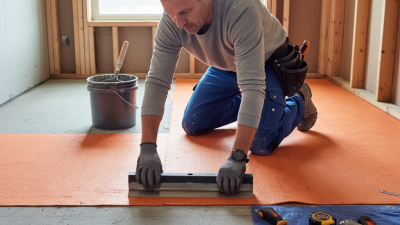
When selecting the right tile underlayment membrane for your flooring project, it's essential to understand the various types available in the market. Firstly, there are uncoupling membranes, which provide a separation layer between the substrate and the tile. This helps to reduce the stress transferred from the substrate to the tile, preventing cracks and ensuring a longer lifespan for the flooring. Uncoupling membranes are particularly beneficial in areas with significant movement or variations in substrate moisture.

Another popular option is cement backer board, which offers a sturdy base for tile installation. Unlike traditional plywood, cement backer board is resistant to moisture and mold, making it ideal for wet areas like bathrooms and kitchens. It provides excellent support for heavy tiles and enhances the overall durability of the flooring. Additionally, there are soundproofing membranes designed to minimize noise transfer between floors. These membranes are essential in multi-story buildings where noise reduction is a priority, ensuring a quieter living environment without compromising the aesthetics of the tile.

Each type of tile underlayment membrane has its specific advantages, and the choice largely depends on the specific needs of the project, such as the room's moisture level, the type of tile being installed, and the desired durability. Proper selection of the membrane not only contributes to the functionality but also impacts the overall performance of the flooring system.

Key Factors to Consider When Selecting a Tile Underlayment Membrane

When selecting a tile underlayment membrane, there are several key factors that should guide your decision. First and foremost, consider the purpose of the underlayment. If moisture protection is a primary concern, such as in basements or other high-humidity areas, look for membranes specifically designed to act as a moisture barrier. Conversely, if sound reduction is a priority, you’ll want to choose a membrane that provides soundproofing qualities to enhance comfort within living spaces.

Another critical aspect to evaluate is the compatibility of the underlayment with the type of tile you plan to install. Some membranes are better suited for ceramic or porcelain tiles, while others may be ideal for natural stone. Additionally, think about the type of subfloor you have, whether it is concrete, plywood, or another material, as this will affect the membrane's performance and installation. Finally, consider ease of installation; certain underlayments may offer features that simplify the process, helping you to achieve a successful flooring project with minimal hassle.

Installation Requirements for Different Tile Underlayment Membranes

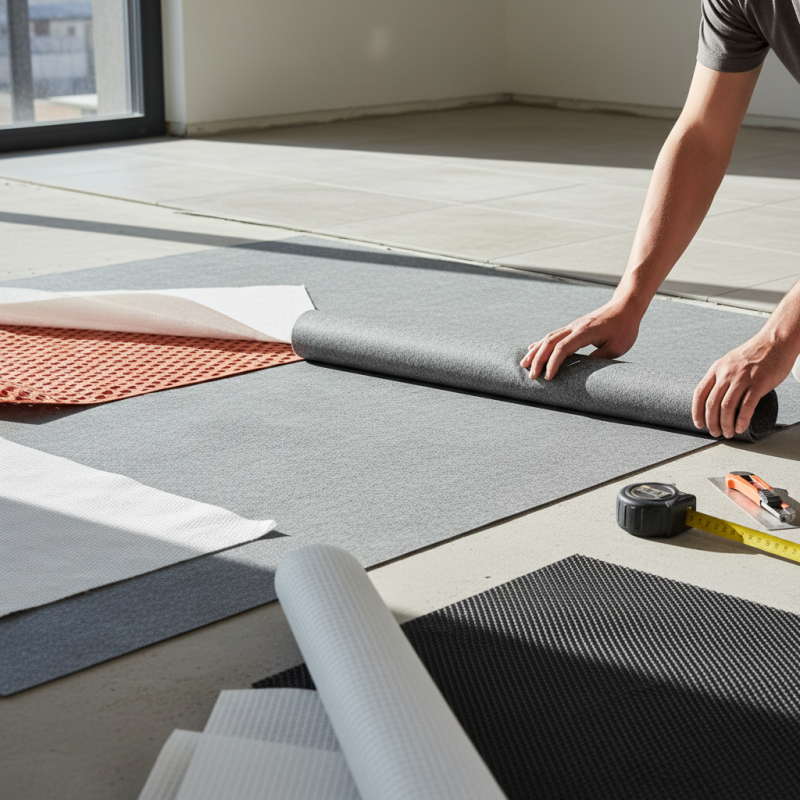
When selecting a tile underlayment membrane, it is essential to understand the installation requirements associated with different types of membranes. For example, uncoupling membranes are particularly favored for areas prone to movement, like wood subfloors, as they offer flexibility and help prevent cracks in the tile layer. According to the Tile Council of North America (TCNA), using an uncoupling membrane can significantly reduce the incidence of tile failures, as it accommodates lateral movement. Proper installation of uncoupling membranes typically involves a thin layer of thin-set mortar, ensuring complete contact with the substrate for optimal performance.

On the other hand, cement backer board membranes require a more robust installation process. They need to be secured to the subfloor with screws and thin-set mortar, creating a moisture-resistant barrier that is critical in wet areas like bathrooms and kitchens. The National Tile Contractors Association (NTCA) provides guidelines suggesting that these boards should be installed over a properly prepared subfloor with a specific emphasis on achieving a smooth, level surface to avoid uneven tile installation.

Additionally, membranes designed for sound and moisture control must be installed per strict guidelines, often incorporating special adhesives and necessitating additional assessments to ensure compliance with building codes. Understanding these differences is crucial for achieving the best performance and longevity from your tile flooring project.

Maintenance and Longevity of Tile Underlayment Membranes

How to Choose the Right Tile Underlayment Membrane for Your Flooring Project

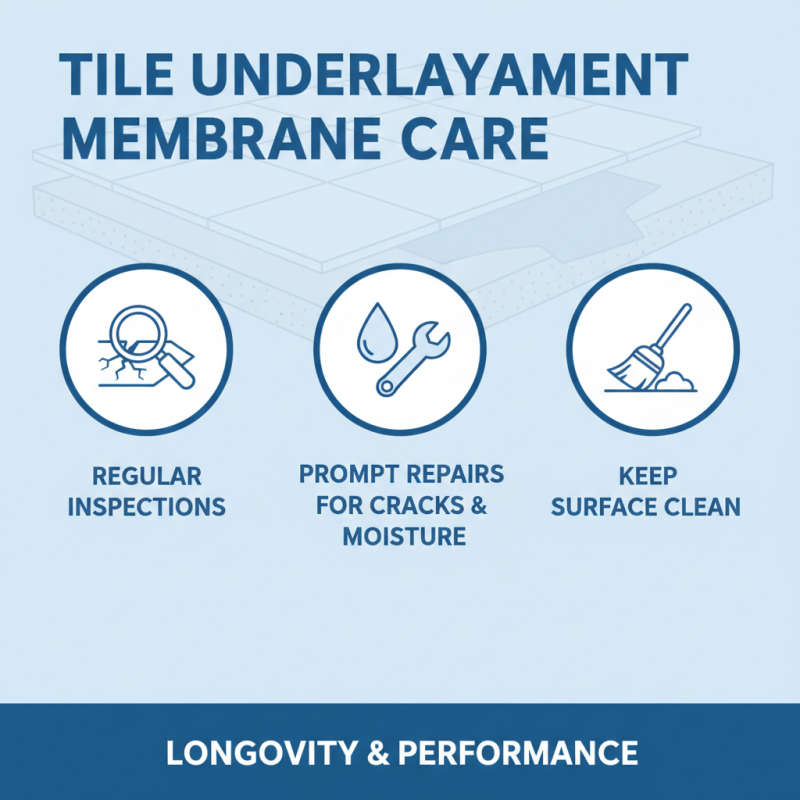
When it comes to tile underlayment membranes, maintenance is a key factor in ensuring their longevity and optimal performance. Regular inspections are essential to detect any signs of wear, such as cracks or moisture accumulation. Addressing these issues promptly can prevent further damage to the flooring above. Keeping the surface clean and free from debris not only helps in maintaining the membrane’s integrity but also enhances the overall aesthetic of your flooring.

Longevity of tile underlayment membranes is significantly influenced by the installation process and the choice of materials. Proper installation ensures that the membrane is adequately sealed and protected against moisture, which can lead to mold growth and deterioration over time. Additionally, selecting quality materials that are designed to withstand environmental stresses, such as temperature fluctuations and humidity, contributes to the membrane's lifespan. By prioritizing these maintenance practices and installation techniques, homeowners can enjoy a durable flooring system that stands the test of time.

Resources

Copyright © CUSTOM Building Products 2025
Products | Resources | Interactive Tools | Warranties | Privacy Policy | Terms of Use | Technical Training